

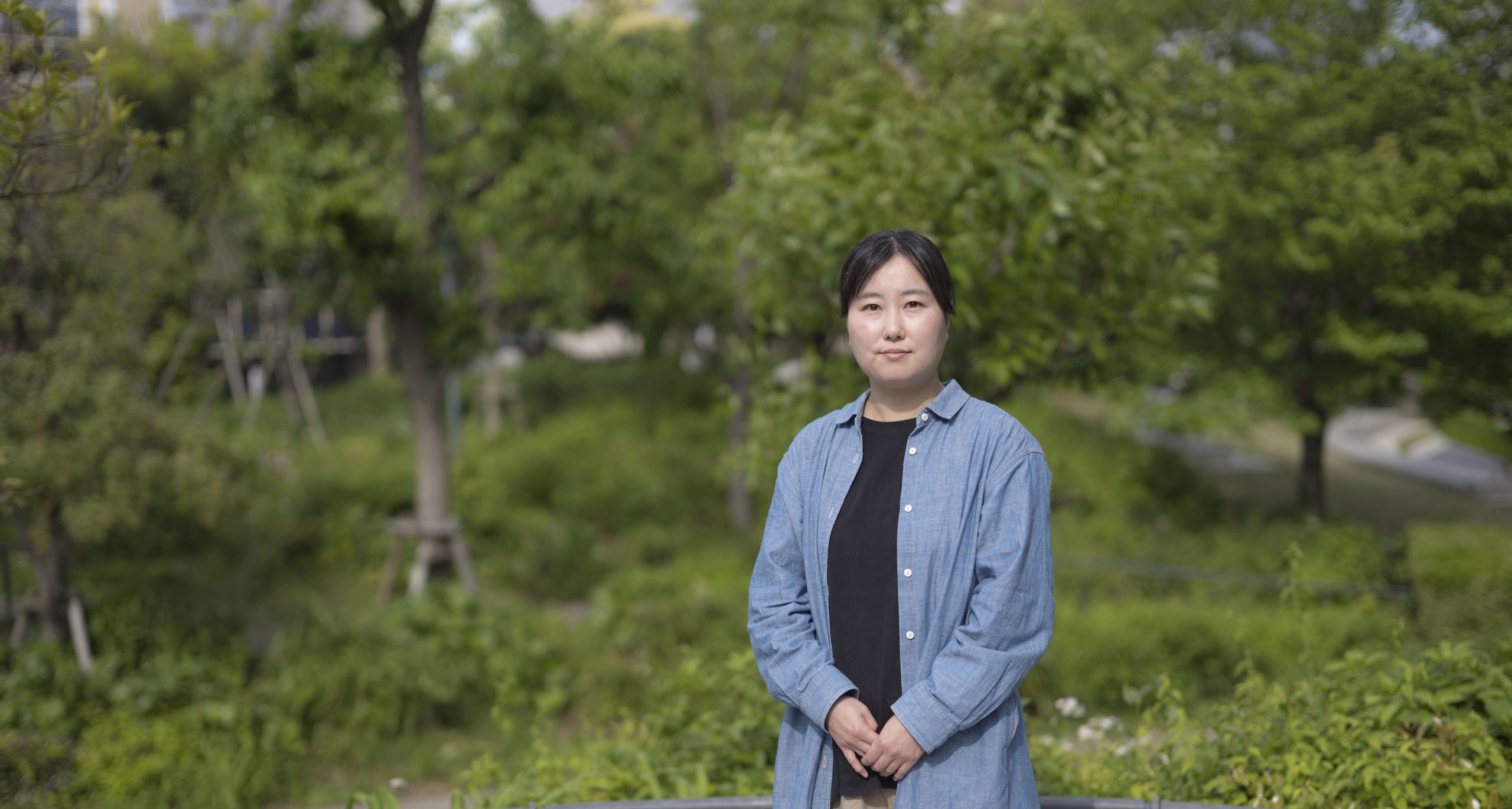
Mai Ishiguro
Mai Ishiguro: A Unique Take on Colloquial Drama by a Groundbreaking Late Bloomer
Photo: Atsuharu Ino
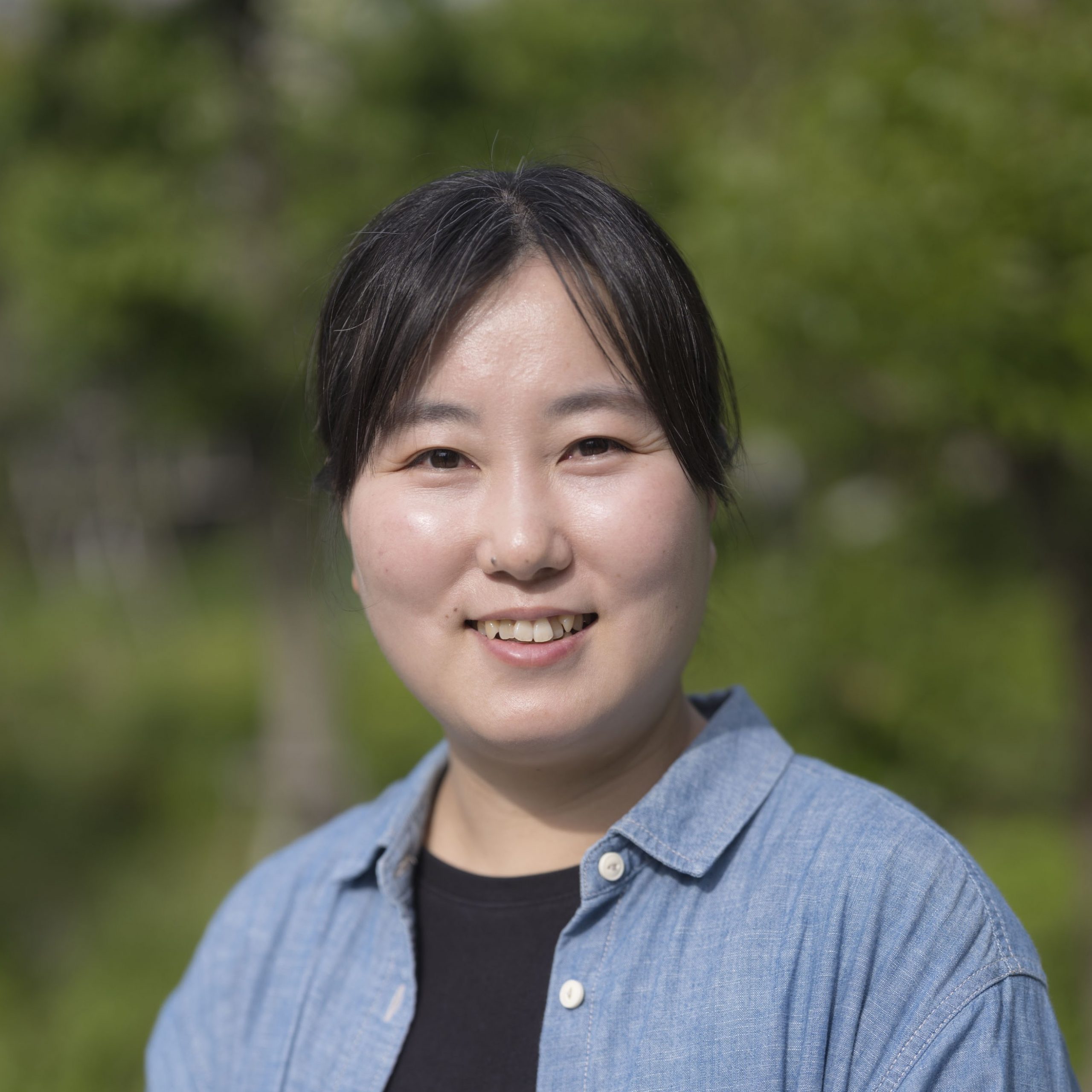
Photo: Atsuharu Ino
Mai Ishiguro
Born in Ibaraki prefecture, Mai Ishiguro is a playwright, director, actor, and founder of Gekidan-Futsu. After graduating from university, Ishiguro worked as a programmer while attending theater school, and in 2013 founded Gekidan-Futsu in order to stage her own plays. While weaving together different activities, including joint performances with other theater troupes, and providing scripts, direction, and acting for external troupes, she continues to hone her skills in pursuit of her own unique acting style and worldview. In 2025, Ishiguro received the Award for Outstanding Director for Secret and KISETSU-seasons- at the 33rd Yomiuri Theater Awards, and in 2026, KISETSU-seasons- was selected as a finalist for the 70th Kishida Kunio Drama Award. In addition to her own work, Ishiguro has a number of commissioned writing and directing projects planned, with considerable attention being paid towards her future activities.
Although this description may not be fitting since she founded her theater company in 2013, Mai Ishiguro has an aura of a groundbreaking late bloomer. The defining characteristic of Gekidan-Futsu, which she leads, is that the Ibaraki dialect from her hometown prefecture (located approximately 100 kilometers northeast of Tokyo with a population of about 2.8 million) is used throughout. At first, the minutiae of daily life narrated with a rugged intonation invites laughter, but through their repetition, the audience senses a perspective that quietly denounces the claustrophobic atmosphere that plagues Japan and the larger world. Amid long hours at the office desk, Ishiguro encountered theater as a working adult in search of a way to get some physical exercise. Drawing on her copious reading during childhood, she quickly developed a unique style without the aid of established source material. Given her 70th Kishida Kunio Drama Award nomination for her work as a playwright for KISETSU-seasons-, and the critical acclaim for her directorial efforts, the theater world is hotly anticipating Mai Ishiguro’s forthcoming work.
Interview and text by Kyoko Tokunaga
English Translation: Hibiki Mizuno, Keith Spencer (Art Translators Collective)
Soon enough, being a high schooler and all that, I was seeking some kind of stimulation and I sought that out through reading. That being said, it wasn’t that I was searching for really intense material, but rather that I was seeking new ideas and ways of thinking. And in that process I became obsessed with Dostoevsky’s The Brothers Karamazov. It was split into three thick paperback books and I almost gave up so many times because I couldn’t remember the names of all the characters, but still I kept reading it.
I chose to major in philosophy because I wanted to gain a deeper understanding of The Brothers Karamazov. I read somewhere that I had to understand Heidegger’s Being and Time in order to fully grasp The Brothers Karamazov, so I decided to focus on Western philosophy. In reality, though, I became more interested in a contemporary philosophy within that focus that was closer to the fields of linguistics and natural sciences, so I ultimately chose linguistic philosophy for my thesis and ended up writing about Willard van Orman Quine.
The company placed me in the software development team based on an idea that was gaining popularity at the time of incorporating humanities majors into software development. Everybody around me was a STEM major, and I had to teach myself programming from scratch after landing the job. Although I really struggled with it, it was also interesting.
And then you finally encountered the world of theater. I heard that you started attending a theater school as a kind of after-work hobby.
In all the reading of different essays that I did, I always found the writings of Koki Mitani and Suzuki Matsuo really interesting, so I had this vague idea that theater would be interesting, too.
The first theater school that came up in my search was one in Ueno. It was open to anyone, students and working adults alike, and I appreciated how the website was upfront in saying that they weren’t going to teach anything that would help you become a successful actor or anything, so I signed up for it.
I was thrown into a reading in my first class, and we also did some gestural word chains and other physical games, all of which I really enjoyed. It was a very relaxed school where you could come whenever you wanted and participation in performances wasn’t mandatory. Although they didn’t teach anything theoretical either, what was most memorable was how they were strict when it came to people trying to make something interesting or do something well.
When somebody would be acting and I would be watching, thinking they were doing a really good job, the teacher would say something like, “It’s not working because you’re thinking about how good of a job you’re doing. That’s a nonstarter.” I’m really grateful that they taught me how it’s more important that your heart is in the work, that you’re really having fun, rather than being nominally proficient at a bunch of different things. I kept attending classes there and played a few roles in Shoji Kokami’s Snufkin’s Letter for my first workshop performance.
I also think that even though I was trying to improve my acting, the fact that the school was closed off, in a good way, and not competitive worked in my favor so that all I had to focus on was reaching a level of acting that felt satisfying for myself. I would go to the school, say hi to everyone, and then just focus on exploring my own world. I was never compared to anyone else, which I think was a really good aspect. If I had been exposed to any kind of competition at the start, I think I would’ve given up right away.
That’s why I didn’t have this ambition to go out into the world and gain approval. Toward the end of my time at the school, I spent about two years just repeating a few pages of Shogo Ota’s play, 1 which was initially assigned in class, instead of participating in any workshop performances, just because it was fun for me.
-
Shogo Ota
Shogo Ota (1939-2007) was a playwright and director who, along with Shuji Terayama and Juro Kara, led the contemporary Japanese theater scene from the 60s to the early 2000s. As seen in The Water Station, one of his major works, he established a style of theater known as “silent play,” which eliminated all dialogue.
Also, and this may be hard to follow because the chronology is all mixed up, but it was right around that time that I came up with the idea for Hospital Room (premiered in 2019 and restaged in 2021 and 2024), and wrote a script about seven pages long that’s basically the same as the one for the actual performance. I couldn’t finish it at the time though, so I settled on writing a short novel of about a dozen pages or so, in order to not forget the plot development for myself. I was just trying to put something down on paper, and not particularly thinking about the end goal.
-
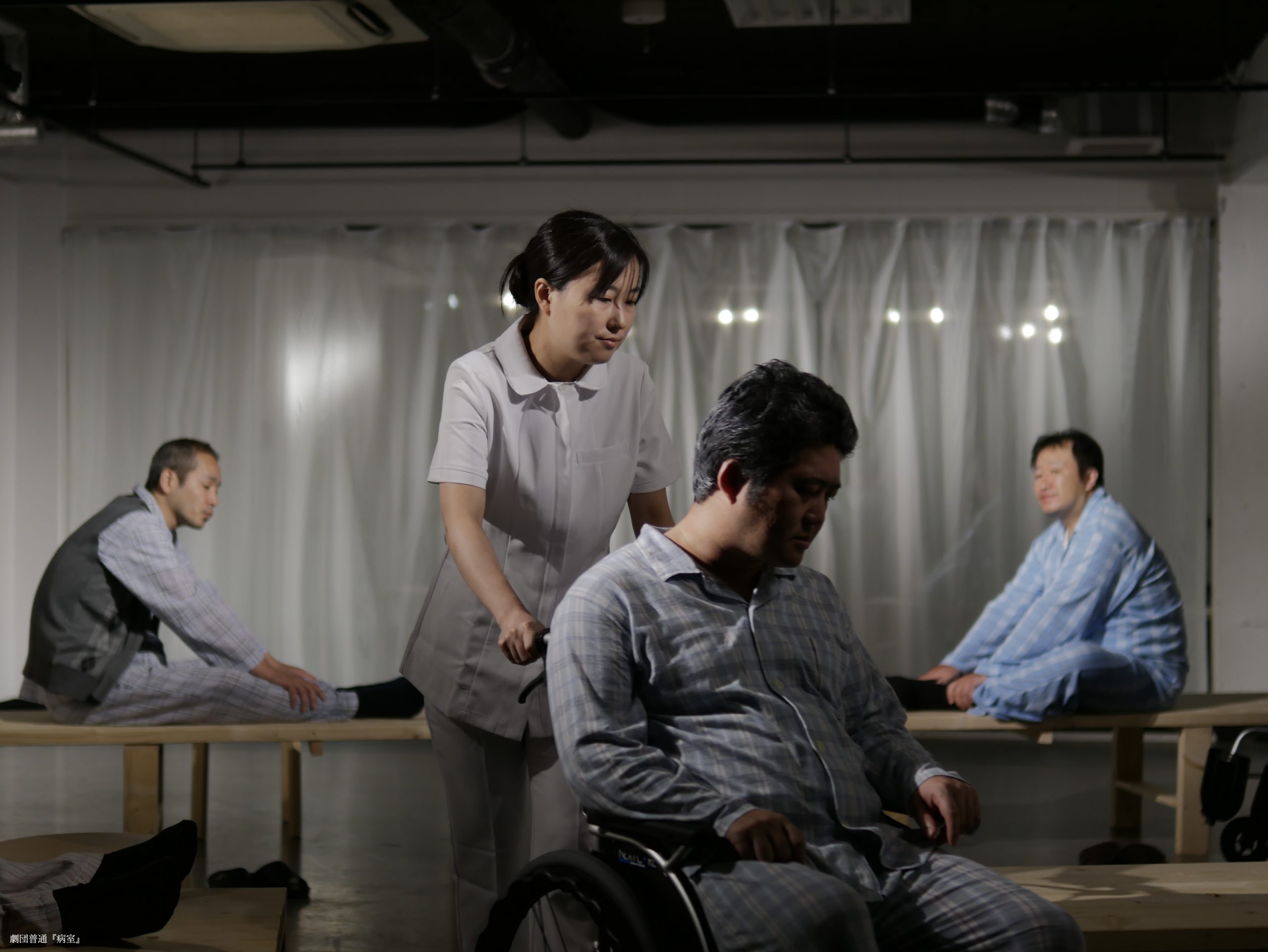
Hospital Room, premiere(2019) Mai Ishiguro, second from left Photo: Kenta Fukushima
-
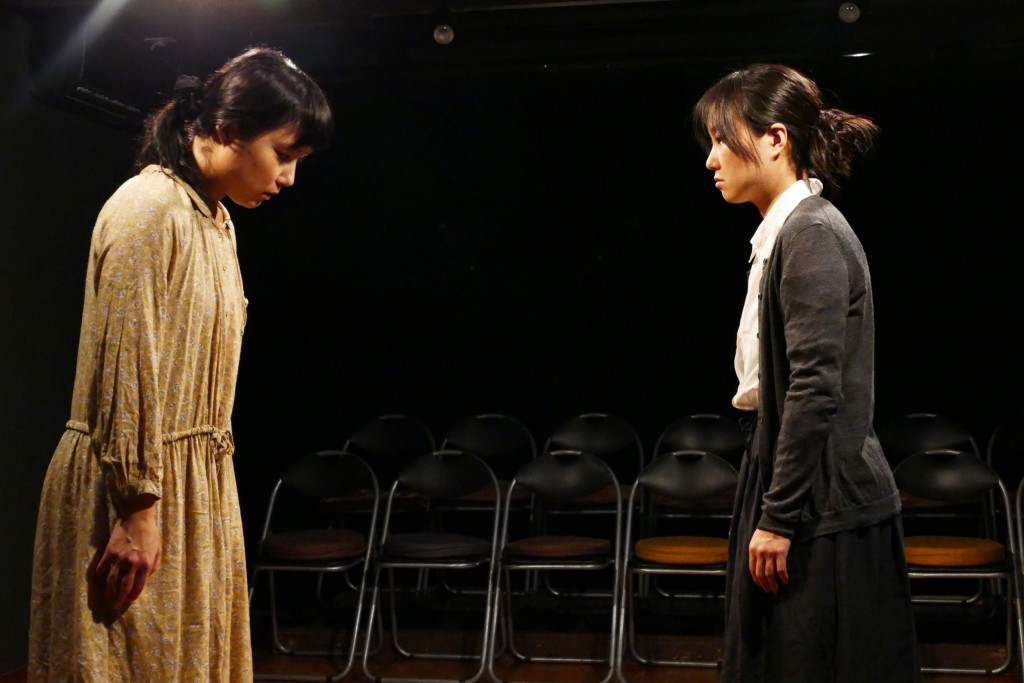
Sisters(2016) Miho Shimao(left)and Mai Ishiguro(right) Photo: Yukiharu Obi
Although I clearly wanted to write about something, I felt like I was still lacking the ability to do so, so I kept grappling with that question as we were doing our performances. I wanted to write something that had the realism I was trying to achieve with Hospital Room. Probably the main reason is because it’s incredibly difficult to share a theater piece based on realism with an audience and gauge to what extent the audience connects with that realism. Of course, information is something that only comes from the person speaking, so the question is how much you’re willing to incorporate that into the dialogue. Real-life conversation isn’t something that’s pre-planned: people misspeak, have trouble answering questions, don’t hear certain things, or intentionally ignore what someone else says. This means that people very rarely have complete conversations. I’ve constantly been researching, in my own way, how to weave these different elements together and turn them into realistic conversations that I can share with the audience.
Specifically, I put on three new plays in 2018 (Exchanging in January, Pest in May, and Castle in July) and I used a different approach for each one. I tried to make the dialogue in Exchanging as realistic as possible, so I cut as much information as possible. With Pest, I had the actors do improvisational exercises during rehearsals in order to produce realistic conversations and then I used that as the basis for the dialogue in the play. The third play, Castle, I wrote with the goal of making it engaging to read as a text, so I put a lot of emotion into the lines. There were a lot of different reactions from the audience, and I felt like I was beginning to understand things a bit better, so in 2019 I finally finished writing the script for the performance of Hospital Room.
-
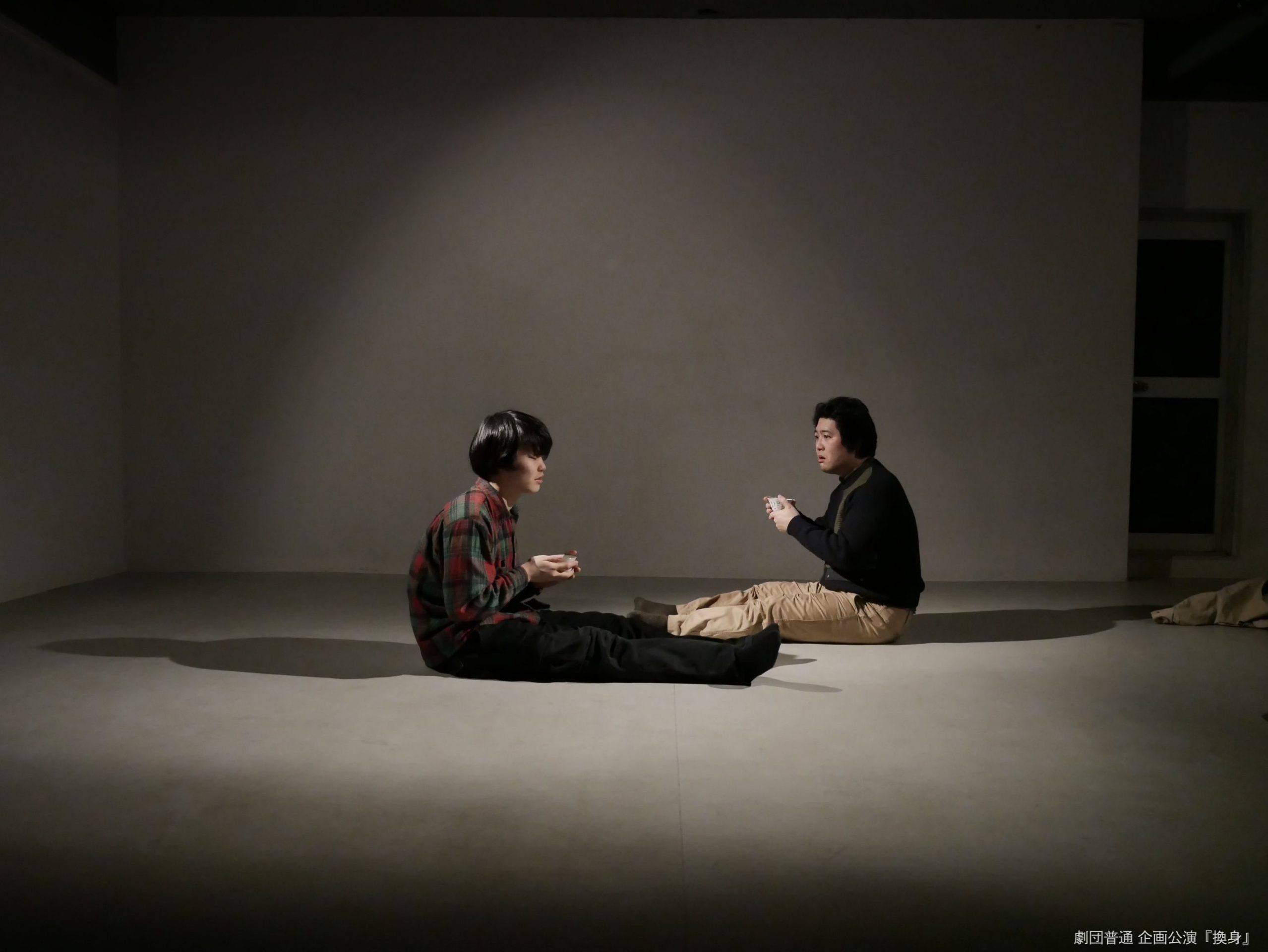
Exchanging(2018)
Photo: Kenta Fukushima -
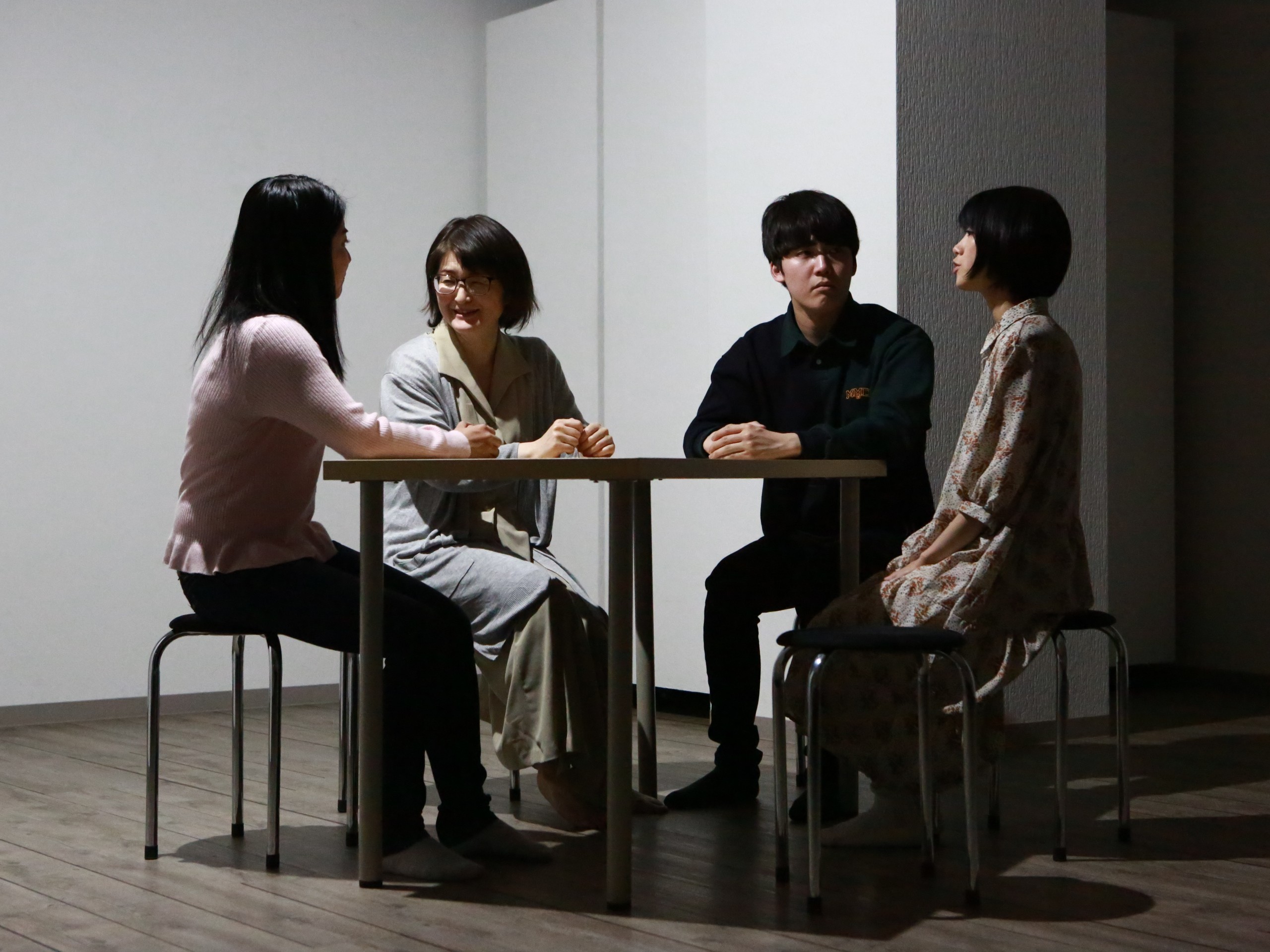
Pest(2018)
Photo: Moe Hosaka -
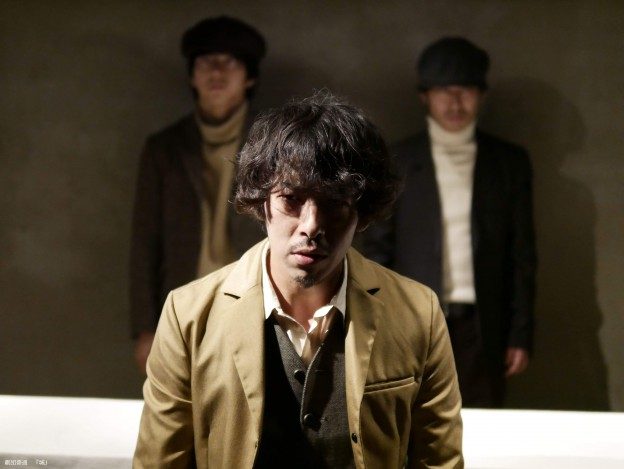
Castle(2018)
Photo: Kenta Fukushima
That’s right [laughs].
-
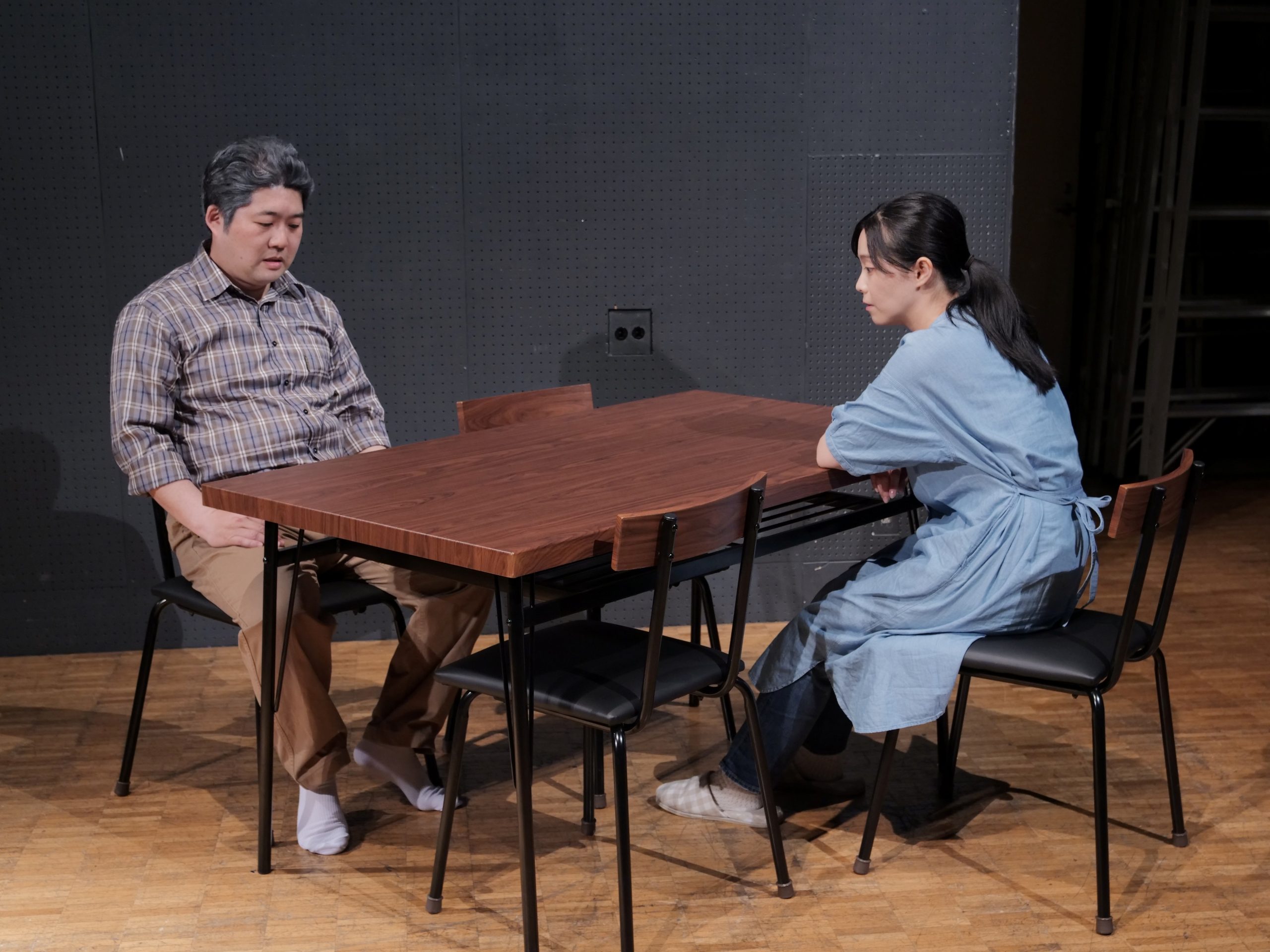
Secret, premiere(2022)
Photo: Kenta Fukushima -
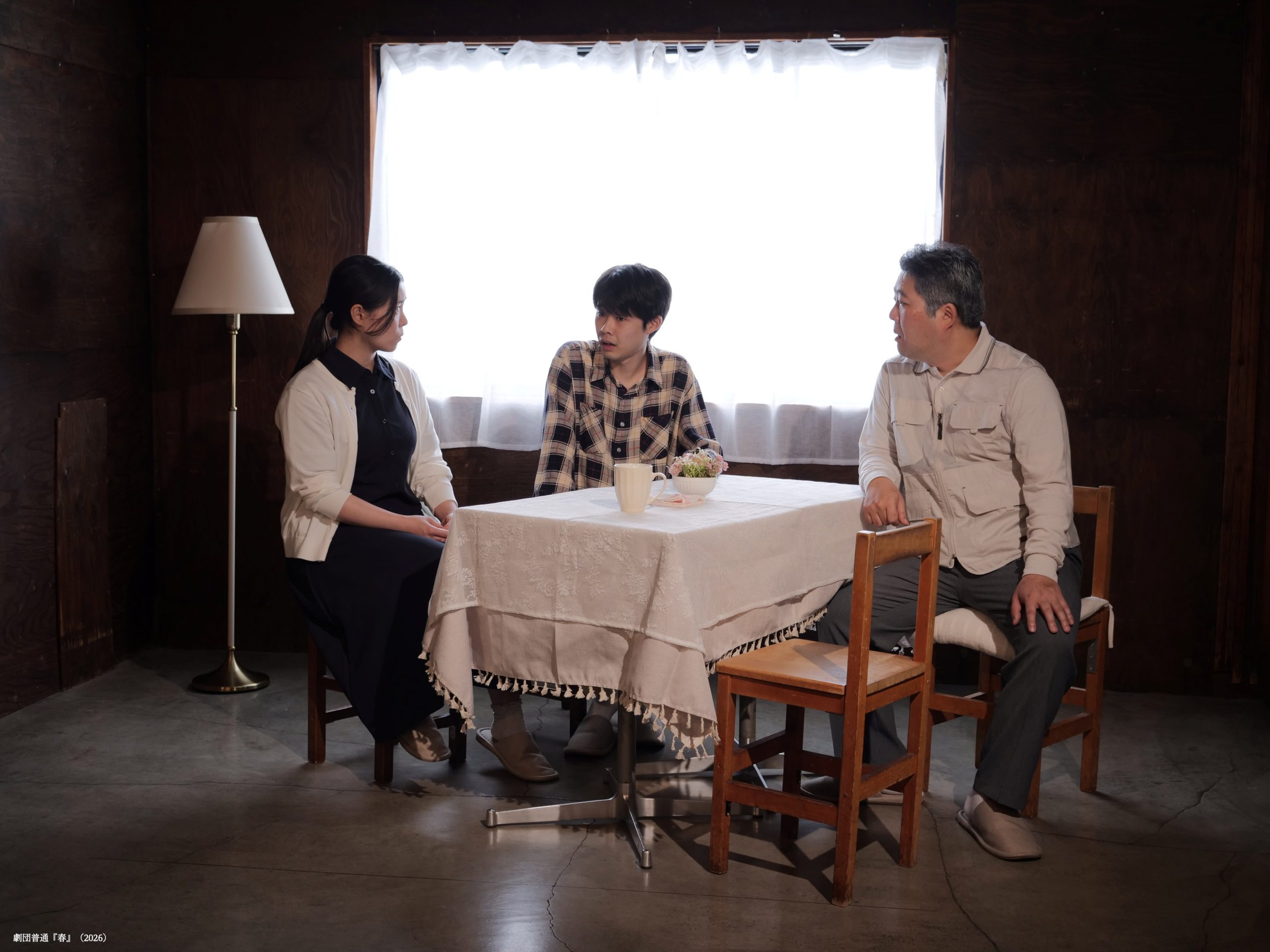
Spring, 2026
Photo: Kenta Fukushima
However, having written so many works in the Ibaraki dialect, I’m worried whether I’ll be able to write in standard Japanese. I’d like to make a work that’s written in standard Japanese, because I’ve actually lived in Tokyo for longer than I’ve lived in Ibaraki. One day, when all that time has accumulated within me and can naturally be expressed, I’d like to try writing in standard Japanese. When it comes to realism, it’s important to consider how real it actually feels to me.
The other day, I was able to realize a long-held dream of performing in Ibaraki (the 2026 KISETSU-seasons– performance at Mito Art Tower’s ACM Theatre). I was also able to visit Hyogo prefecture in the Kansai region for the first time to participate in the [2020] Toyooka Theater Festival, and the response there was tremendous. I was really happy because I’d been wondering how people in far off places would respond to a northern Kanto dialect, and it has made me want to visit more places with their own unique dialects, like Kyushu and Osaka. I’ve heard that Matsumoto in Nagano prefecture also has a thriving theater scene, so I’d like to go there as well. People often tell me how nice it would be if I could do these performances overseas, and recently I’ve been thinking a lot about how to express dialect. For example, how would these lines be translated if they were English subtitles?
-
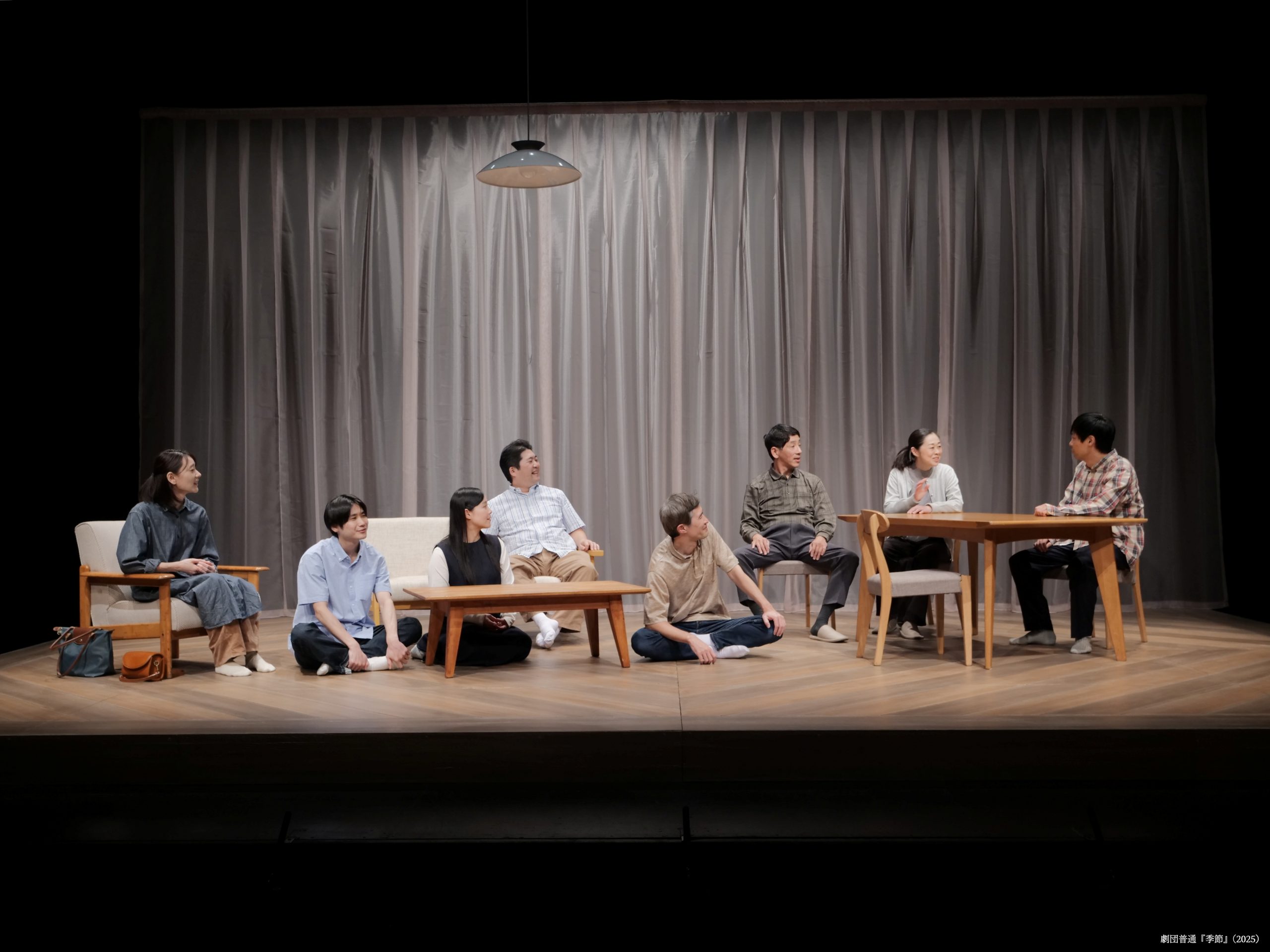
KISETSU-seasons- (2025) Photo: Kenta Fukushima
Given that the vast majority of people begin their acting careers when they’re still students, what are your thoughts on your own career as a late bloomer?
As with the regional performances I mentioned earlier, my world has gotten so much bigger because of theater, so my dream right now is to engage with lots of different regions and countries through this art form. I also want to get the word out to more young people that this is a viable option for them.
【Performance Information】
PARCO PRODUCE 2026 Le Mari de la coiffeuse
Based on the film Le Mari de la coiffeuse (Directed by Patrice Leconte, Screenplay by Patrice Leconte and Claude Klotz)
Stage adaption and direction by: Mai Ishiguro (Gekidan-Futsu)
Cast: Shota Yasuda, Eriko Nakamura, Tomomi Maruyama, Fusako Urabe, Jin Muraki, Ryo Yomatsu, Kosuke Asai, Kimio Taketani, Kyuichiro Nakayama, and Saori Kouzuki
Tokyo
September 28–October 25, 2026
New National Theatre, Tokyo – The Pit
Hiroshima
November 5–6, 2026
JMS Aster Plaza – Grand Hall
Osaka
November 12–20, 2026
Morinomiya Piloti Hall
-
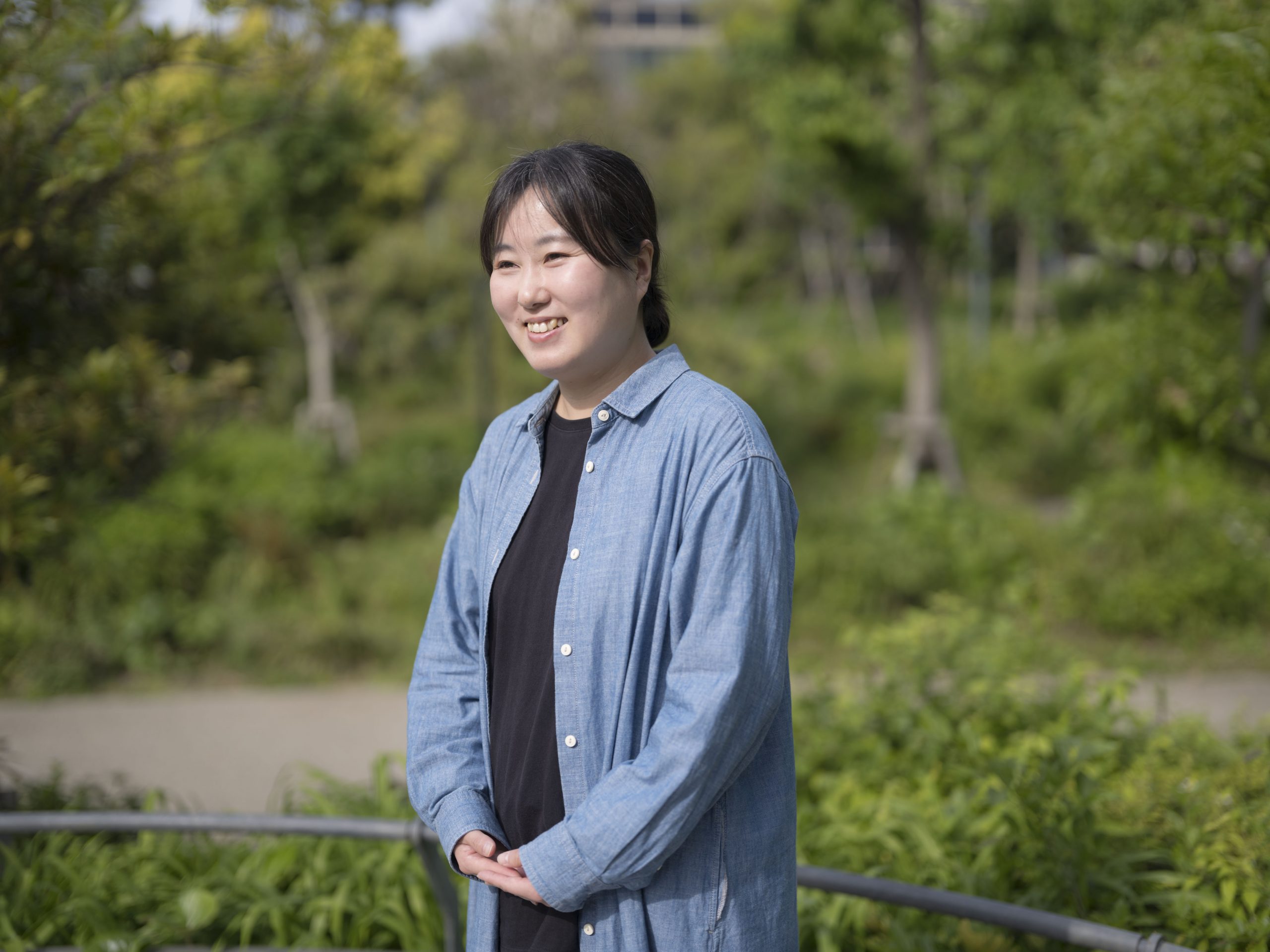
Photo: Atsuharu Ino