

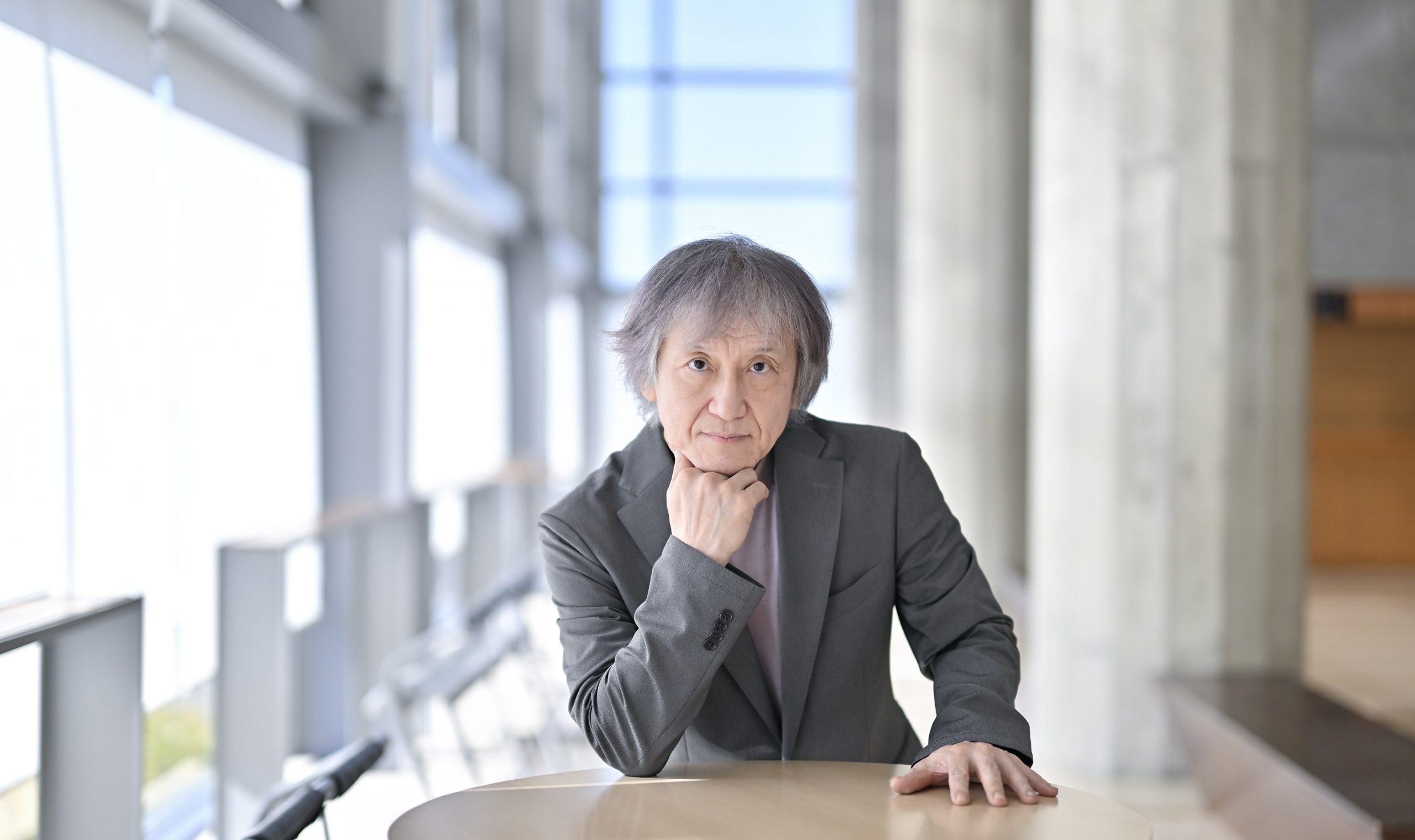
Kazushi Ono
Where Japan’s Opera Houses Stand Today
Photo: Akihito Abe
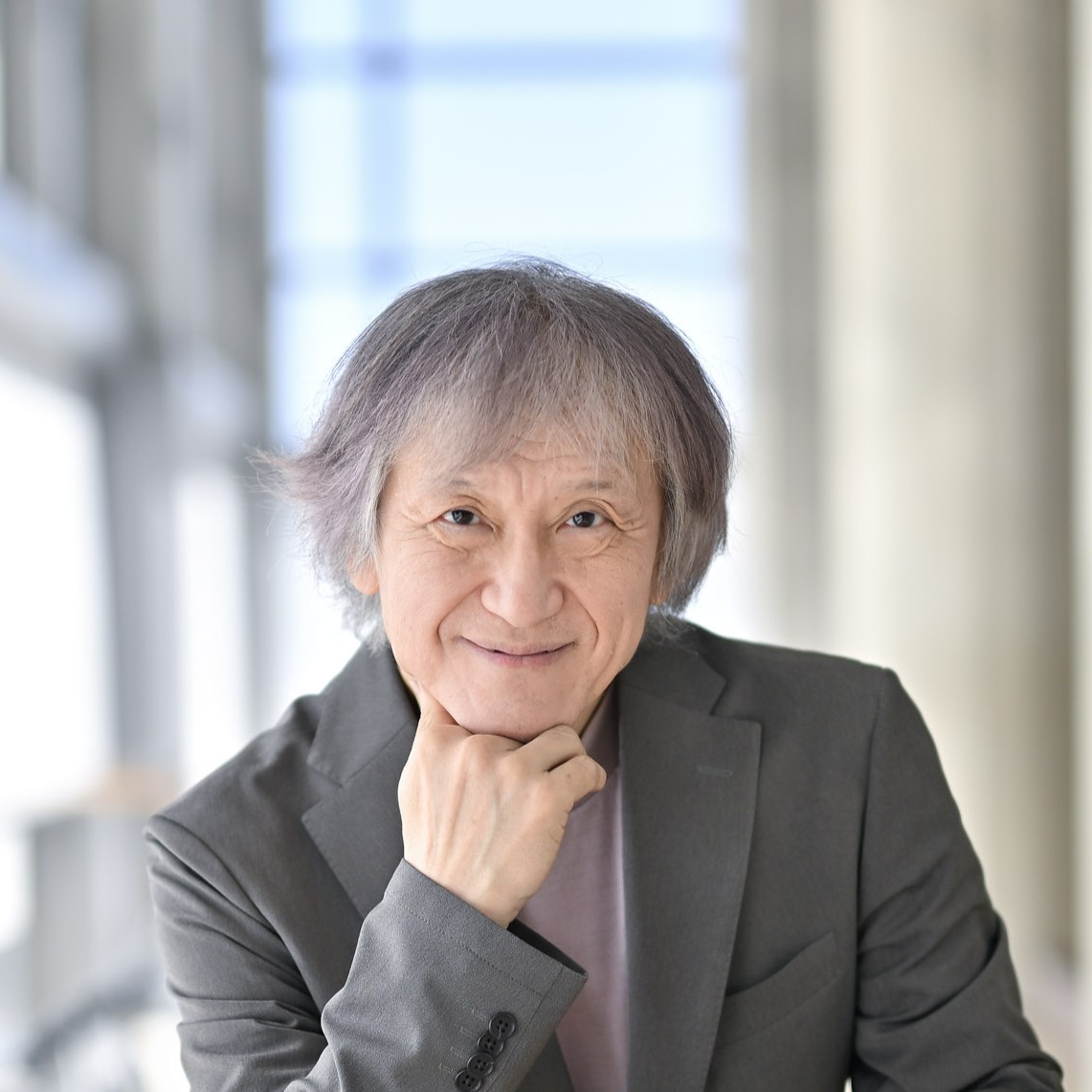
Photo: Akihito Abe
Kazushi Ono
Born in 1960 in Tokyo, and a graduate of Tokyo University of the Arts, Kazushi Ono is a conductor. He has served as music director of the Zagreb Philharmonic Orchestra, general music director at the Badisches Staatstheater Karlsruhe, music director of the Théâtre Royal de La Monnaie in Brussels, principal conductor at Opéra National de Lyon, music director at the Orquestra Simfònica de Barcelona i Nacional de Catalunya, and music director at the Tokyo Metropolitan Symphony Orchestra. He currently serves as Artistic Director of Opera at the New National Theatre, Tokyo (a post he has held since 2018), music director of the Brussels Philharmonic, and artistic advisor to the Tokyo Metropolitan Symphony Orchestra. Ono has conducted numerous operas at major opera houses and music festivals around the world and is acclaimed for his clear and vibrant musicality; he is particularly trusted with the premieres of new works. His many honors include the Japan Art Academy Prize, the Suntory Music Award, the Asahi Prize, and recognition as a Person of Cultural Merit.
Kazushi Ono is now in his third term as artistic director of opera at the New National Theatre, Tokyo, having first been appointed to the role in 2018. Drawing on the clear vision that comes from his proven experience working on opera at numerous opera houses at the forefront of Europe’s most adventurous programming, Ono established five clear objectives on taking the position—these include expanding the repertoire, creating new Japanese operas suitable for the world stage, and inviting sought-after directors and singers. With his outstanding international track record, extensive network, charming personality, and impressive drive, he has worked to raise the New National Theatre, Tokyo to the level of a world-class opera house. Here, Ono speaks about his introduction to opera, the achievements and challenges of his career to date, and the agenda for Japan’s national opera house as it moves into the future.
Text: Miho Morioka
English Translation: Ben Cagan, Hibiki Mizuno (Art Translators Collective)
Aspiring to become an opera conductor
It was hearing Beethoven’s Symphony No. 3, the Eroica, on a record my father bought me, and being struck by those two dramatic opening chords—Dum! Dum!—that made me want to become a conductor. I remember it as if it were yesterday.
When I went to Shonan Senior High School in Kanagawa Prefecture, I was there with Toshiyuki Kamioka,1 who was a year below me, and we both conducted the school choir. I think that being able to have that experience of choral music was extremely helpful for me in later years as an opera conductor.
After I started studying at Tokyo University of the Arts, I conducted Beethoven’s Symphony No. 2, and I still remember it today. I was so nervous that I couldn’t even time the first note right. The teacher told me to leave it there for the day, so it was over in a matter of ten minutes. That was the first experience that made me realize how hard it would be to become a professional.
Then, while I was playing piano for a Japanese opera company, and watching the foreign conductors, I decided that I wanted to hone my craft in opera at an international opera house abroad.
Patanè was a conductor who knew more than 200 operas by heart. He didn’t even bring the scores to rehearsals. For performances, there would only be a bouquet placed on the conductor’s podium. But the passion and emotion of Italian opera poured from his body.
That I was able to witness rehearsals and performances in Munich of the many masterpieces by Wagner and Richard Strauss for which Sawallisch is well known to many, and in particular all four works in Wagner’s Ring cycle remains a truly precious asset to me.



-
Toshiyuki Kamioka
Toshiyuki Kamioka is a conductor. Born in 1960. He has been predominantly active at German opera houses, with experience as general music director at the Wuppertal Symphony Orchestra and the Saarländisches Staatstheater.
Eight years at the New National Theatre, Tokyo
As we approach the middle of the 21st century, if we look back from where we are now to the music of 100 years ago, and again from there to 100 years before that, there comes a breadth of perspective that allows a better appreciation of the respective merits of each period. In that sense, I try not to pick out a single work and consider the job done, but rather to see the connected history of opera, and the fact that a given piece exists because of what preceded it.
Additionally, while 20th-century operas such as Britten’s A Midsummer Night’s Dream and Peter Grimes, or Berg’s Wozzeck, may not yet be considered hugely popular operas, I still think that it is essential for people to experience many of these works in a greater depth.
-
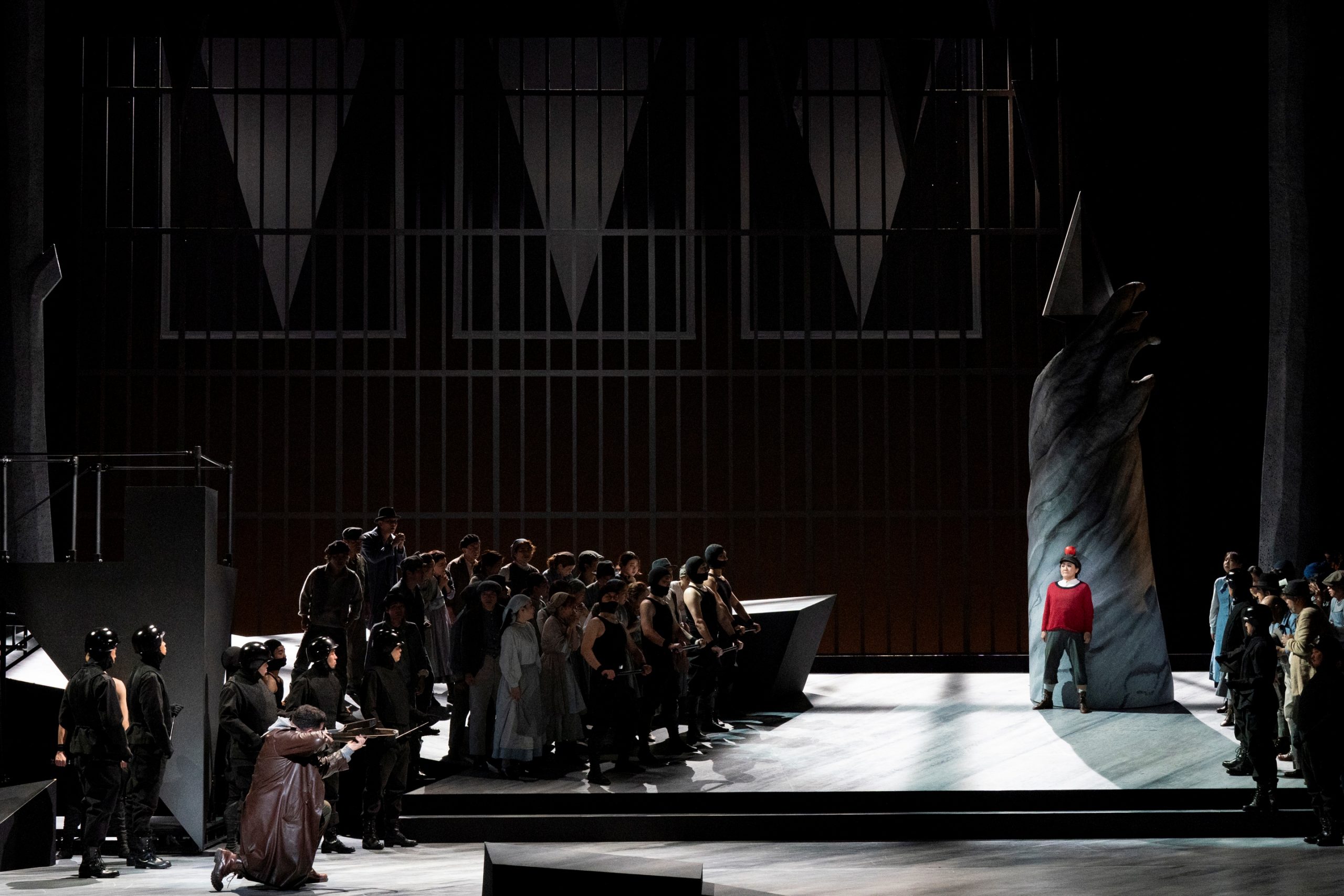
Guillaume Tell, 2024. Photo: Rikimaru Hotta
We also continue to bring in young German conductors to conduct important works from the German repertoire. Constantin Trinks is now a regular at the Bayerische Staatsoper and much in demand everywhere, but we have been able to regularly invite him to work at the New National Theatre, Tokyo: for Don Giovanni in 2008, La Bohème in 2012, Tannhäuser in 2013, Le Nozze di Figaro in 2017, and Salome in 2023. In terms of the next generation of conductors, we’ve been following the work of Patrick Hahn. We invited him to conduct Die Fledermaus in 2023, and he will rejoin us for Der Rosenkavalier in 2027. Constantin Trinks and Patrick Hahn are both sure to be recognized as part of the lineage of Germany’s world-class conductors.
I’d worked with William Kentridge on The Nose in Lyon in 2011, and I thought it was so amusing to see the nose flying around the space and getting up to mischief that I was very keen for him to direct something at the New National Theatre, Tokyo, so I invited him to work with us on Die Zauberflöte.
I worked with Mariusz Treliński on The Fiery Angel (2018) in his native Poland and at the Festival d’Aix-en-Provence. As a director, he always conveyed a sense of originality. I thought that he would shape a dynamic Boris Godunov, where the tremors that come from within Boris himself naturally reverberate through the various spaces of the stage.
-
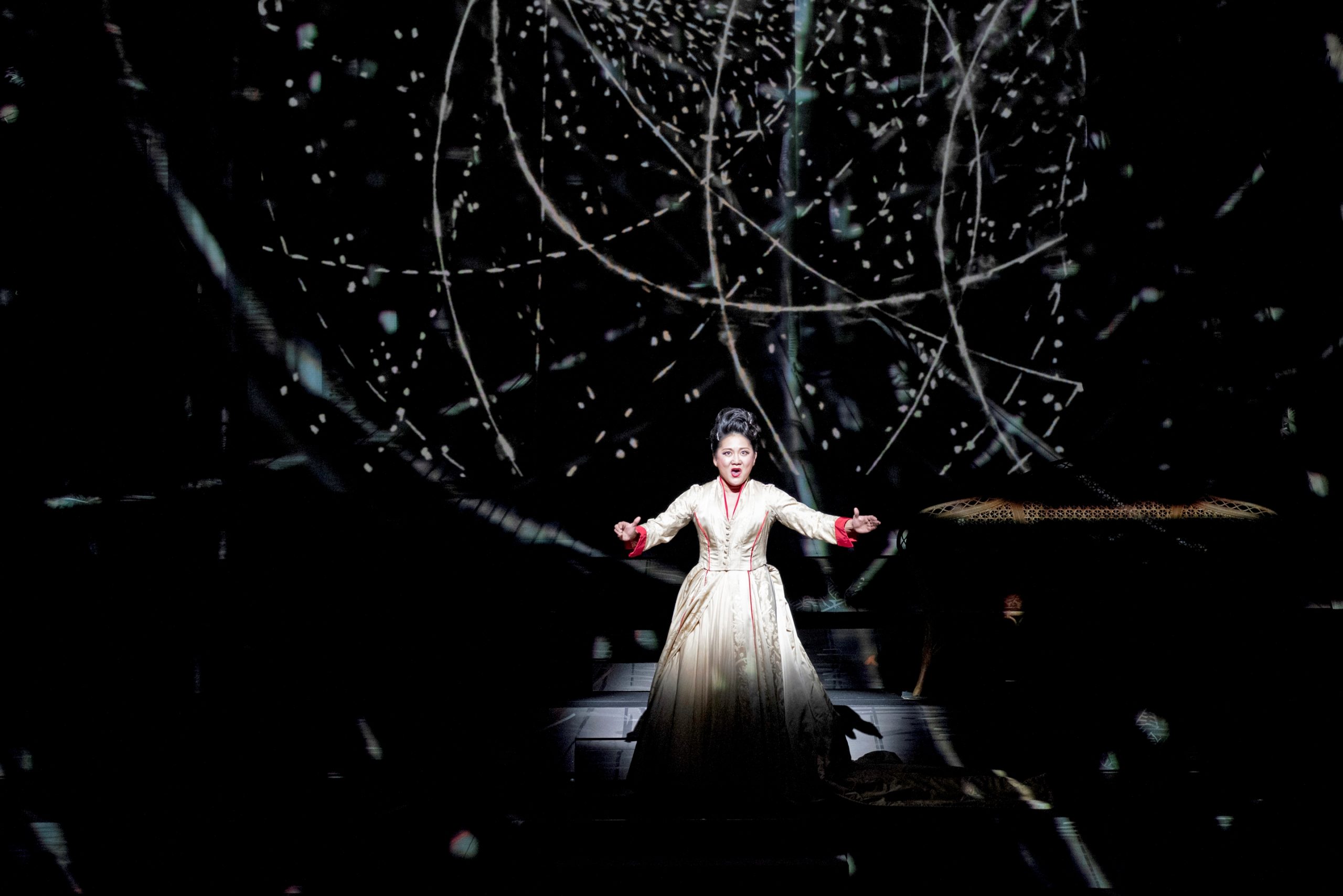
Die Zauberflöte, 2018. Photo: Rikimaru Hotta
-
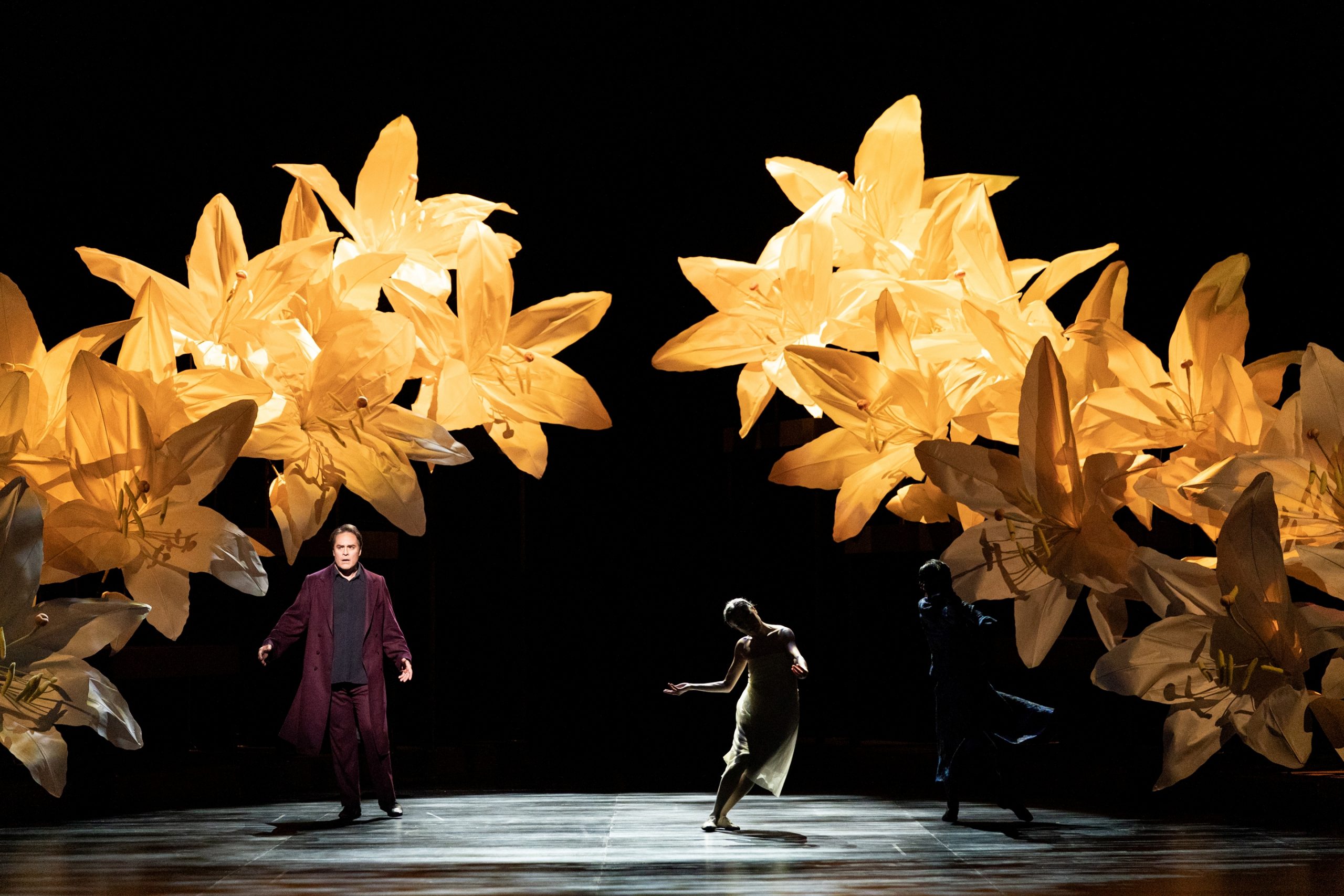
Orfeo ed Euridice, 2022. Photo: Rikimaru Hotta
-
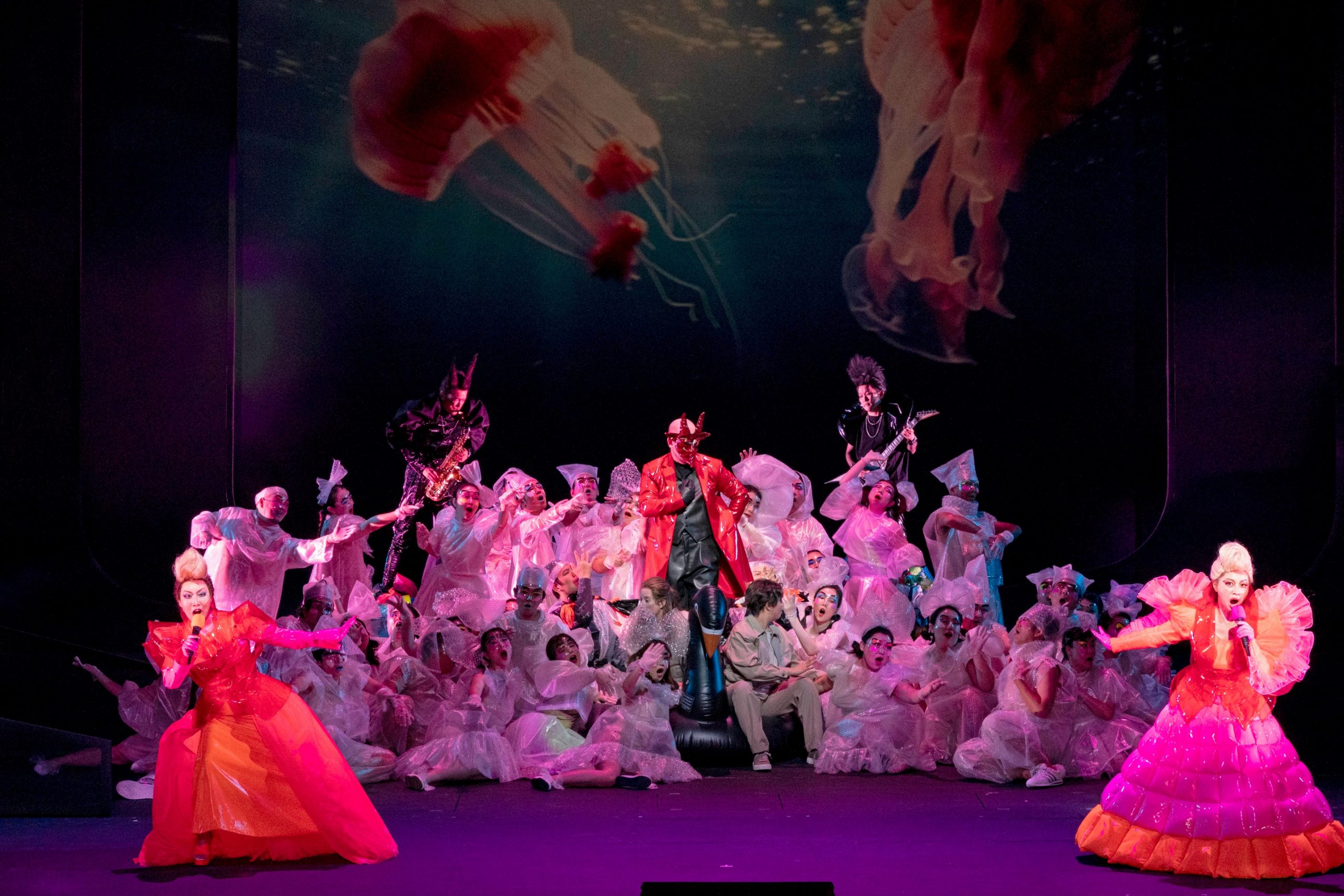
Natasha, 2025. Photo: Rikimaru Hotta
A Japanese opera house on the world stage
We are also pushing forward with exchanges among theater professionals in Asia through the activities of a group called the Association of Asia Pacific Performing Arts Centres (AAP PAC).3 Although it hasn’t yet reached the point of presenting physical productions, we and theaters in China and South Korea have also started screening recordings of one another’s performances.4
Commissioning new works by Japanese composers is a real priority project for me, and we have premiered works by three composers to date: Akira Nishimura’s Asters, Dai Fujikura’s A Dream of Armageddon, and Toshio Hosokawa’s Natasha. As a special program, we also staged an opera by Keiichiro Shibuya in which an android with artificial life interacts with a chorus of children.
The next New National Theatre, Tokyo premiere may be another work by a Japanese composer, but we are also meeting with several important composers from the wider Asia region, so it’s possible that we’ll go that way too.
Previously, collaboration with other theaters would have tended to mean working with Europe or the United States, but theaters in Asia are now more active in staging operas,5 so I expect that joint productions with Asian theaters will be a possibility in the future.
-
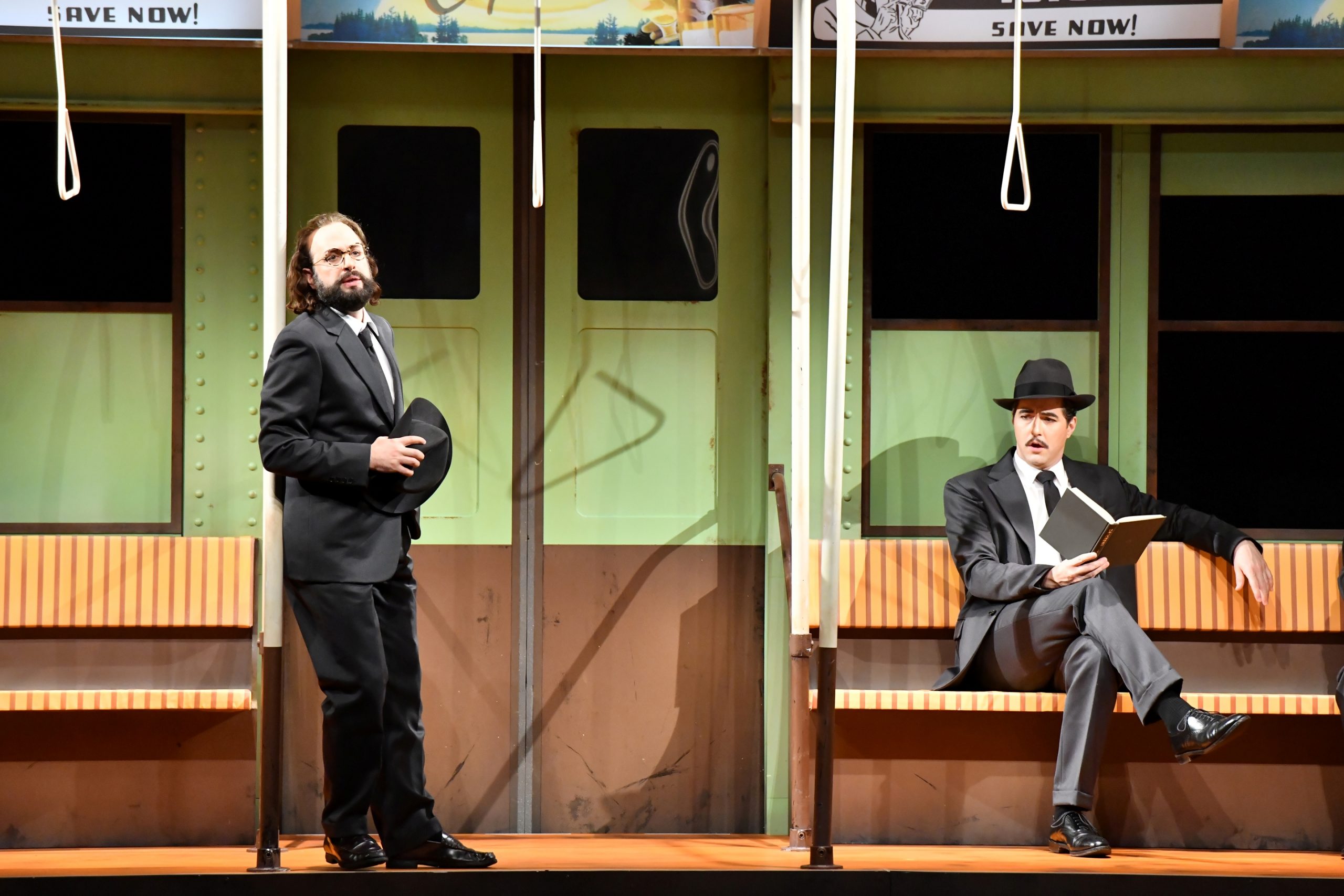
A Dream of Armageddon, 2020 Photo: Masahiko Terashi
-
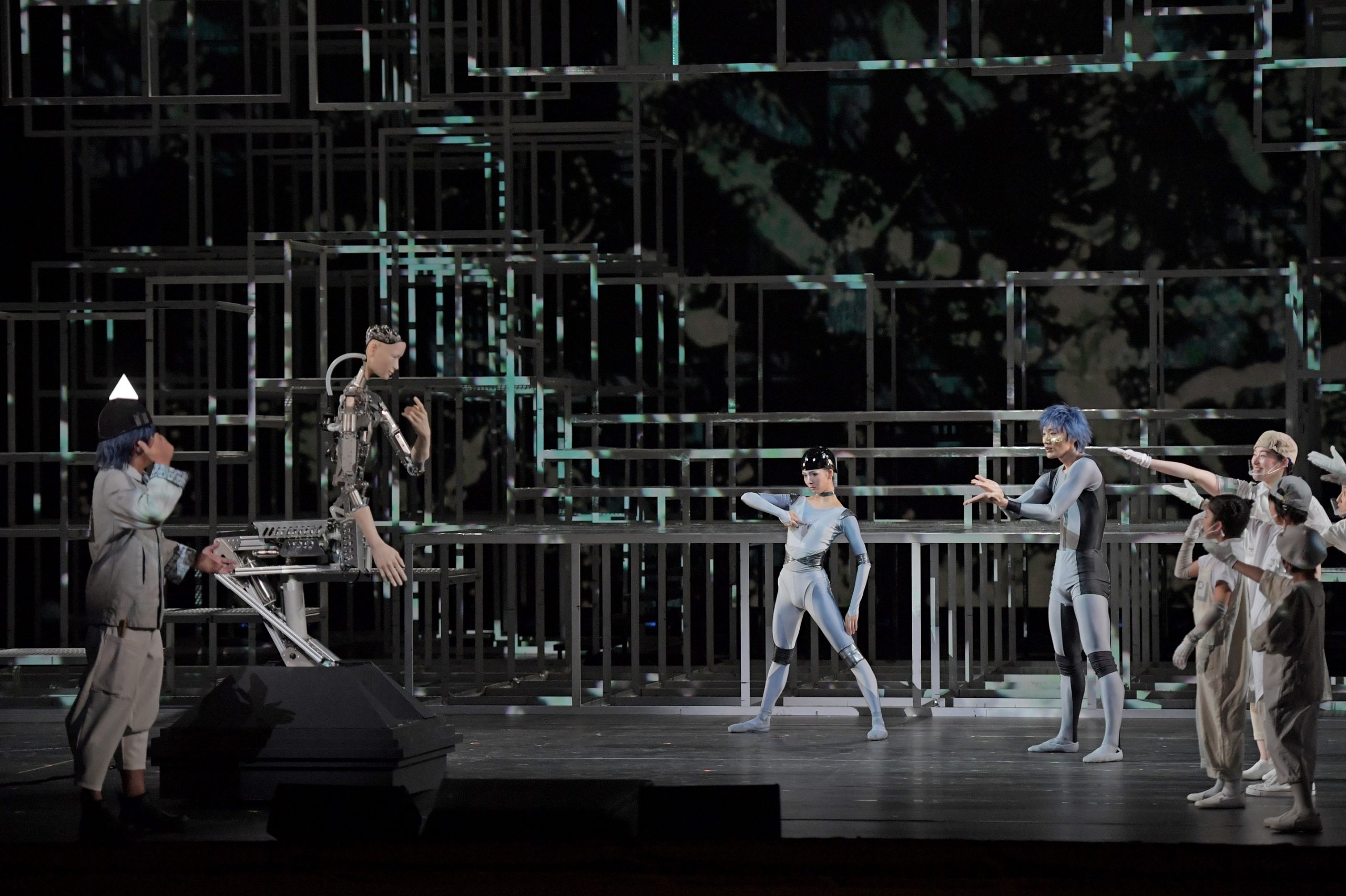
Super Angels, 2021. Photo: Takashi Shikama
However, with our existing production of Aida, it would be no simple matter, now, to change Aida’s skin color, or that of her fellow Ethiopians. For this particular issue, we will wait and see what the director decides if and when we next present the piece. Insofar as the work itself calls for differences in vocal character from role to role, and diversity in terms of human appearance, the range of possibilities it offers is vast. It feels like similar issues arise with, for example, works like Gershwin’s Porgy and Bess (in which almost all of the characters are Black) and Puccini’s Madama Butterfly (in terms of which nationality of performer is chosen for Japanese roles).
There is also the potential for working with other disciplines at the New National Theatre, Tokyo. I think it would be a good idea to plan more collaborative projects, with the drama division too. I also thought that it would have been great to have held tie-in exhibitions at Tokyo Opera City when artists like Kentridge and Anish Kapoor (who designed the set for Simon Boccanegra) came to Japan. Are there any plans to work more closely with the wider Tokyo Opera City complex, which serves as home to NNTT?
As we’ve talked about, there are still many important productions I want us to stage at NNTT, and much that I still want to do here. It really is a race against (my remaining) time here, but I intend to do everything that I possibly can.
-
Japan’s head start
Japan has a long history of domestic opera production, from the Fujiwara Opera (1934–) and the Nikikai (now Tokyo Nikikai Opera Foundation, 1952–) right up to the opening of the New National Theatre, Tokyo in 1997. Additionally, Japan has also been able to build up experience both onstage and behind the scenes at the forefront of the international scene by hosting productions from touring opera houses from overseas. Although opera houses are being built one after the other across Asia, and the number of performances is on the rise, Japan still has a slight head start when it comes to production experience and staff expertise.
-
The Association of Asia Pacific Performing Arts Centres (AAPPAC)
AAPPAC is an international network that promotes collaboration and exchange among theaters and performing arts organizations in the Asia-Pacific region.
-
Reciprocal screenings of recorded performances in theaters in China, Taiwan, and South Korea
January 2020, National Taichung Theater: the opera Madama Butterfly, and ballet The Nutcracker and the Mouse King;
February 2021, National Taichung Theater: the ballets Don Quixote, The Dragon Palace, and operas Eugene Onegin and Die Zauberflöte;
October 2021, National Centre for the Performing Arts (China): Turandot;
February 2022, National Taichung Theater: Super Angels;
November 2022, National Centre for the Performing Arts (China): Carmen (productions from National Centre for the Performing Arts were also screened at NNTT in the same month);
January 2023, National Taichung Theater: La Cenerentola;
February 2024, National Taichung Theater: Don Pasquale;
January–February 2025, National Taichung Theater: Orfeo ed Eurydice and The Sleeping Beauty;
February 2025, National Theater of Korea: Turandot (productions from National Theater of Korea were also screened at NNTT in August of the same year); and
February 2026, National Taichung Theater: Turandot
-
Theaters in Asia are now also more actively staging operas
Opera houses have been opening up in rapid succession in East Asia, where classical music is thriving, and the region is turning out artists in great numbers. In South Korea, new theaters include Korea National Opera (founded in 1962) and the Daegu Opera House (2003), as well as an opera house scheduled to open in Busan Opera; in China, the National Centre for Performing Arts (2007, in Beijing), the Shanghai Grand Opera House (2026), and Opera Hong Kong (2003); and in Taiwan, the National Theater and Concert Hall (opened in 1987, in Taipei), the National Taichung Theatre (2016), and the National Kaohsiung Center for the Arts (Weiwuying) (2018).
-
Blackface
Blackface refers to the practice of performers using makeup or similar means to darken their skin in order to portray Black or African people. Today, it is criticized not only for its historical background, but also for the nature of the practice in itself: representing race or ethnicity by altering skin color.
Performance Information
New National Theatre, Tokyo 2026/2027 Season Opera
Peter Grimes <New Production>
Music by Benjamin Britten
-
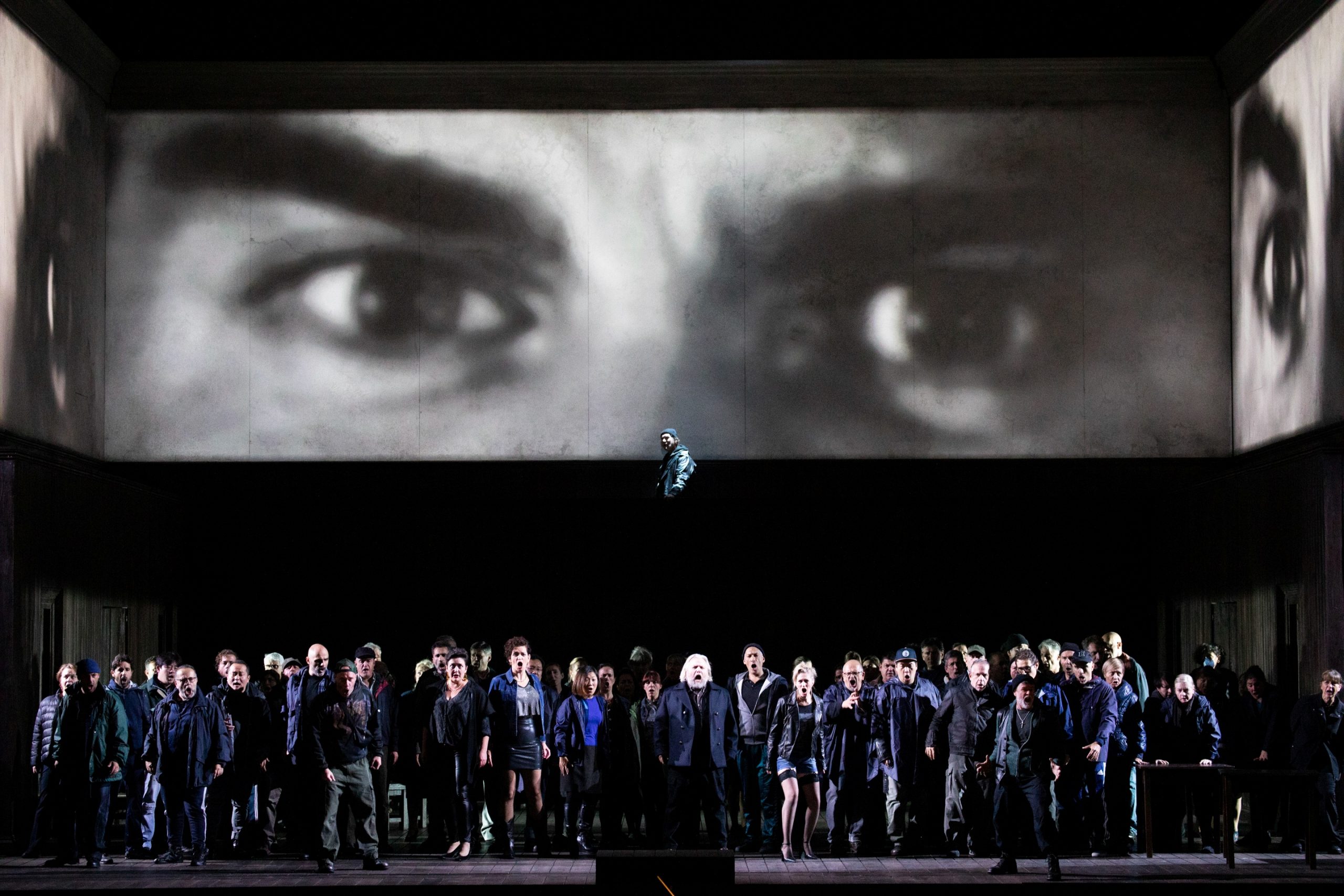
From a performance at La Scala, Milan. Photo: Brescia and Amisano © Teatro alla Scala
Conductor: Kazushi Ono
Production and Lighting Design: Robert Carsen
Casts: Brandon Jovanovich, Sally Matthews, Jordan Shanahan and more.
OPERA PALACE
23, 26 & 29 November; 2 & 5 December 2026
-
Photo: Akihito Abe
Related Tags