

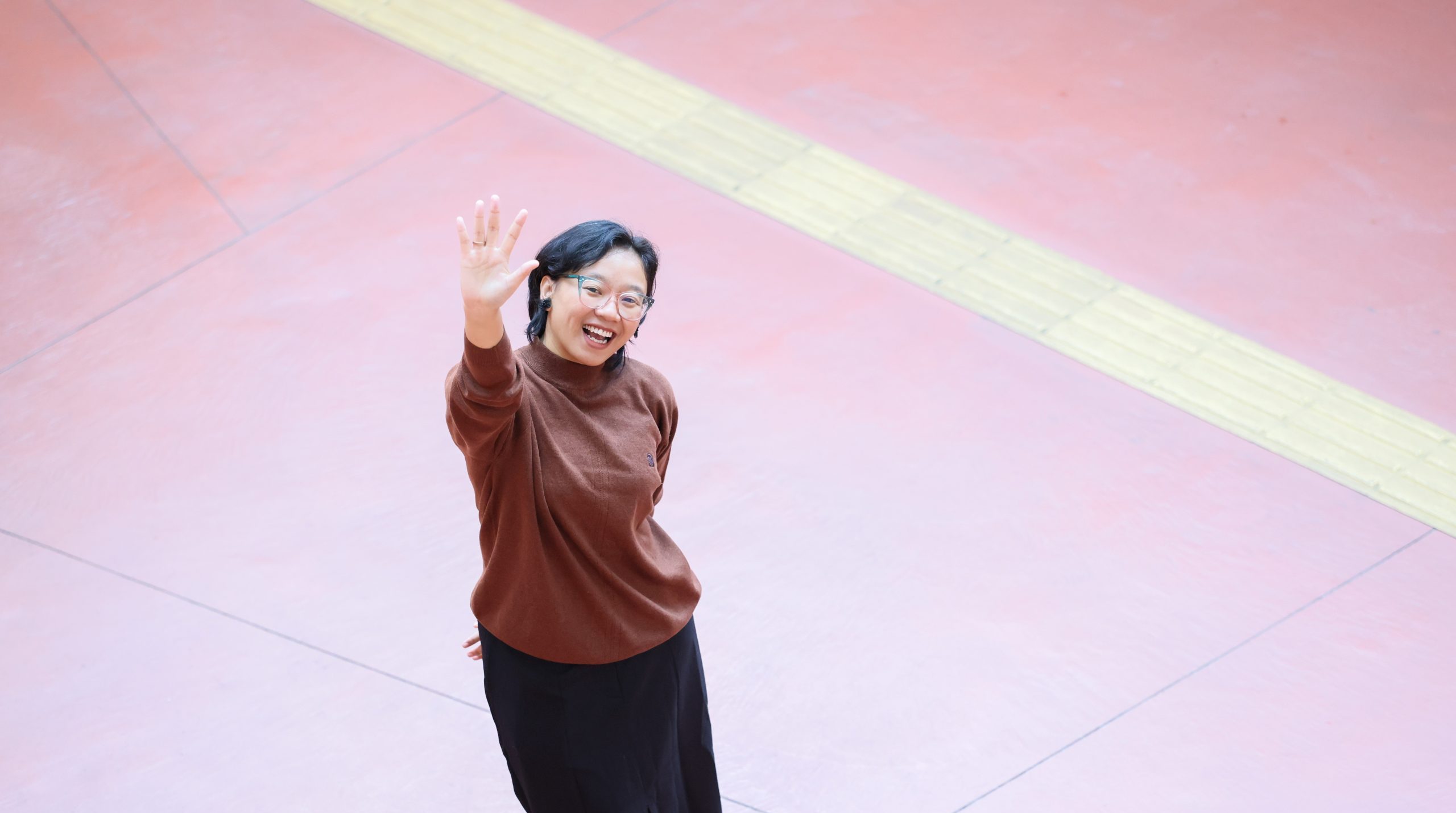
Nia Agustina
Fostering Connections and Nurturing Talent—Supporting Dancers and Choreographers through Paradance Platform
Photo: Maiko Miyagawa
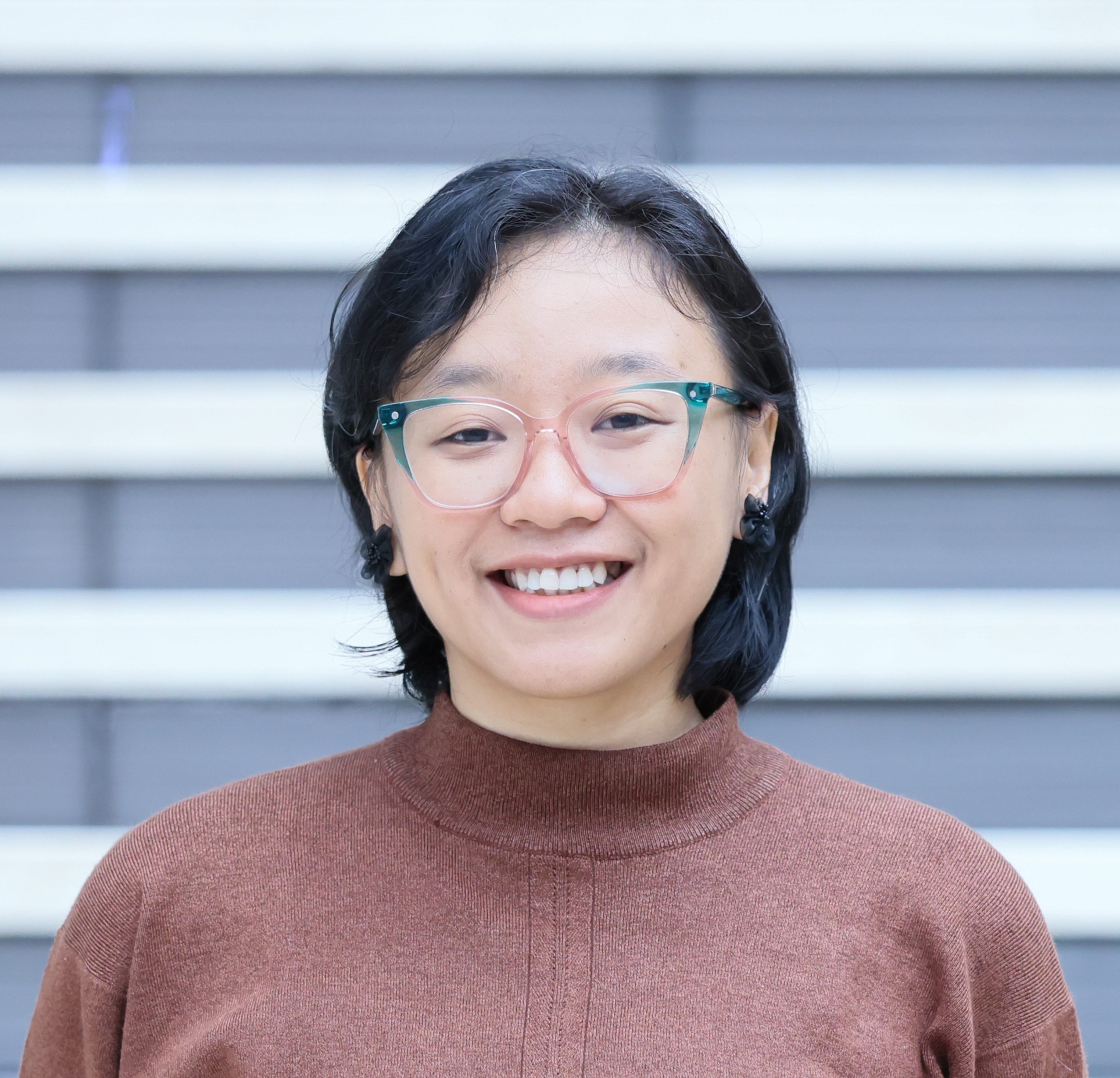
Photo: Maiko Miyagawa
Nia Agustina
Nia Agustina is the Artistic Director of Paradance Platform. Established in Yogyakarta in 2014, the platform hosts a festival every three months, working to support younger dance practitioners and choreographers. She was a co-curator at the Indonesia Dance Festival (2016–2024), and co-founded the performing arts critique and review website gelaran.id with her husband Ahmad Jalidu. She visited Japan through the Fellowship Program of The Japan Foundation Asia Center (2020) to research dance platforms in Japan, and was a part of the South East Asia Critical Ecologies residency program organized by Centre42 (Singapore). She was also a member of the IETM Global Connector program (2021–2022). Active as a curator, dramaturg, and writer, she expands the activities of emerging choreographers within Indonesia and abroad. In 2024, she was a jury member of the ZKB Prizes of Zurich Theater Spektakel. In 2025 she was a Visiting Fellow for the Saison Foundation. She received her Master’s in Mathematics Education in 2015 from Yogyakarta State University.

Nia Agustina is an arts practitioner who supports emerging dancers and choreographers in Indonesia, a country known for its robust dance scene. In 2014, she established Paradance Platform in Yogyakarta to provide opportunities for many emerging choreographers to present their works while cultivating strong relationships based on trust with different artists and communities. She has also looked outside of the country to actively participate in various international research and collaboration programs. All of these efforts stem from a desire to provide a more abundant and open creative environment for other artists. Above all, Agustina cherishes the various encounters she has with people and provides guidance to artists and their activities with care. In this interview, we delve into the formation of the in-person style of support that Paradance provides to artists, and the current state of the platform.
Interview and text: Makiko Yamaguchi
English Translation: Hibiki Mizuno, Yume Morimoto, and Ben Cagan (Art Translators Collective)
-
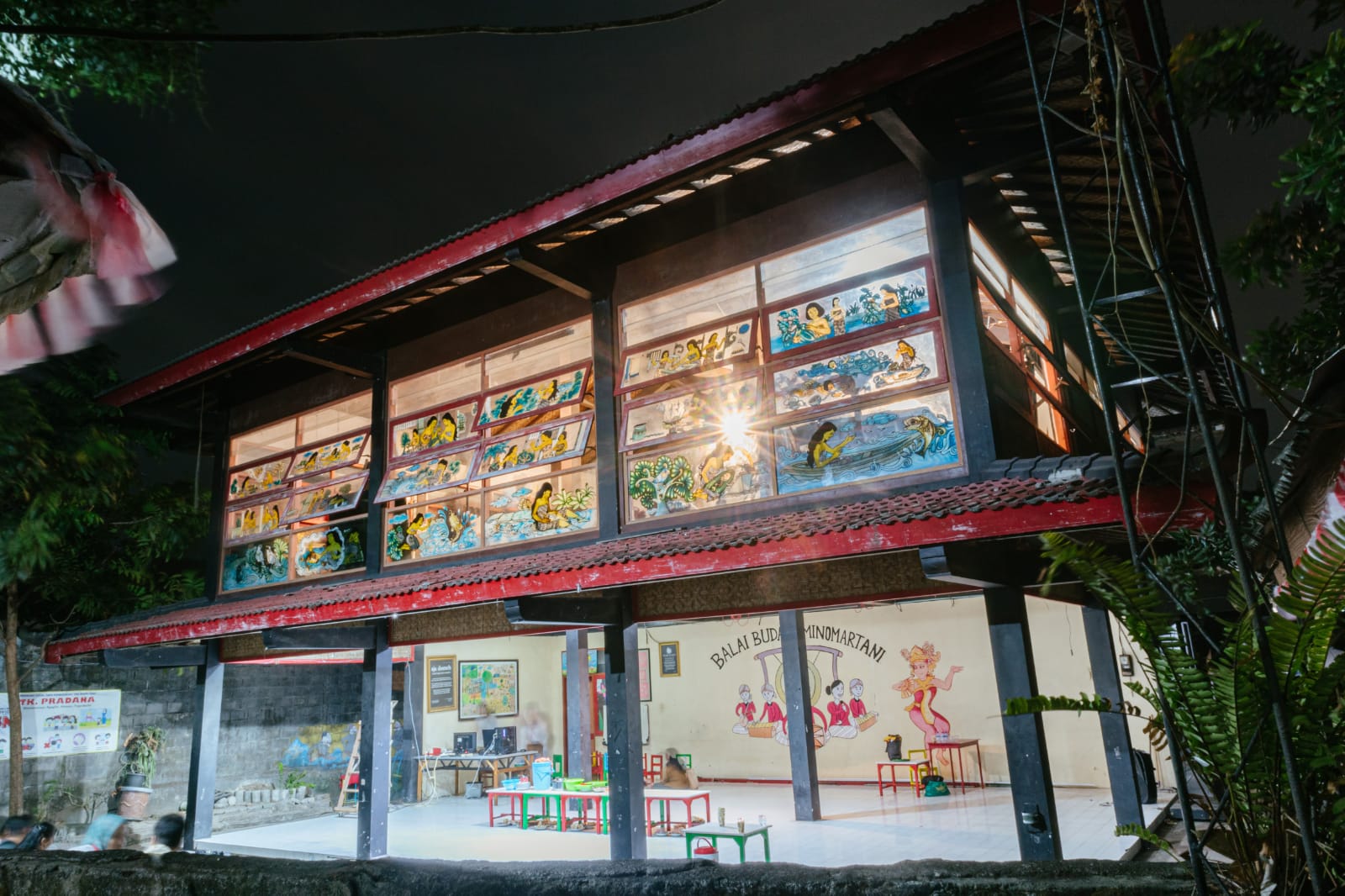
Photo: Hoai Nguyen
Also, my father is a police officer and my mother is a middle school teacher, both working in fields unrelated to the arts. Given this upbringing, I ended up majoring in math education for both my undergraduate and graduate degree. This was because I felt that it was a more realistic decision to find a stable job like my parents.
Upon graduating university, young choreographers find themselves in a very vulnerable situation. Although they are able to learn the methodologies behind creating work in college, they are not thoroughly prepared for the various challenges they must face upon graduation, including knowing the mechanics of production, the system behind putting on a performance, ways of gathering funding, and cultivating networks. The reality is that, if an emerging artist wants to present their work independently, they must cover all of the costs themselves: these include the venue rental fee, securing production staff, lighting and sound fees, and more. This is an extremely difficult situation for students or choreographers who have just graduated.
Learning about this situation, I started to brainstorm for ways to provide a space for emerging artists to present their work, which led to the establishment of Paradance Platform in 2014. It first started by asking five of my choreographer friends to participate in a small event, in which we would present their works in one night. We aimed to help widen the possibilities for their activities by giving young choreographers a chance to meet each other, feel mutually inspired, and encounter a diverse range of works.
In Indonesia at the time, there was very little established infrastructure for even accessing grant funding, and very limited ways to find out about how to connect with producers. Many artists also did not have a comprehensive understanding of the role of the “producer” in the performing arts, and that situation remains largely unchanged to this day. The reason we’ve continued Paradance is because I felt that there was a role I could play to fill these major gaps in the field.
From our founding until around 2016, we mainly focused on hosting a small festival. Titled “Festival Mini Seni Gerak dan Tari” (Mini Festival of Movement and Dance), the festival provided a space about three to four times a year for emerging choreographers to present their work. Since then, we’ve widened our scope, and began programs such as Study Club and Camp, where we hold English reading clubs. Today, we also have a residency program. We also have had choreographers write about their creative process and have compiled these writings into two publications.
-
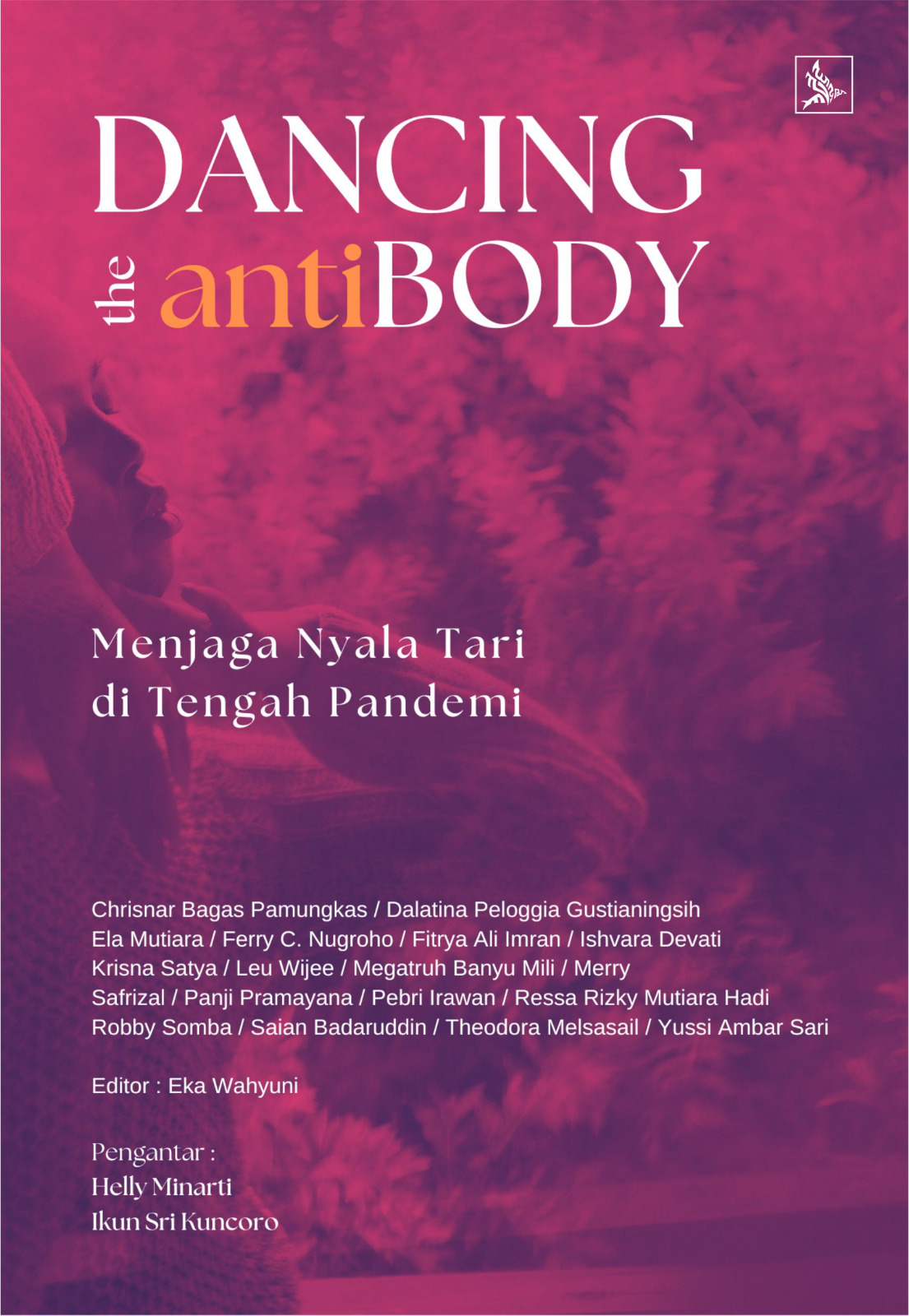
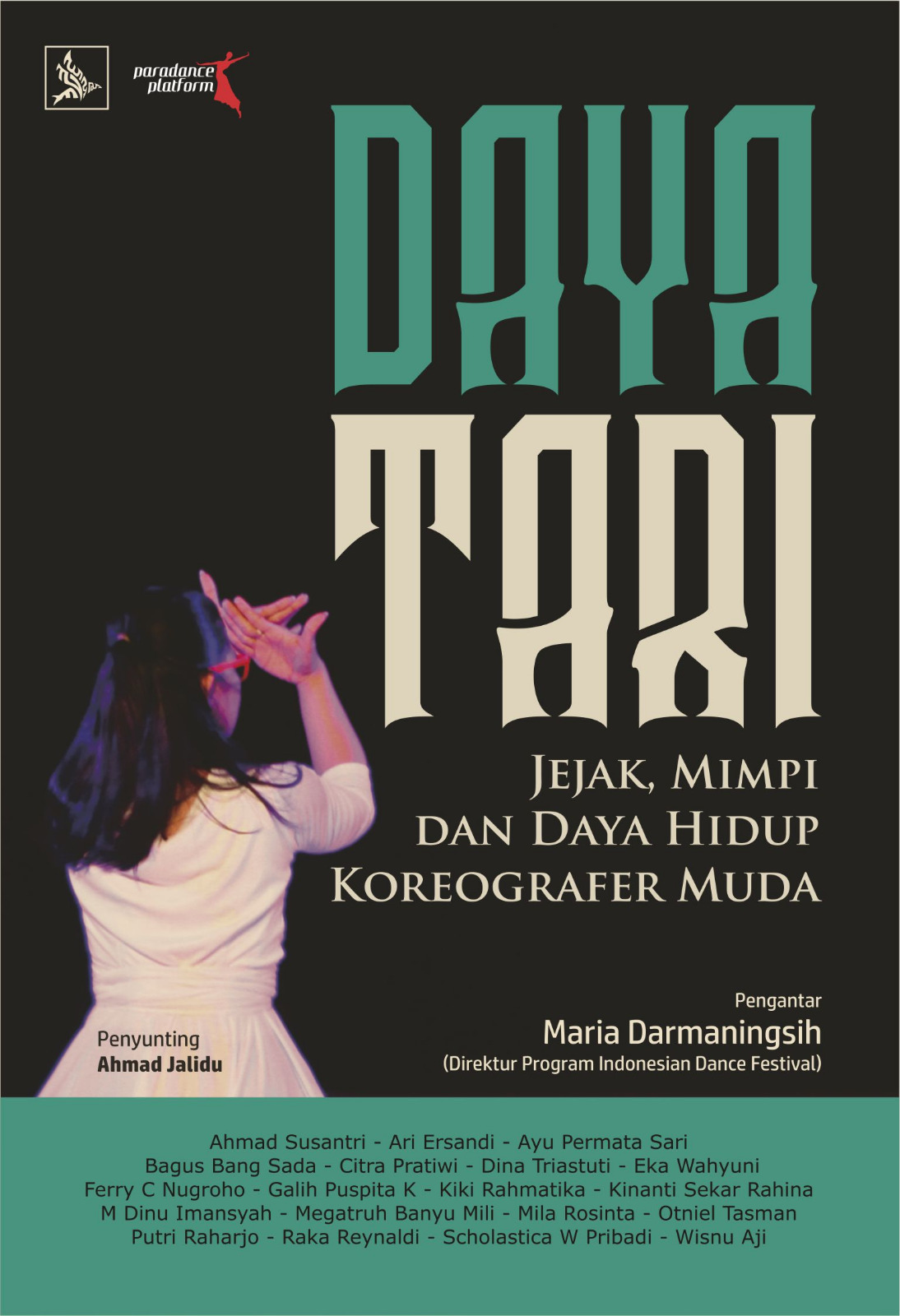
Two books have been published that document the choreographer’s creative process in their own words.
-
In terms of how we manage things, we always try to maintain a good grasp of our bandwidth and capacity. In this sense, we intentionally keep the scale of Paradance small. What should grow is not the platform itself, but the choreographers who we work with. If we keep our work small in scale, we can keep going without being heavily influenced by our finances.
In working with communities, we prioritize mutually understanding each other’s needs. When we host Paradance, local people come to support us, and if there’s a local event, we also offer our help. My husband’s family members are farmers, and sometimes we share our harvests with the members of the community; I also bring back souvenirs when I return from abroad. The fact that we continue to maintain organic relationships with our friends and neighbors rather than treat them as business partners is what ultimately sustains Paradance.
Since the venue is semi-outdoors, people who are not familiar with dance can also just stop by casually. We’ve had local mothers, fathers, and children just happen to come and see the performances. Their responses to contemporary dance pieces are especially unique and provide an opportunity to learn how people who do not regularly attend dance performances see the work, so the artists also cherish these connections. I get the impression that these kinds of coincidental encounters also help increase the amount of people interested in our work.
-
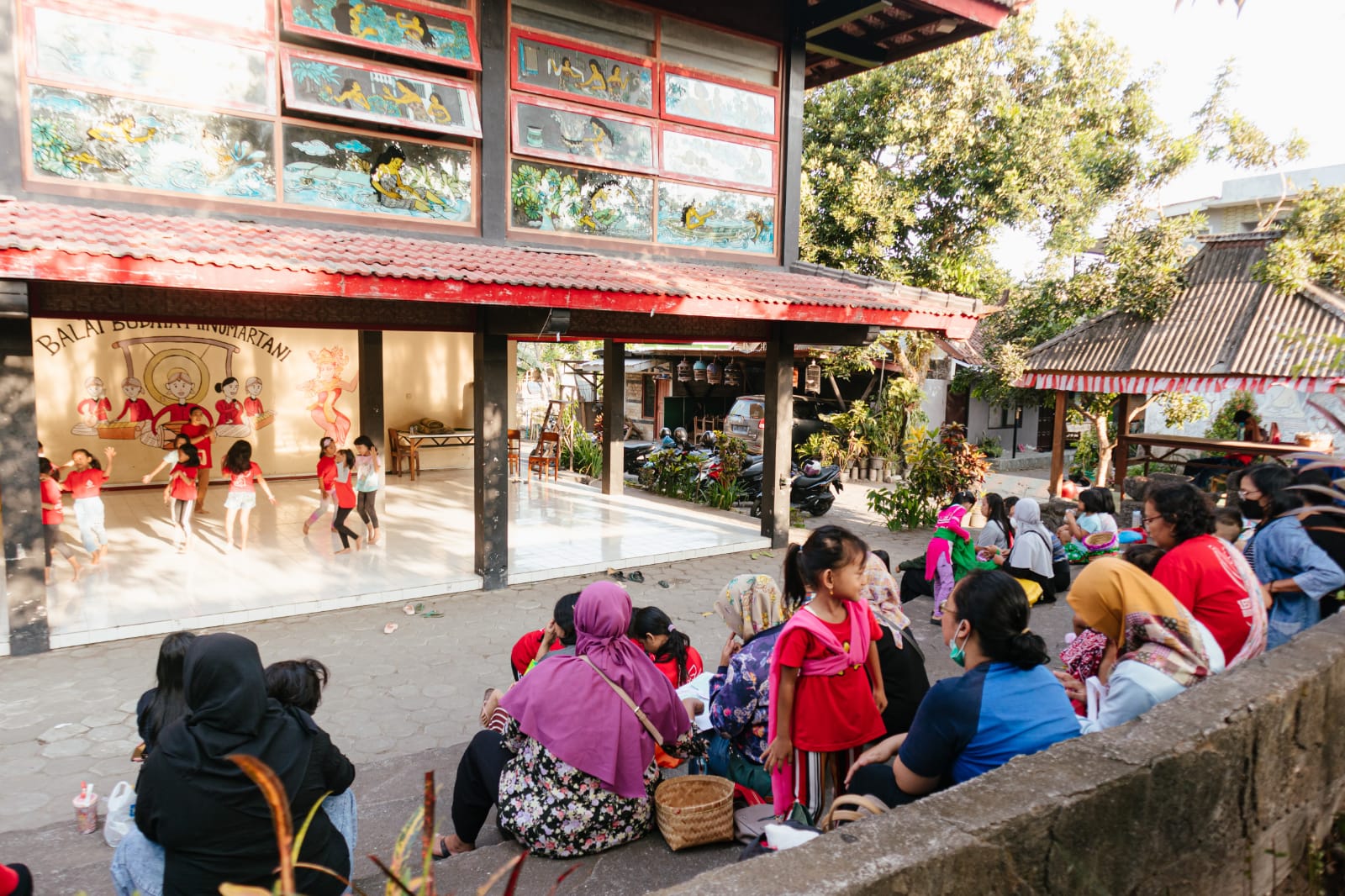
Balai Budaya Minomartani. Photo: Hoai Nguyen
Another aspect that was shocking was the difficulty in understanding the works. To be honest, I was not able to understand, on first viewing, the experimental pieces I saw at TPAM, since it was my first time encountering those kinds of artistic expression. This experience taught me that I needed to learn how to interpret works and understand performances. The aesthetics of performance are deeply tied to each country’s history of the arts, so it’s not easy to understand and unpack a given work.
Another thing I noticed was a sense of inferiority I felt within myself. Perhaps this is related to Indonesia’s long history of colonial occupation, but it was a feeling where you unconsciously start to think that foreign artists are superior, harboring a kind of “colonial mentality.” I had the sense that perhaps this wasn’t just my personal experience but common to many emerging choreographers and dancers in Indonesia.
After I returned from TPAM, we started a Study Club at Paradance to help young choreographers feel more confident engaging in international spaces. Moreover, we conduct residencies in collaboration with artists from other countries so that participants can experience creating in the same space and feel firsthand that they are able to communicate on equal terms.
For me, supporting choreographers is not just about helping them create works, but also nurturing their personal growth and confidence. I hope that both their work and their character will develop.
Back in 2022, when the effects of the pandemic were still being felt, we began with ongoing dialogue as part of an online residency. Later that year, a residency was held at DANCE BOX, and in January of the following year, with the support of the Japan Foundation Jakarta Japanese Cultural Center, a collaborative residency took place at Paradance and at Ayu’s home in Lampung (Sumatra).
Then, in 2023, Ayu invited Ayaka to Lampung once again, which was made possible through support from a program—MTN (Manajemen Talenta Nasional/National Talent Management)—run by the Indonesian government. Furthermore, in early 2024, they undertook a residency at tanzhaus nrw in Düsseldorf, Germany, following an invitation from the organization. The two reunited in Kobe at the end of that year and went on to premiere their new work, AYUKA, at house next door in Kobe in November 2025.
Actually, Yokobori and I were only directly involved in the first two in-person residency programs; after that, Ayu and Ayaka continued working together and developed the project on their own, securing various forms of support independently. When designing the residency, we made our position clear: “If it doesn’t work out, you don’t have to force the collaboration.” As it turned out, the two of them felt they worked well together and took the initiative to move forward.
-
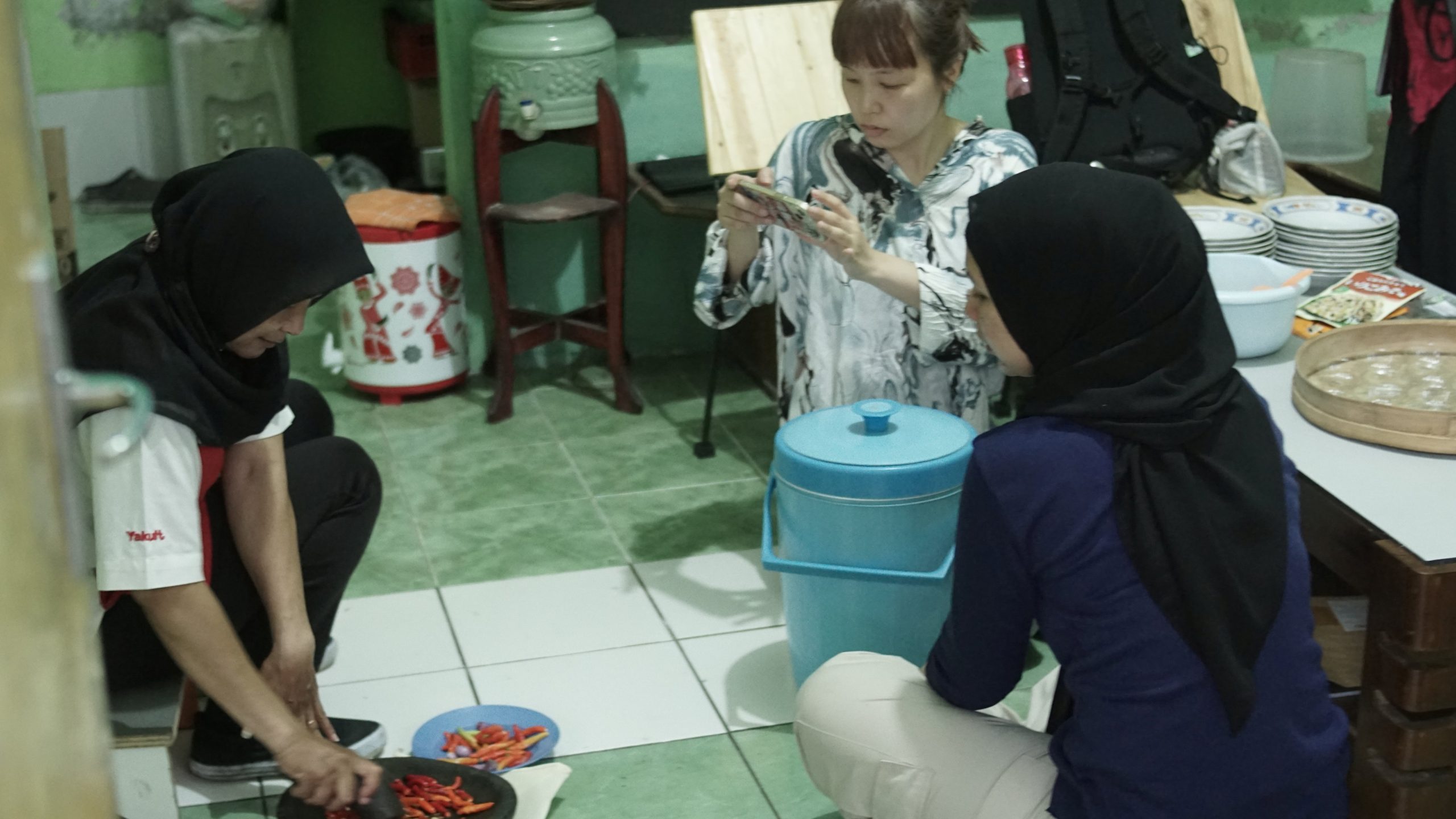
Ayu Permata Sari and Ayaka Nakama during their collaborative residency. Photo: BIBID HRIDAY
-
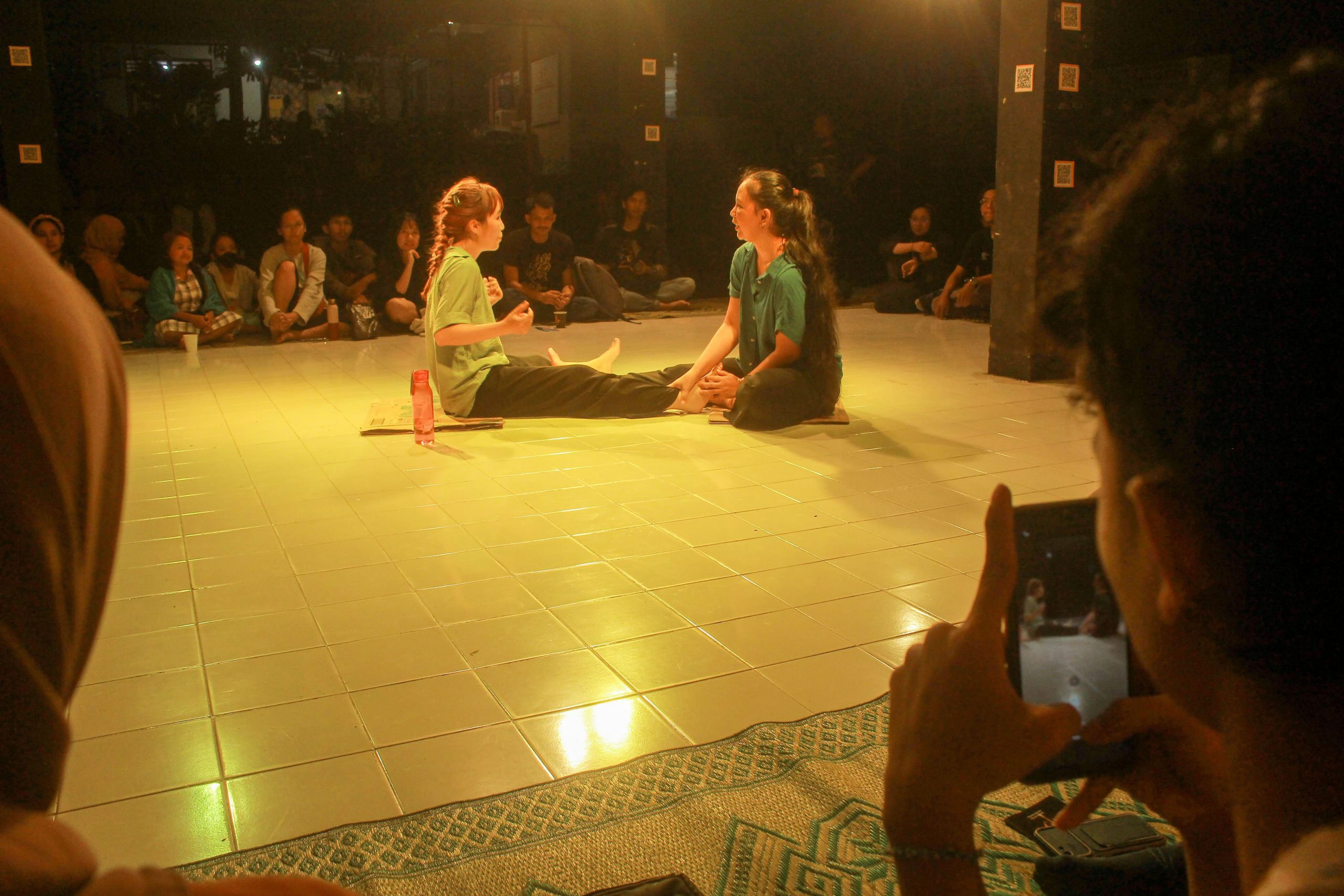
Same as above. Photo: BIBID HRIDAY
However, after eight years in this role, I began to feel that my ideas were becoming repetitive. So, I decided to refocus my efforts on Paradance. The reason I have been able to grow as a curator and producer is that I have worked closely with choreographers over the years. That is precisely why I wanted to return to those roots, engage more deeply with emerging choreographers, and relearn the practice of supporting choreographers. To prioritize this process, I decided to step down from my role at IDF.
In that sense, IDF also serves as a vital meeting point where domestic artists and international presenters come together. However, IDF has its own resource limitations and cannot shoulder everything alone. That is exactly why I believe it is important for various dance platforms, in addition to IDF, to support choreographers in their own ways. While IDF functions as a space for international encounters, Paradance and other platforms support young choreographers on their own scales and in their own ways. I believe that by collaborating and fulfilling their respective roles, these multiple platforms can help broaden the opportunities available to Indonesian choreographers
In fact, there are many dance platforms in Indonesia besides Paradance. For example, initiatives focused on international exchange are taking place in regional areas as well, such as Sasikirana Dance in Bandung, the KABA Festival in Padang, Festival Mentari in Padang Panjang, Kolektif Katalis in Solo, etc. I think it is very positive that multiple platforms of different types coexist. In this way, not only those who participate in IDF, but also many other choreographers can receive support and opportunities in various forms.
In addition, several initiatives are currently underway in Indonesia to promote the development of the performing arts as a whole. One such initiative is Forum Producer, a platform that connects domestic producers and arts managers. I have personally had the opportunity to meet many people through this platform.
What I value most is nurturing relationships naturally with the people I meet, without limiting my network. Looking back on my 11 years of experience, I often think of my experience with Fumi Yokobori as an example: we first built a relationship and went through a process of getting to know each other well before we began collaborating. I believe that by cultivating relationships in this way, we gradually open up new pathways for Indonesian artists to connect with the world.
In this way, the proliferation of social media and online platforms is influencing the nature of creative work. Today’s young choreographers tend to gravitate naturally toward multidisciplinary approaches. We are seeing an increasing number of works that incorporate not only dance but also other fields, such as installation art and theater. I believe this trend is unique to an era in which information flows in from all over the world.
Therefore, at festivals organized by Paradance, we do not require applicants to be dance majors. Even if someone has never studied dance professionally, we welcome submissions as long as the work includes choreographic elements. The lineup features an exceptionally wide variety of works, ranging from pieces that are quintessentially “dance” to those that blend performance and installation, as well as works with theatrical structures.
Artistic creation is becoming increasingly diverse. To respond to this reality, Paradance embraces highly choreographic dance works, as well as works created from the perspectives of artists whose backgrounds may lie outside the field of dance, alongside many other forms of expression ensuring that audiences can experience a wide range of expressions within a single festival. We believe this is essential for maintaining connections with young choreographers and staying attuned to the current dance landscape.
-
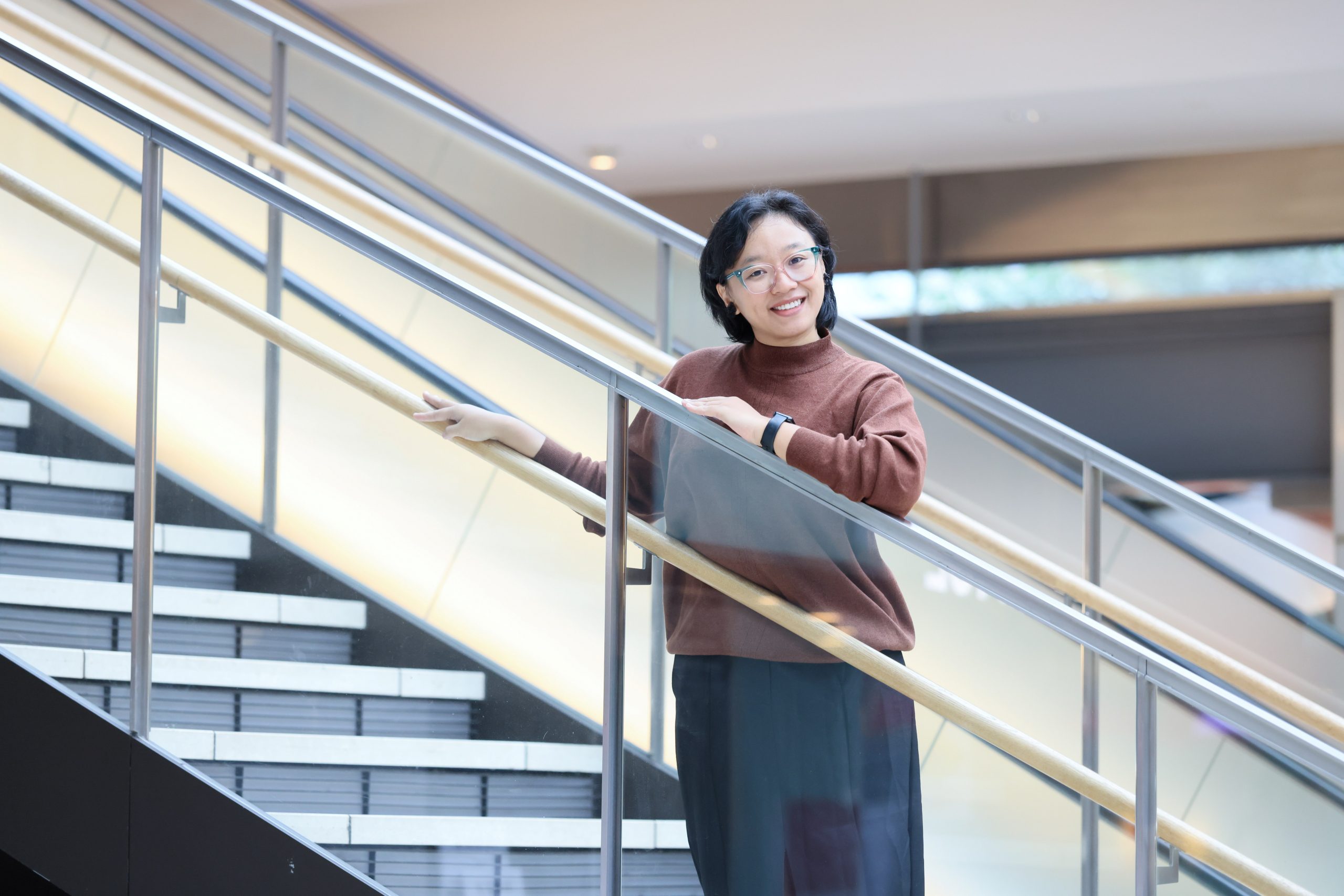
Interview interpretation: Sakura Tsugawa / Cooperation: Performing Arts Festival: Autumn Meteorite 2025 Tokyo Photo: Maiko Miyagawa
Related Tags