


Icee Po
Theater for the People to Resist in a Turbulent Society–Filipino Theater Group PETA
ⓒ Akihito Abe

Photo: Akihito Abe
Icee Po
Icee Po is a Senior Artist-Teacher and the Managing Producer at the Philippine Educational Theater Association (PETA), one of the Philippines’ leading theater institutions dedicated to theater for social transformation. A multidisciplinary theater practitioner, she has worked locally and internationally as an actor, singer, facilitator, and community organizer, creating works that engage communities and advance the role of the arts in education and social change. She previously served as Membership Head and Welfare Fund Head, where she helped strengthen artist support systems and foster a culture of collaboration and empowerment within the organization.
One often hears from young Filipino artists that their parents were involved in the People Power Revolution (1986), which overthrew the dictatorship. The children of that revolutionary generation worked alongside various communities: those living in impoverished areas, those affected by natural disasters, and those who have faced abuse and discrimination. They seemed to have the conviction that such engagement would lead to social change. They came from elite backgrounds with a high degree of education, but also had the resilience to endure the tumultuous realities of Filipino society, along with a playful spirit that allowed them to rise above challenges with laughter. One name frequently mentioned in conversations with them was PETA (Philippine Educational Theater Association). Since its founding in 1967, PETA has sought to create theater for the people. Its ideas and practice have also had a significant influence on Japanese theater workshop culture. Icee Po says that her life was transformed by her encounter with PETA. Through her story, we explore the history of Filipino theater—deeply intertwined with colonialism—and examine the current state of performing arts in the Philippines.
Interview and Text by Chikara Fujiwara
English Translation: Yume Morimoto, Ben Cagan (Art Translators Collective)
What is art? An unforgettable learning experience
First, can you tell us about your first encounter with the performing arts?
However, when PETA came to my school, my life completely changed. PETA partners with the local churches to conduct theater activities for young people. One day, my school teacher told me to get on the stage, so I did what I was told. There, a senior teacher at PETA, Wilson “Bong” Billones, handed me some lyrics, and told me I would be singing as part of the performance. When it came to the actual performance, my voice cracked… but everyone applauded and I was told, “This is the story of everyone in the region, so don’t worry. Use the power that you have to tell everyone’s stories from now on.”
After that, I went to a university in Manila to study dentistry, thinking that my involvement with art would come to an end. However, PETA invited me to help with the youth program. I knew I still wanted to remain connected to art in some way, so I decided to take the opportunity—and it turned out to be an unforgettable workshop. I was assigned to a small community in the Visayas, where clashes between the military and anti-government groups were ongoing. At night, you could hear gunshots. Despite this, children continued studying at a small local school, and we conducted a workshop and staged a performance for them. The experience made me realize how fortunate I am, but it also awakened a deeper understanding that I am in a position to empower others through art. One day, a child approached me and said, “Miss, please take me to Manila. I really want to study. I will work for you.” Of course, PETA has its rules, so I told the child to speak with the team leader and encouraged them to continue studying. Even now, I have tears in my eyes as I talk about it.
But that was the moment I knew: this is art. I realized that these people were the audience—this is who we must work for. I felt that this was where I wanted to be, and that this was what I wanted to do for the rest of my life.
-
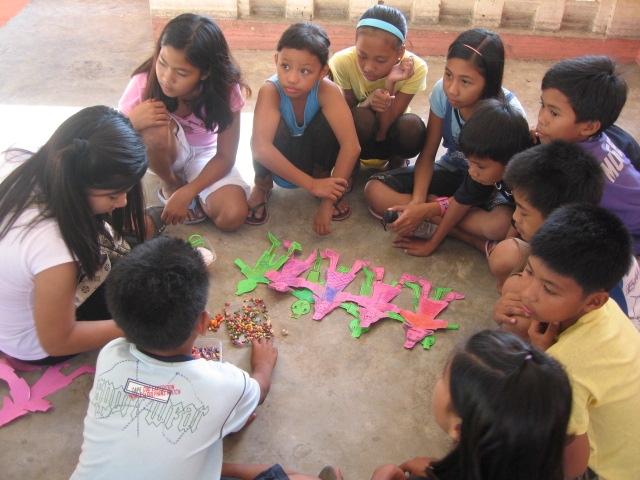
Lingap Sining: PETA’s arts-based support program for disaster-stricken and marginalized communities.
I am also involved in community organizing, such as hosting festivals with local participation. I believe that collaborating with others is the path to becoming a voice for the voiceless. For me, the performing arts are not just about staging a production. It is a space where people can truly see one another, find the courage to speak, and create a better future together. I hope to help build a movement of art and expression that connects us with Asia and the global arts community.
-
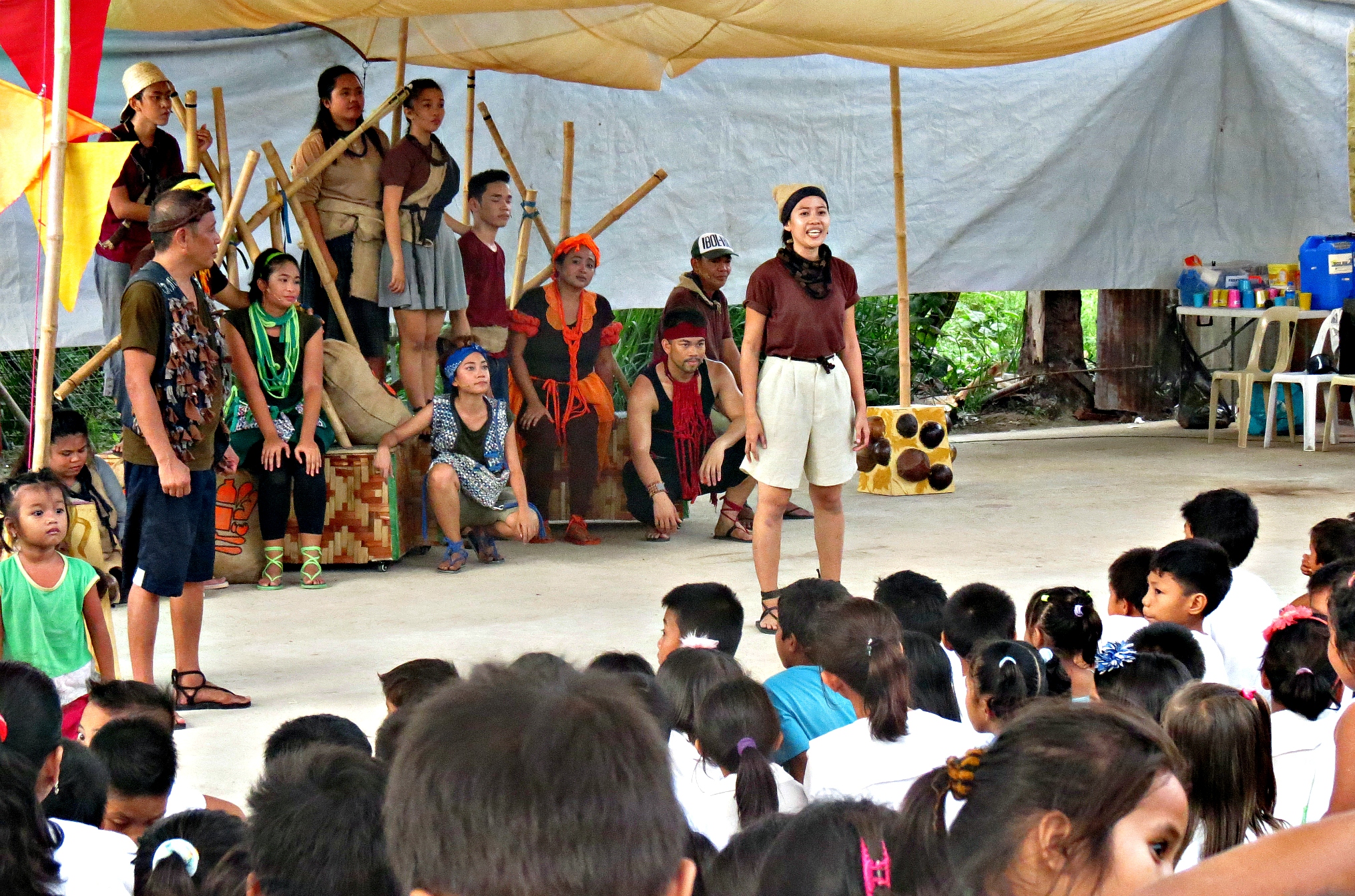
Padayon: A platform for performances and showcases developed from PETA’s Lingap Sining.
Filipino performing arts and the founding of PETA
Could you tell us about the development of performing arts in the Philippines, from your perspective?
During the American occupation (1901–1942, 1945–1946), English education, as well as vaudeville—called bodabil in the Philippines—arrived, and the latter became popularized during the Japanese occupation (1942–1945). The Japanese authorities viewed bodabil purely as entertainment, without any serious political ideas. In reality, however, people embedded messages of resistance within this form of expression.
After the war, the Philippines became independent and began searching for its own identity. In 1966, the Cultural Center of the Philippines (CCP) (*2) was established under the Marcos regime. By creating a building, or a theater, as one structure, I think it gave artists who had been active in various regions the consciousness of gathering in one place, influencing them to form their own theater companies.
However, although Imelda Marcos(*3), who drove the creation of the CCP, did put effort into the arts, this predominantly involved inviting international artists to stage productions. It’s clear if you visit the CCP building that the theater was created not for the people, but for the elite to see theater—a place for the wealthy to attend in their gowns.
On the other hand, in 1967, two theater companies emerged. The first was Repertory Philippines (*4), which staged works in English, and the other was PETA. PETA put on productions in Filipino languages, telling the stories of the people and engaging with pressing social issues. As its name might suggest, PETA’s main site of activity was the streets. Utilizing the space’s various elevations in structure, the Rajah Sulayman Theater in Intramuros (*5), where José Rizal (*6) was once imprisoned, was used to put on stage productions. Performances were cancelled when it rained, and the company also had to work with surrounding noises. Apparently, there were times they even aligned the start of performances with the sound of the bells from the Manila Cathedral.
-
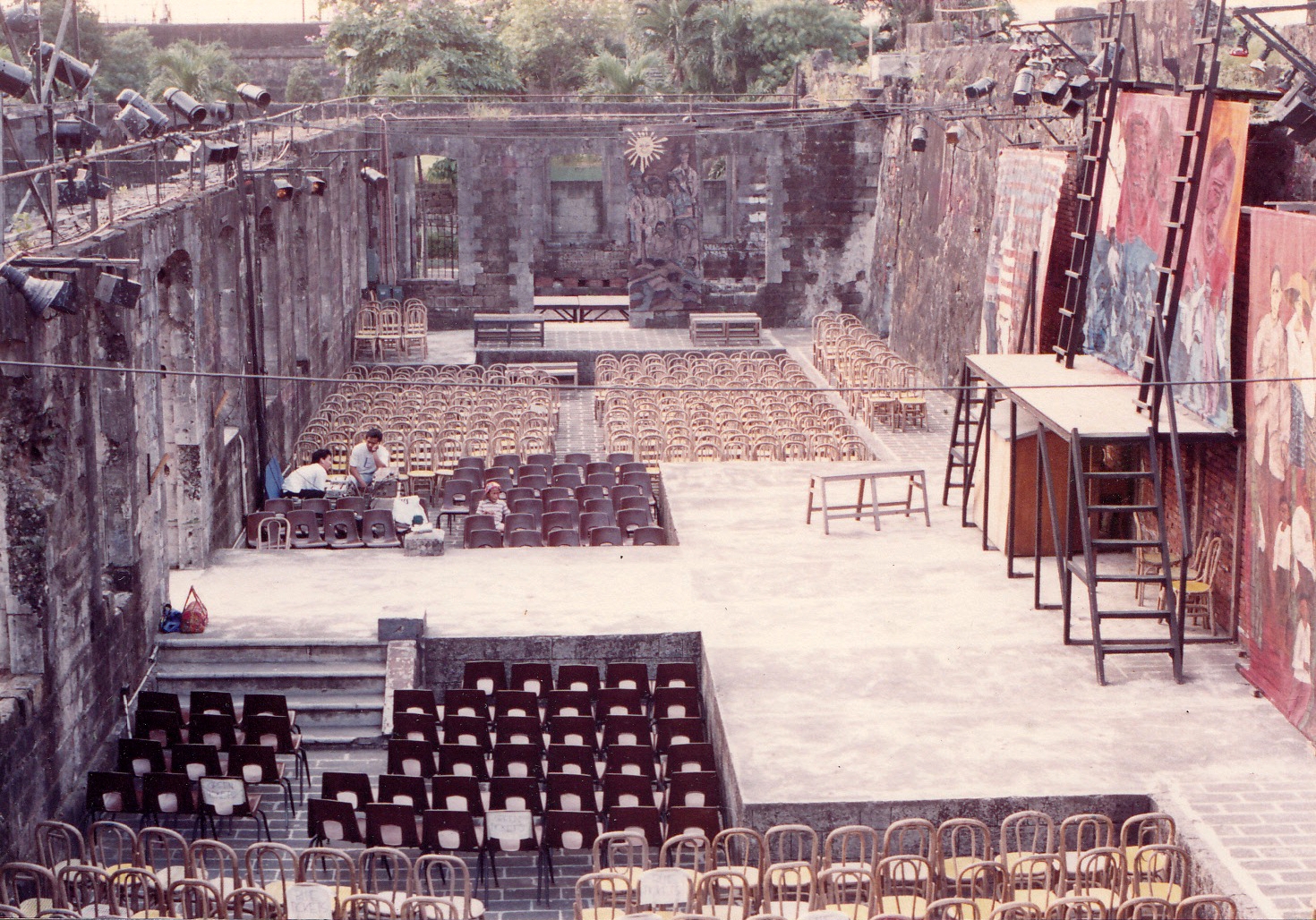
Rajah Sulayman Theater
-
Walang Sugat
First staged in 1898, Walang Sugat is a zarzuela written in Tagalog by the playwright and revolutionary Severino Reyes. It depicts the struggle for independence from Spain through separated lovers.
-
CCP
In 1965, presidential candidate Ferdinand Marcos’ wife, Imelda Marcos, expressed her desire during the election campaign to build a national theater. The following year, The Cultural Center of the Philippines was established, and the theater building was completed in 1969. It includes the Main Theater (1,821 seats), the Little Theater (421 seats), and the Batute (250 seats).
-
Imelda Marcos
Imelda Marcos was the wife of Ferdinand Marcos, who ruled the Philippines under a dictatorship until the People Power Revolution in 1986. She is also the mother of current president, Bongbong Marcos, who was inaugurated in 2022. Although she supported the arts with initiatives such as founding the Philippine High School for the Arts (PHSA), she is also widely known for her extravagant lifestyle, including her extensive shoe collection.
-
Repertory Philippines
Repertory Philippines was founded in 1967. Its first performance was staged in Tagalog. However, it is said that the company later began staging works in English because the cohort who could afford to attend the theater tended to prefer English-language plays, and the company struggled to attract audiences.
-
Intramuros
Intramuros refers to the fortified city built by Spanish governor general López de Legazpi in 1606. It is located in the center of Manila and was reduced to ruins by intense fighting during World War II between American and Japanese forces.
-
José Rizal
José Rizal is considered a national hero of the Philippine Independence Movement, known for his novel Noli Me Tangere. He was arrested by Spanish authorities and executed in 1896, at 35 years of age.
Times of mutual influence—comparison across theater worlds
Because in the Philippines we have very limited resources to begin with, we have learned from our exchange partners and maximize those relationships. I also gained many insights at the 2025 YPAM (Yokohama International Performing Arts Meeting). For example, there are performances in Japan that surprised me with how they operated with only the most minimal elements. It made me realize, “This is all you need for theater!” Our attention is constantly pulled into the direction of securing funding, which can lead us to make things bigger, as spectacle. However, since we have our own theater as well, it made me think about returning to a simpler, more experimental spirit.
-
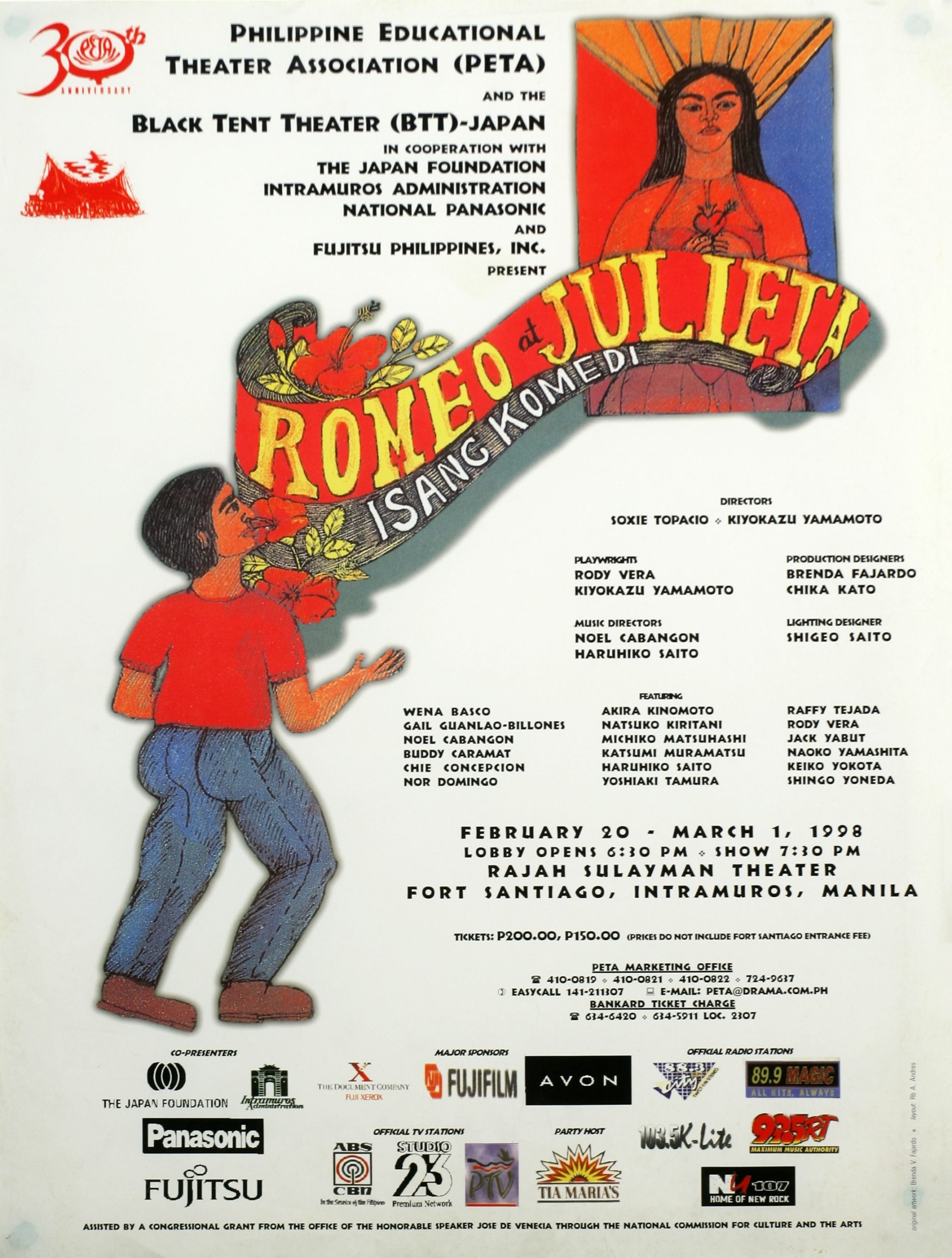
PETA and Black Tent Theater’s joint production of ROMEO AT JULIETA: ISANG KOMEDI (1998).
I have personally been deeply moved by how Filipino artists get creative with limited resources. Even when sudden rainstorms stopped performances mid-way, they kept a playful spirit and enjoyed that time and space. Do you think that this kind of mindset was pioneered by PETA?
At PETA’s workshops, we incorporate a playful spirit, and place value on moving our bodies and experiencing joy. We also advocate the “Gold Mine Theory,” which holds that everyone possesses skills and talent. There’s no need to compare yourself to others. Any movement that you make can be considered creative, and by combining our individual elements, we mutually complement one another. We also make a point of creating a safe space for creation and ensuring that we do not harm others.
However, the influence of the American occupation has made English terms a part of our daily lives, with English, Filipino languages, and Taglish (a combination of Tagalog and English) mixing and existing alongside each other. Tricycle taxi drivers, for example, can also speak English, even if not entirely fluently. There are also people who acquire English through social media. And in the capital Manila, you rarely see performances being staged in pure Tagalog.
In any case, what we must first confirm is who we are trying to communicate with. It is important that the art you create is understood by the audience you have in mind. There are times when we use experimental or abstract methods of expression, but it is important that this does not end up as unilateral self-expression—that we try to make it a two-way exchange.
-
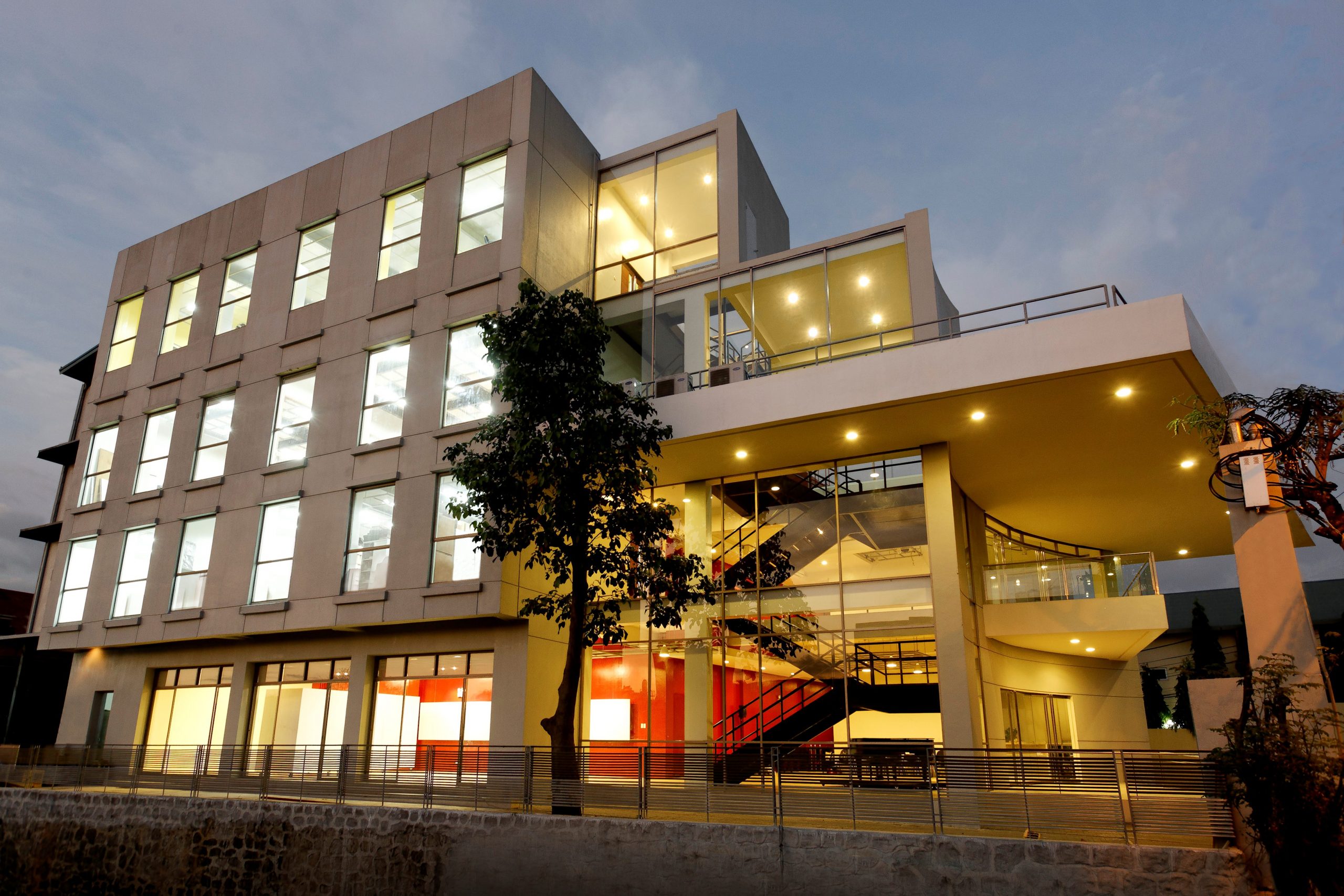
PETA’s current facility
-
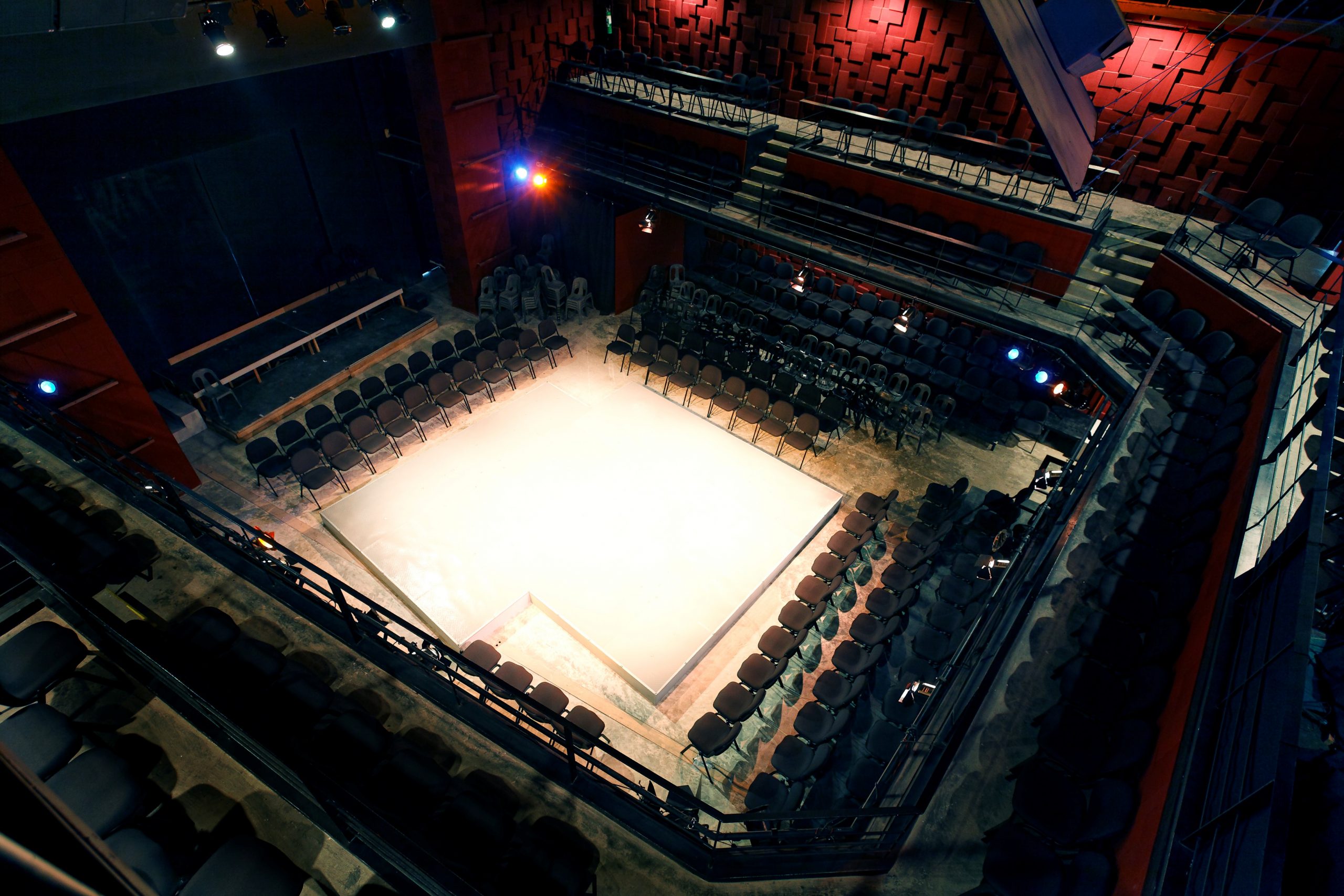
PETA’s current facility
Performing Arts in the Philippines now
After COVID, what is the current landscape of performing arts in the Philippines?
Many small independent theater companies and groups have emerged, and existing groups are staging a wide range of productions, from musicals and classical plays to experimental works and pieces that use Bekimon, a language of the gay community. Theater adaptations of films have also become popular, to the extent that it could be said they were among the first things everyone did after the pandemic. There are also many works invited from abroad.
These movements after COVID were referred to as “revenge theater,” and people are still eager to do theater, feeling that the time is now. That also means the competition is tough, but from the audience’s perspective, the range of works to choose from has increased, and regardless of the scale of the production, there truly are many interesting works currently being staged.
-
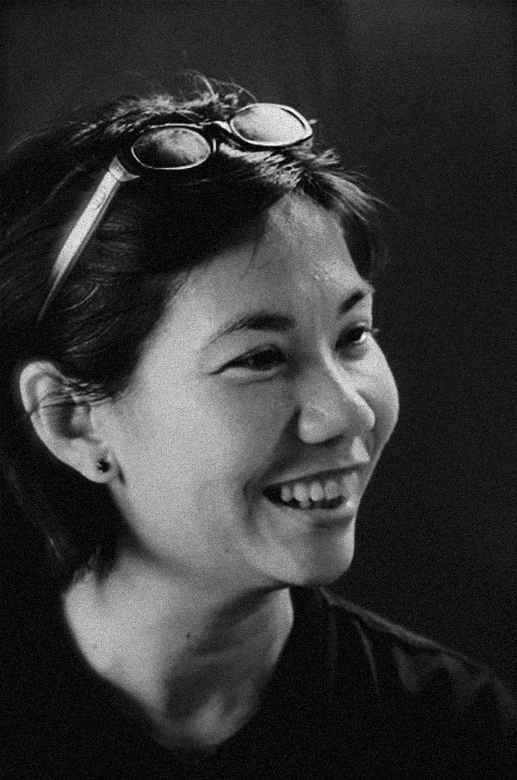
Maribel Legarda
-
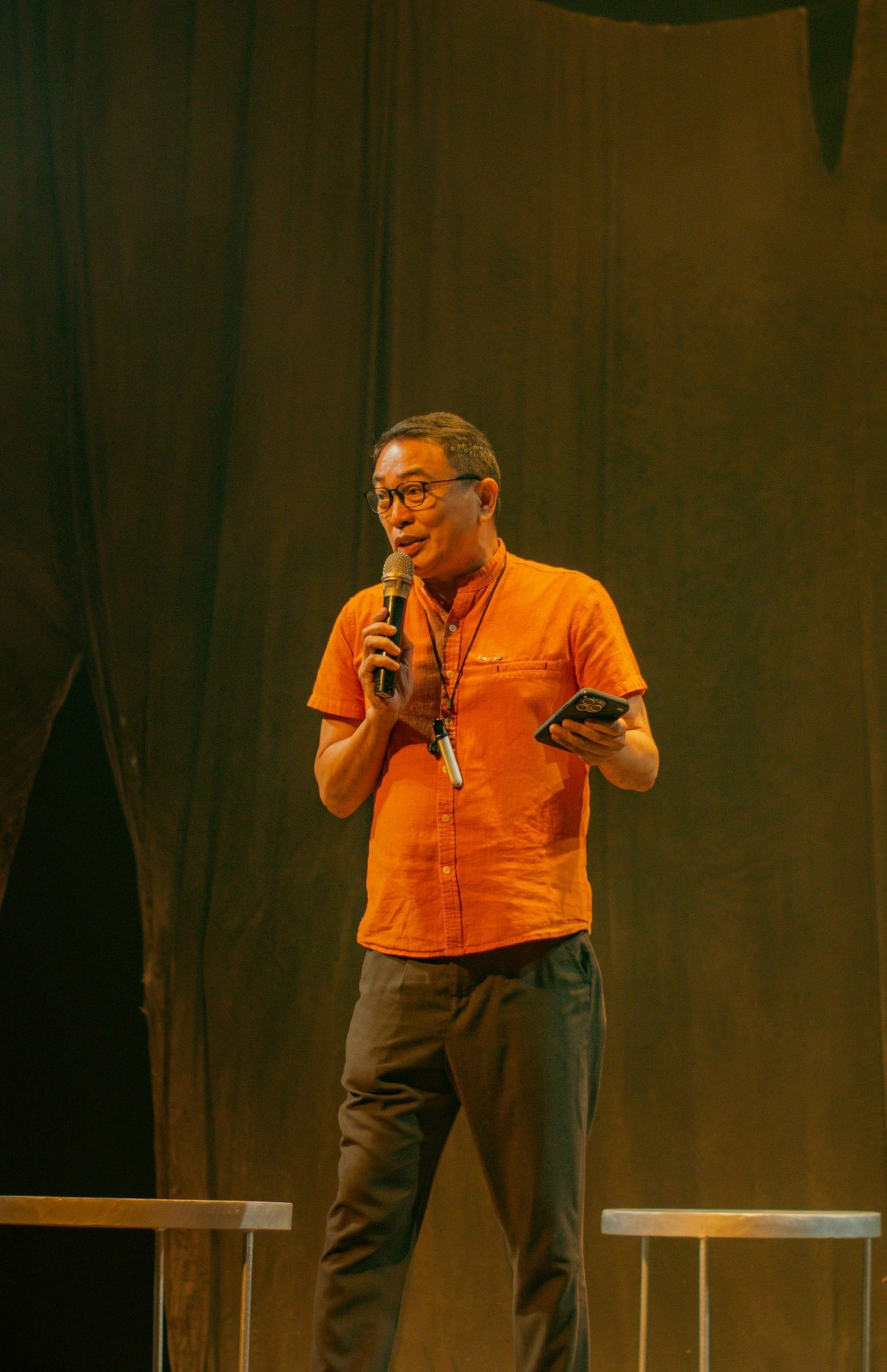
Melvin Lee
At CCP, there is a tradition of festivals, including Virgin Labfest, which presents new works, and Pasinya, which is dedicated to staging short works of around 15 minutes by emerging groups.
PETA also organizes a festival every July called Changing Narratives, which aims to offer alternative readings of the dominant narratives around us. For example, Rak of Aegis, a work directed by Maribel Legarda, whom I mentioned earlier, is set in a community stricken by floods. However, it does not depict the residents as poor victims, but positively re-reads them as people who bring things into existence. The audience is encouraged to see them as agents of hope.
PETA not only creates theater for the people, but also emphasizes theater with the people. It’s only our third year running the festival, but we plan to continue it. I would also love to collaborate with people in Japan too, and search together for the narratives that surround us.
-
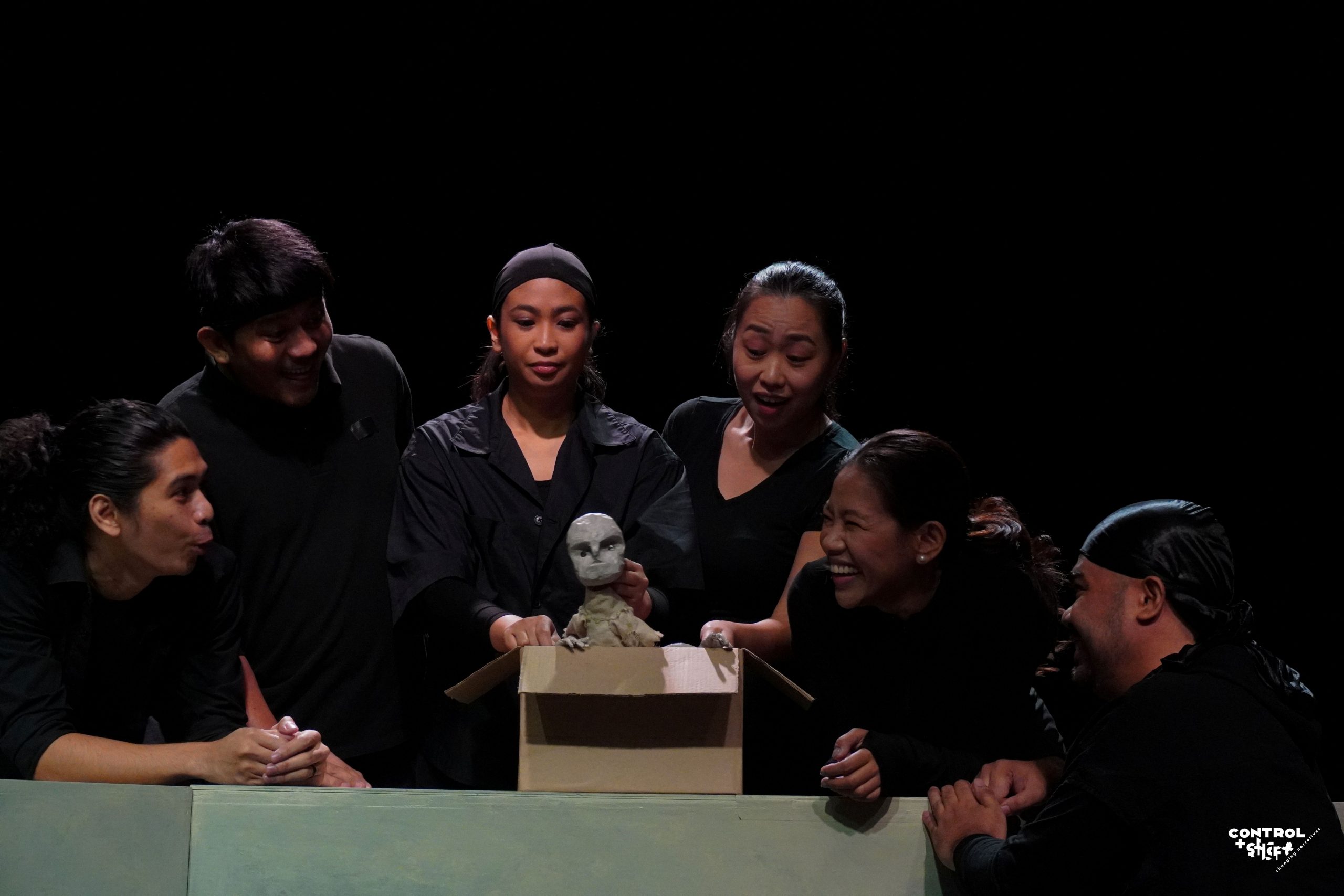
From Changing Narratives ⓒ Beatrice José
-
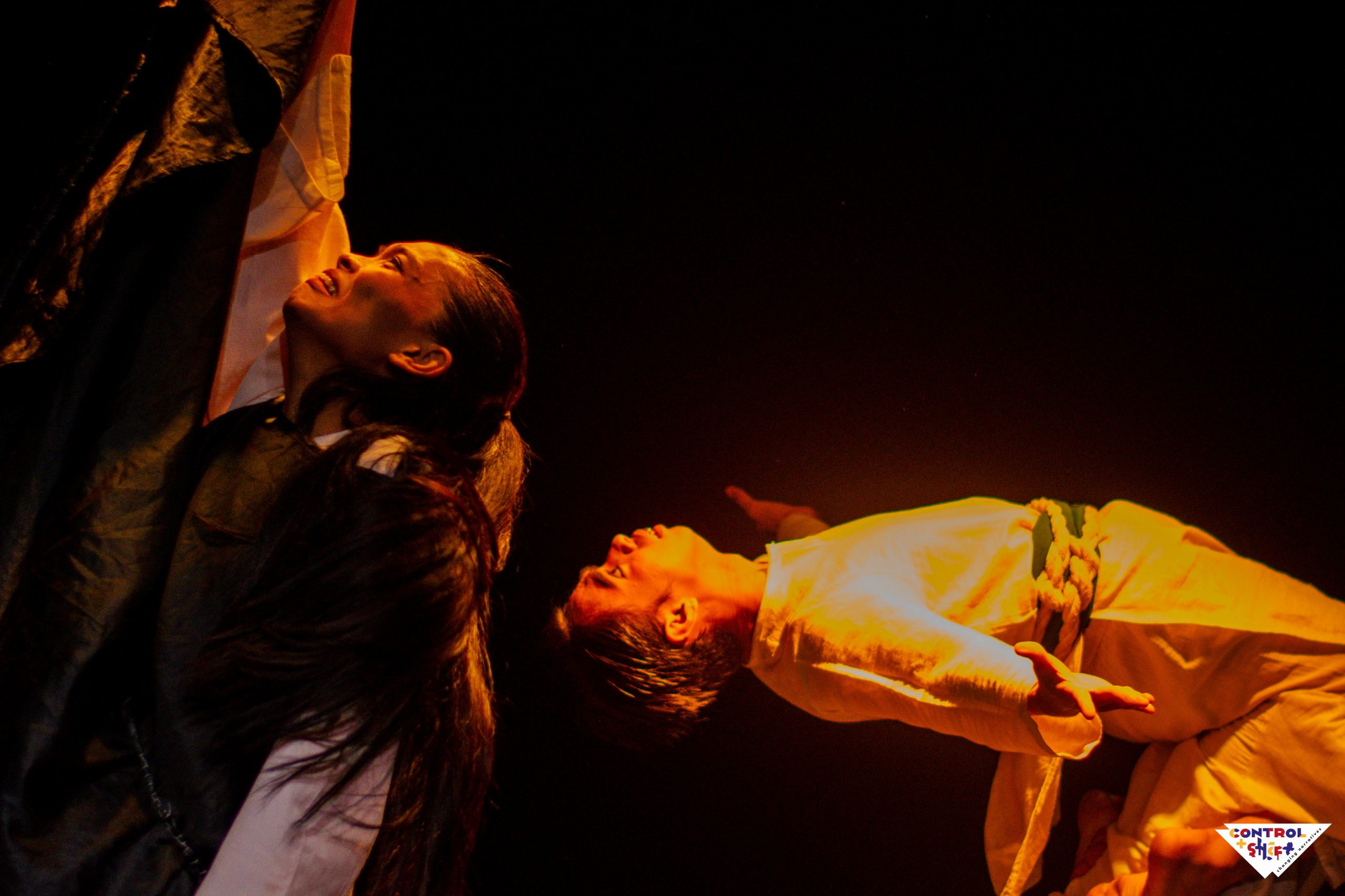
From Changing Narratives ⓒ Marc Lozano
-
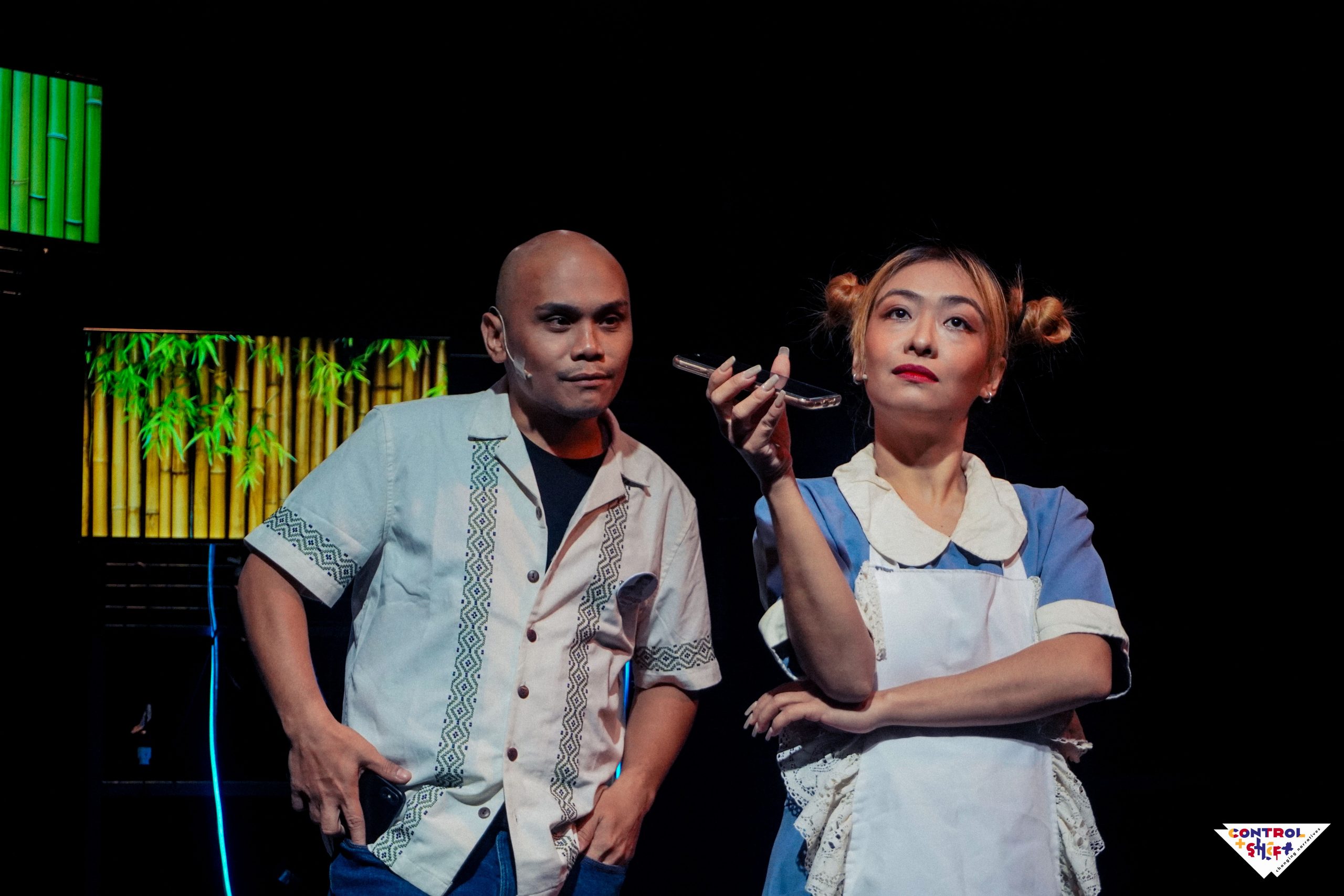
From Changing Narratives ⓒ Beatrice José
-
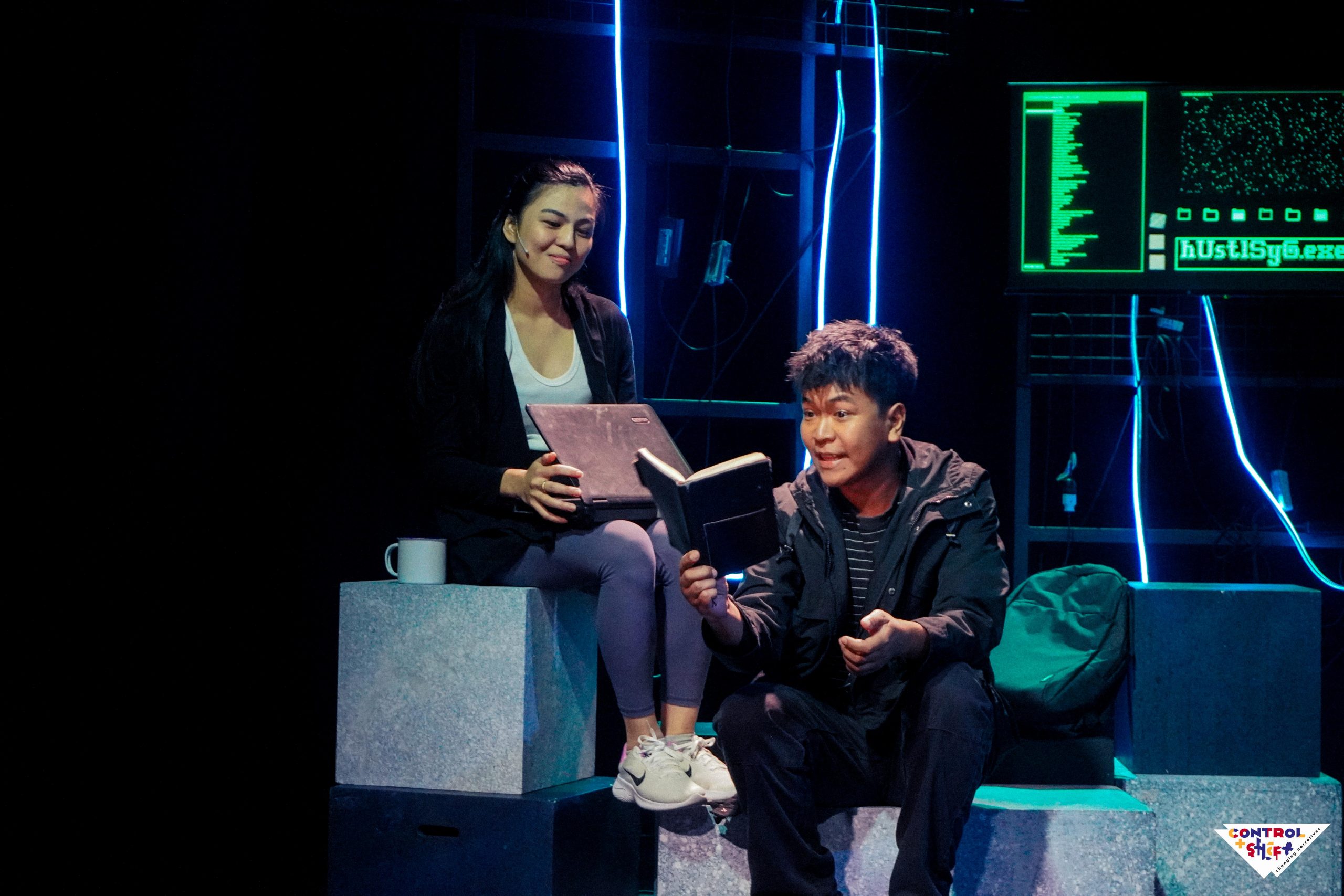
From Changing Narratives ⓒ Beatrice José
-
Setagaya Public Theater
Setagaya Public Theater was opened in 1997. For more on its relationship with the Philippine Educational Theater Association and how it came to value theater workshops, see the report by Asami Nakamura below.
https://setagaya-pt.jp/bf2022/lecture/archive/archive_c_2010_03_01.html -
Cordillera Green Network
Mariko Sorimachi founded Cordillera Green Network in 2001 in Baguio. Based in the Cordillera region of northern Philippines, the organization works on environmental conservation and improving the lives of Indigenous peoples through theater workshops and other initiatives. These activities are carried out in cooperation with actors such as Setsu Hanasaki, who are familiar with the development of Black Tent.
-
Ian Segarra
Segarra’s work, Walang Aray, a translation of Walang Sugat, was staged at PETA as the first theatrical production after the pandemic. It won in eight categories at the 14th Gawad Buhay Awards, with Segarra winning Outstanding Stage Direction for a Musical. Recently, he has been involved in ongoing collaborations with Keiko Yamaguchi/BRDG, including the work Sari-Sali Portal Cafe.
-
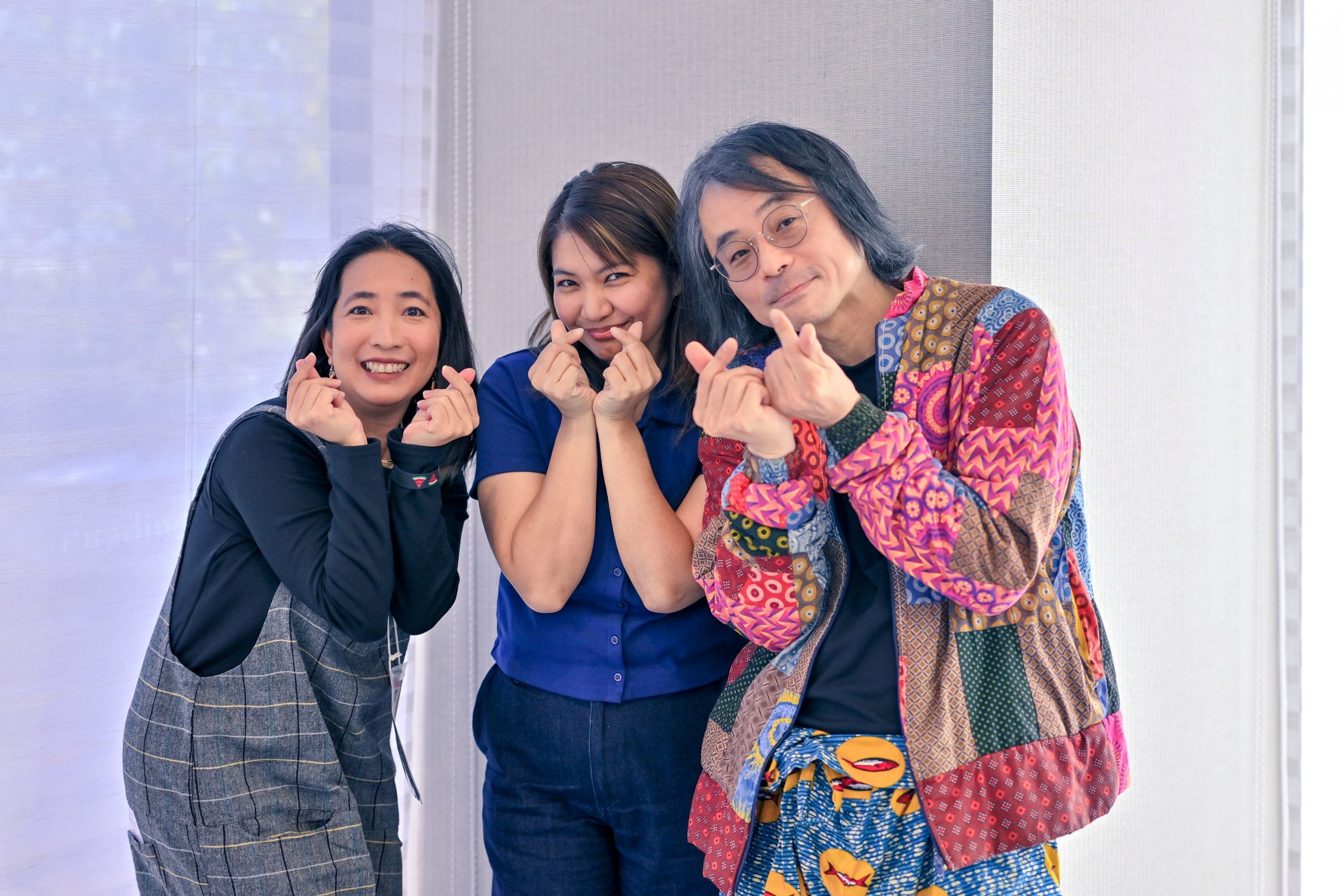
From left: Alison L. Segarra (The Japan Foundation, Manila), Icee Po, and Chikara Fujiwara.