


Mirai Moriyama
Rediscovering Kobe—Building a Creative Space to Connect Through Art
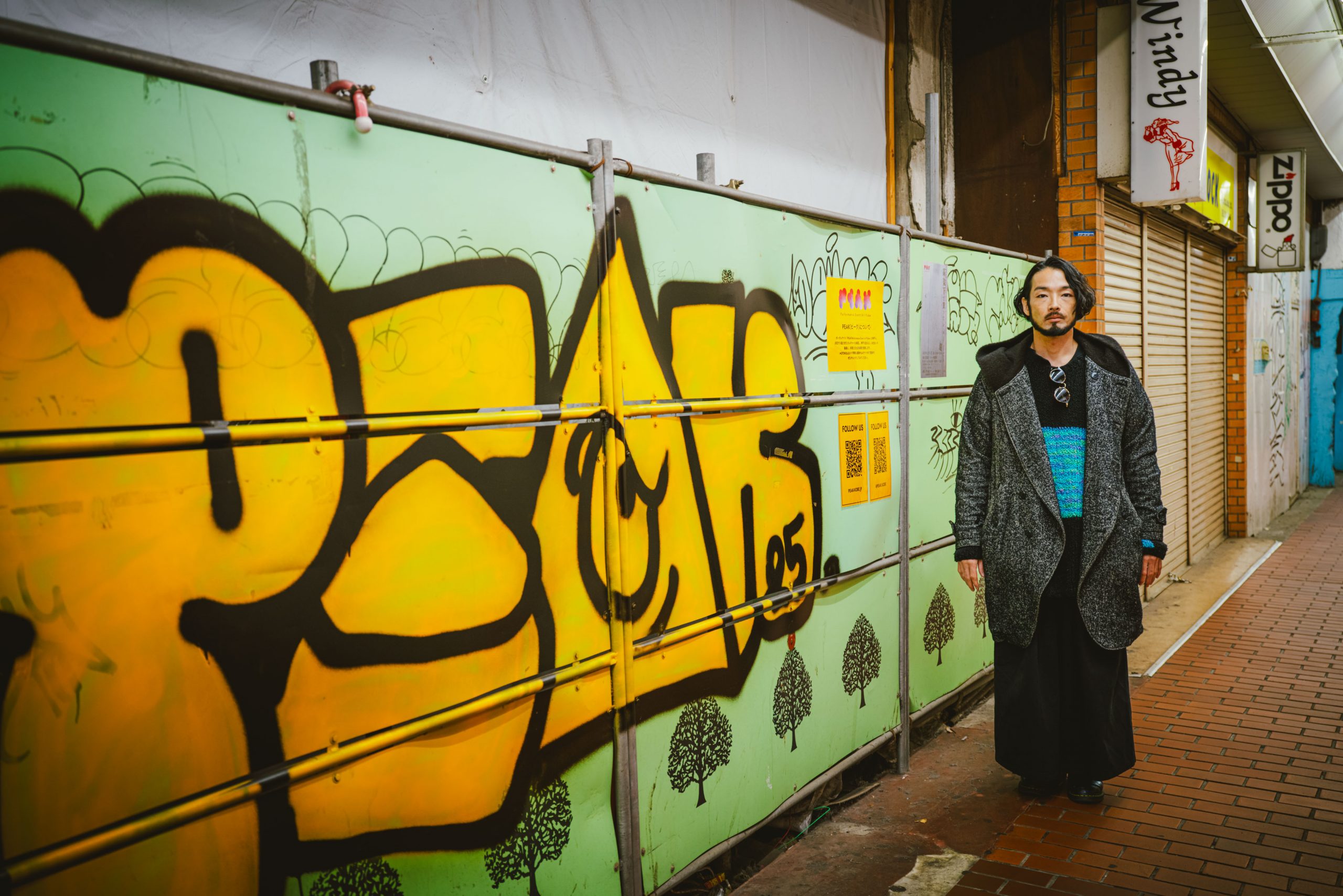
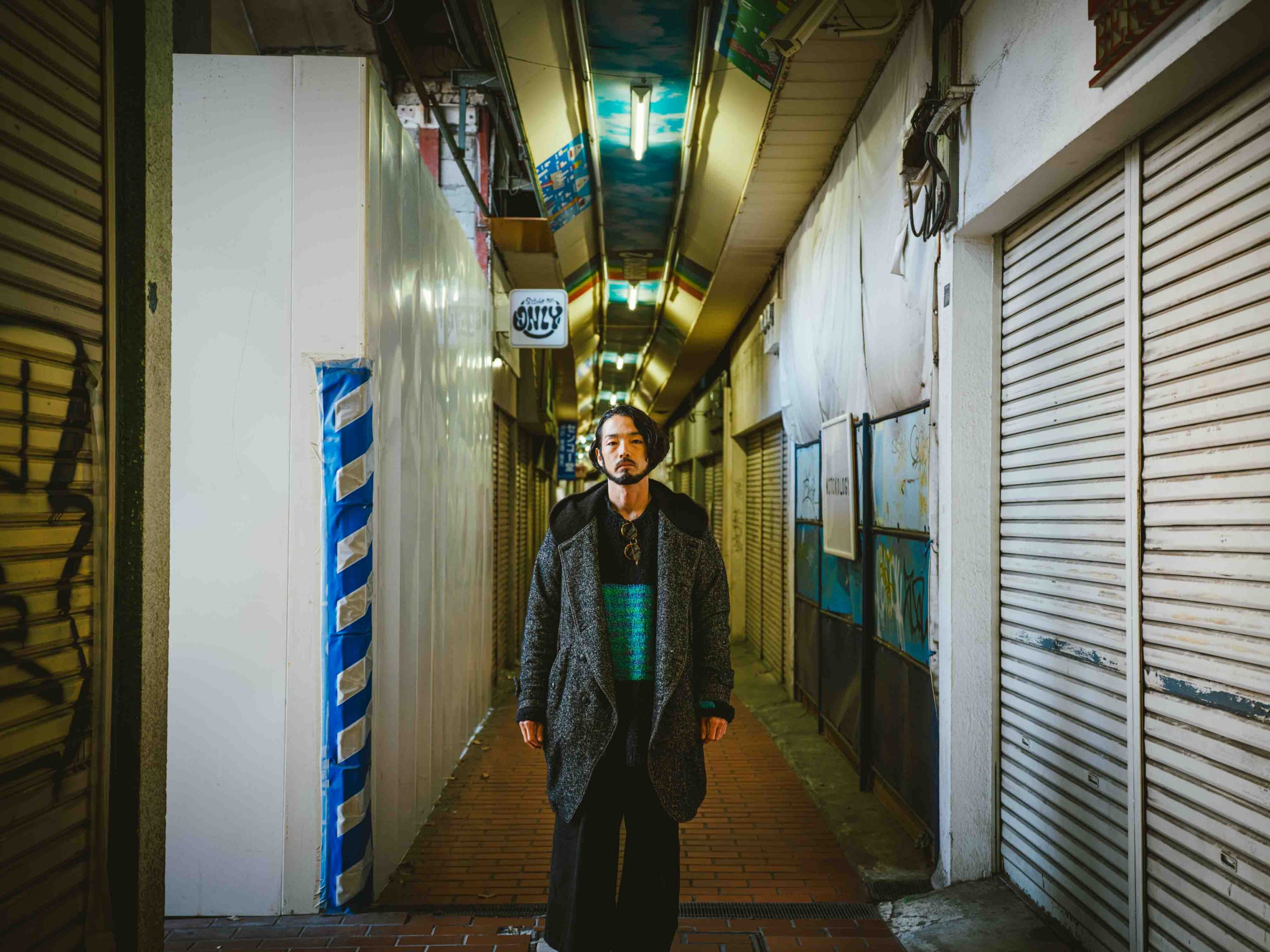
Photo: Junpei Iwamoto
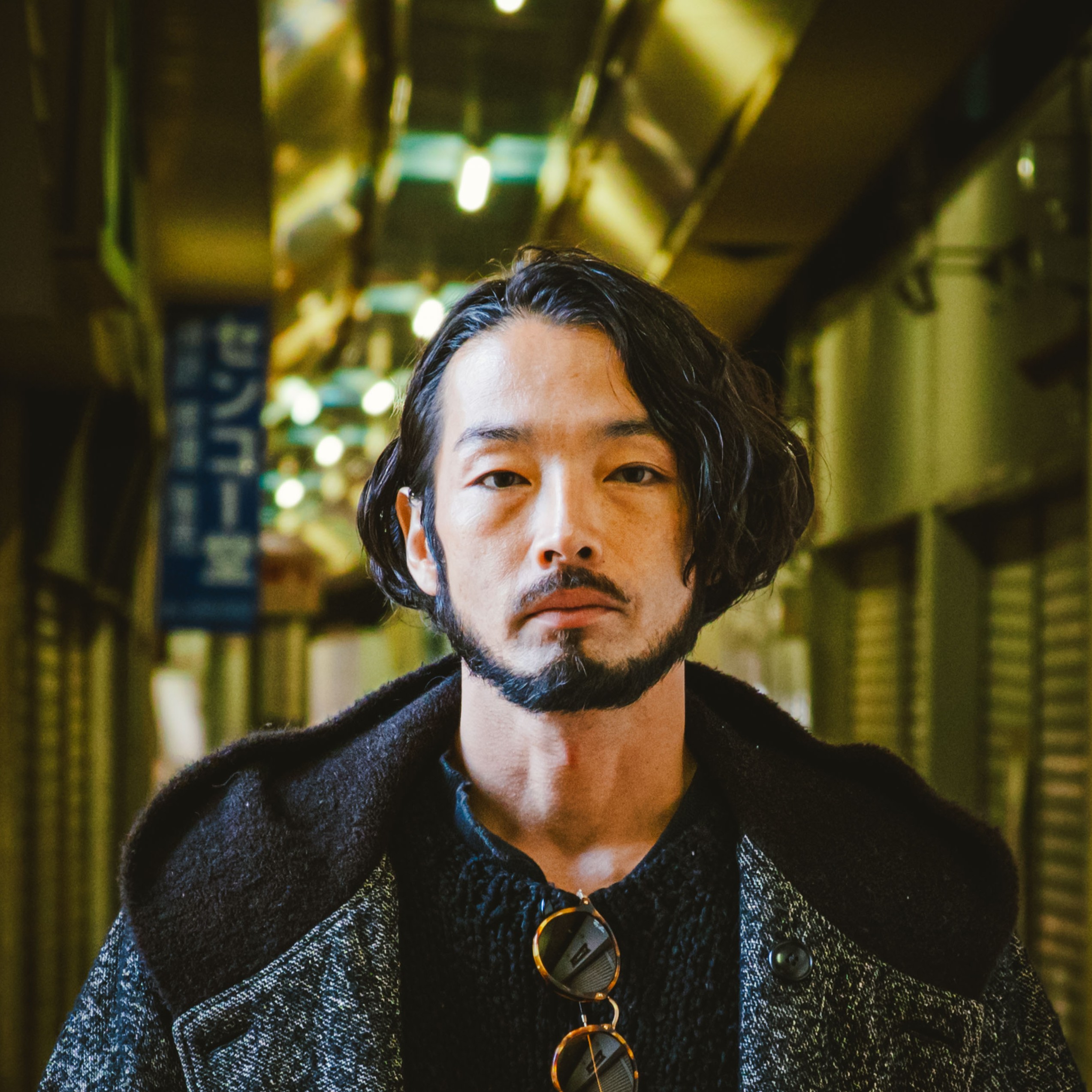
Photo: Junpei Iwamoto
Mirai Moriyama
An actor and dancer, Mirai Moriyama was born in Hyogo Prefecture in 1984. He began studying various dance genres at age five and made his professional stage debut at 15. He is active in theater, film, and other media. In 2013, he resided in Israel as a Cultural Ambassador appointed by the Agency for Cultural Affairs. A rare artist who masterfully combines acting and physical expression, he has collaborated extensively with leading international creators. In 2022, he co-founded Artist in Residence Kobe (AiRK), which he co-manages, while also participating in various art projects as a director and curator.
Having gained recognition as a performer early on, Mirai Moriyama now works around the world. With an overwhelming sense of presence, yet moving as freely as wind or water, he advances with confidence as he carves out his own path. In recent years, it is in Hyogo Prefecture, and Kobe1 more specifically,1 that Moriyama has established “another base.” He has been helping to cultivate the city’s creators, artists, and culture, while assuming various roles himself, from director and producer to curator. Kobe is now more than his place of birth—he has rediscovered it as an amenable creative environment. We asked him about how he has built various relationships there through art.
Interview and text: Rei Kumai
The mental and physical distance between Kobe and dance in his 20s.
- You are originally from Kobe, and your career got going properly when you were 15 years old. Your work took you to Tokyo, for the most part. What was your impression of the capital?
- It’s true that my career began in earnest when I was 15, but actually I had already been going to Tokyo since I was about ten. I’d go there for stage rehearsals and performances, and I’d take lessons at studios while I was there. So I figured that going to Tokyo would give me more opportunities, and that if I wanted to do this kind of work, I’d have to go there, so that’s what I did.
- After setting yourself up in Tokyo, was there a sense of distance from Kobe?
- During my teenage years in Kobe, I spent my time at my parents’ dance studio, an environment where I knew everyone, the teachers and all the students. I learned a range of dance styles there, but I couldn’t choose just one. In my early 20s, after having performed with other members of the studio, I had this sense of having done everything I could there, and my connection to Kobe faded.
- At around the same time, you were attracting a lot of attention for your performances in a number of widely discussed productions, like the 2004 film Crying Out of Love, In the Center of the World; the 2006 television drama Our War; and on the stage with Gekidan Shinkansen, and your acting work never let up. Was there a conscious decision to distance yourself from dance at that stage?
- As theater and film came to occupy more of my schedule, that left less and less time that I could devote to dance. It was clear even to me that the quality of my dance was declining as a result, and I faced a dilemma in terms of how to approach that side of my work. I think there was a period of about four or five years when I was physically and mentally unable to give dance my full commitment.
- In 2010, you appeared in NHK’s Hanshin Awaji Daishinsai2 15 nen tokushū dorama sono machi no kodomo [The Great Hanshin-Awaji Earthquake—15th anniversary special drama, the children of the city]. I wonder whether that might have brought that fact that you’re an artist from Kobe back to the forefront of a lot of people’s minds.
- The earthquake… I was in the epicenter and experienced it firsthand, but we didn’t suffer any major damage. I was only ten at the time, so my real memories of Kobe as a city are actually of the streets after rebuilding. So I had this strong sense of being both a part of it and not a part of it. The drama Sono machi no kodomo came out of repeated, diverse exchanges, and was sparked by my past involvement narrating earthquake-related programs. It was also precisely at that point in time that I came into contact with people espousing the approach referred to as contemporary dance, which was a major turning point for me. In 2010, I was invited to participate in Fujōri no tenshi [Angel of absurdity] and Supēsu 4.5 [Space 4.5], as part of NPO DANCE BOX’s Revival/Yazaki Takeshi project (①). I hadn’t known that there was such a welcoming dance center operating in Kobe, so I remember being genuinely surprised, and moved.
-
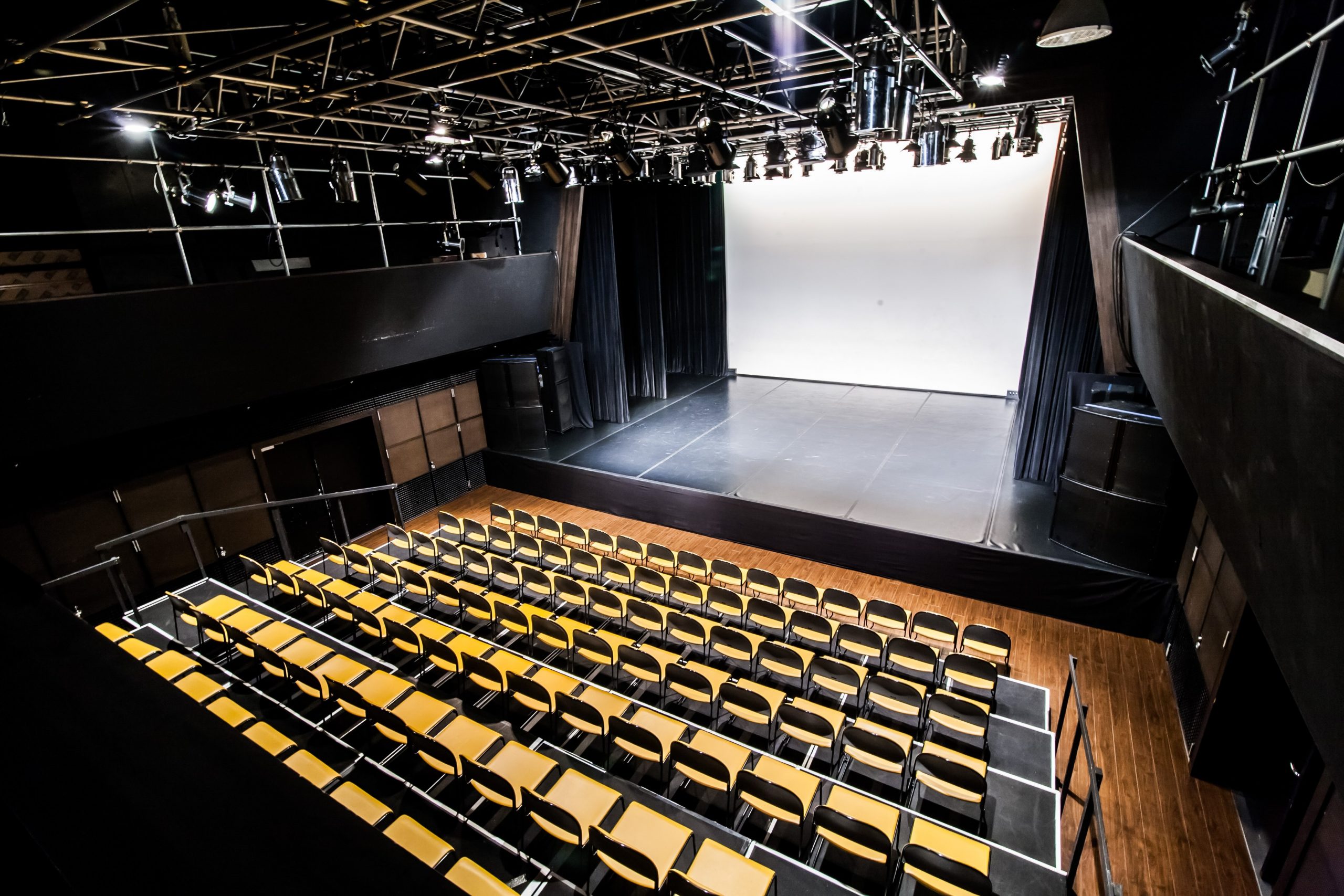
①NPO DANCE BOX
A studio founded by dance producer Atsushi Ohtani, who passed away in 2025. Established in Osaka in 1996, it relocated to Shin-Nagata, Kobe in 2009. Centered on contemporary dance, it nurtures young dancers, runs children’s programs, and hosts artist-in-residence projects with both domestic and international artists. It also operates the ArtTheater dB KOBE.
NPO DANCE BOX
Going overseas to focus on physical expression
- In 2012, you performed in TeZuKa, choreographed by Sidi Larbi Cherkaoui, and in 2013 you appeared in the musical The Cat That Lived a Million Times, for which Inbal Pinto and Avshalom Pollak were responsible for direction, choreography, and costume design. Both works were physically demanding. Then, you spent time in Israel the following year as a Cultural Ambassador appointed by the Agency for Cultural Affairs.
- I really wanted to make sure to set aside some time to focus once more on physical expression while still in my twenties, and I’d decided ahead of time that 2013 would be the right period for that.
- What prompted that desire to focus on physical expression again?
- Meeting Tomohiko Tsujimoto, the choreographer for the Japanese version of the musical RENT that I performed in 2008, was a big part of it. Meeting him was such a shock, it shattered the preconceived notions that I had, such as my thinking about which dance style to choose, which I mentioned earlier. At the same time, my interest in contemporary dance intensified, and I wanted to use the Agency of Cultural Affairs’ Cultural Ambassador system to go overseas, but it looked like it would be difficult to spend time with Larbi [Cherkaoui] in Antwerp, which I’d originally been sounding out, because he was so busy. So I decided to bed in with Inbal and Avshalom’s company,3 based in Tel Aviv, Israel. I didn’t have any particular attachment to Israel at the outset, but looking back on things now, I’m glad that I ended up spending time with them there. Inbal deals with choreography, costumes, and set design, and Avshalom handles sound and dramaturgy. The narratives that emerge are the product of the balance achieved by the pair, and although the work is highly abstract, it wasn’t simply about creating a so-called dance performance. There was something very satisfying about the fusion of dance with theatricality.
- You had already thoroughly trained yourself in dance, so what was the main impact that joining Inbal Pinto’s company had on you?
- Ultimately, dance is a cycle of deconstruction and reconstruction… Having the ability to execute technically difficult movements is, of course, fantastic, but I think the most important thing is how you carry yourself in that space for the duration of a performance. That’s something that I really learned from my time there. Also, for the entire year I had this feeling that I had to be thoroughly aware of my own uniqueness as an Asian person, as a Japanese person.
- Is that sentiment what led to your work with the post-Butoh dancer Akira Kasai?
- I was interested in Butoh before going to Israel, but I’d never explored it in any depth. But I found my attention drawn to how there’s a difference between how Butoh is discussed in Japan versus overseas. In Japan, Butoh has something of an underground image—for better or worse, it feels untouchable. But abroad, Butoh is recognized as one style of Japanese contemporary dance. In other words, I think that people like Kazuo Ohno, Tatsumi Hijikata, Dairakudakan, and Sankai Juku achieved something really significant, but they’ve been received very differently in Japan and overseas. That’s partly what got me wondering about what it really means to “know Japan.”
Kobe as “another base”
- You have continued to collaborate with a range of dancers, from Japan and abroad, after your return to the country in 2014. One has the impression that you’ve been jetting all over the world, working on all kinds of projects, but during the COVID-19 pandemic, you were involved in projects like Outside—an art film that saw cross-border collaboration, with Etgar Keret and Inbal Pinto—and PLAYTIME / PRAYTIME—a livestreamed work composed and directed by Tetsuya Umeda.
- Actually, even if it hadn’t been for the pandemic, I’d been wanting a base outside Tokyo for a while. I’d wanted to go to France or somewhere around there, but the pandemic put a stop to ideas like that. Another major event for me was my appearance in the Opening Ceremony of the Tokyo 2020 Olympic Games.4 I put everything I was feeling at that time into my performance, so I don’t have any regrets, but I just didn’t want to stay in Tokyo. And coincidentally DANCE BOX approached me again around that time, and I ended up doing choreography for their 7th Domestic Dance Study Program.5 I also produced Formula, a collaborative performance with the Design and Creative Center Kobe (KIITO,②), and the film i ai, released in 2024 and filmed entirely in Hyogo Prefecture. So, a few projects took me to Kobe, and I left Tokyo.
-
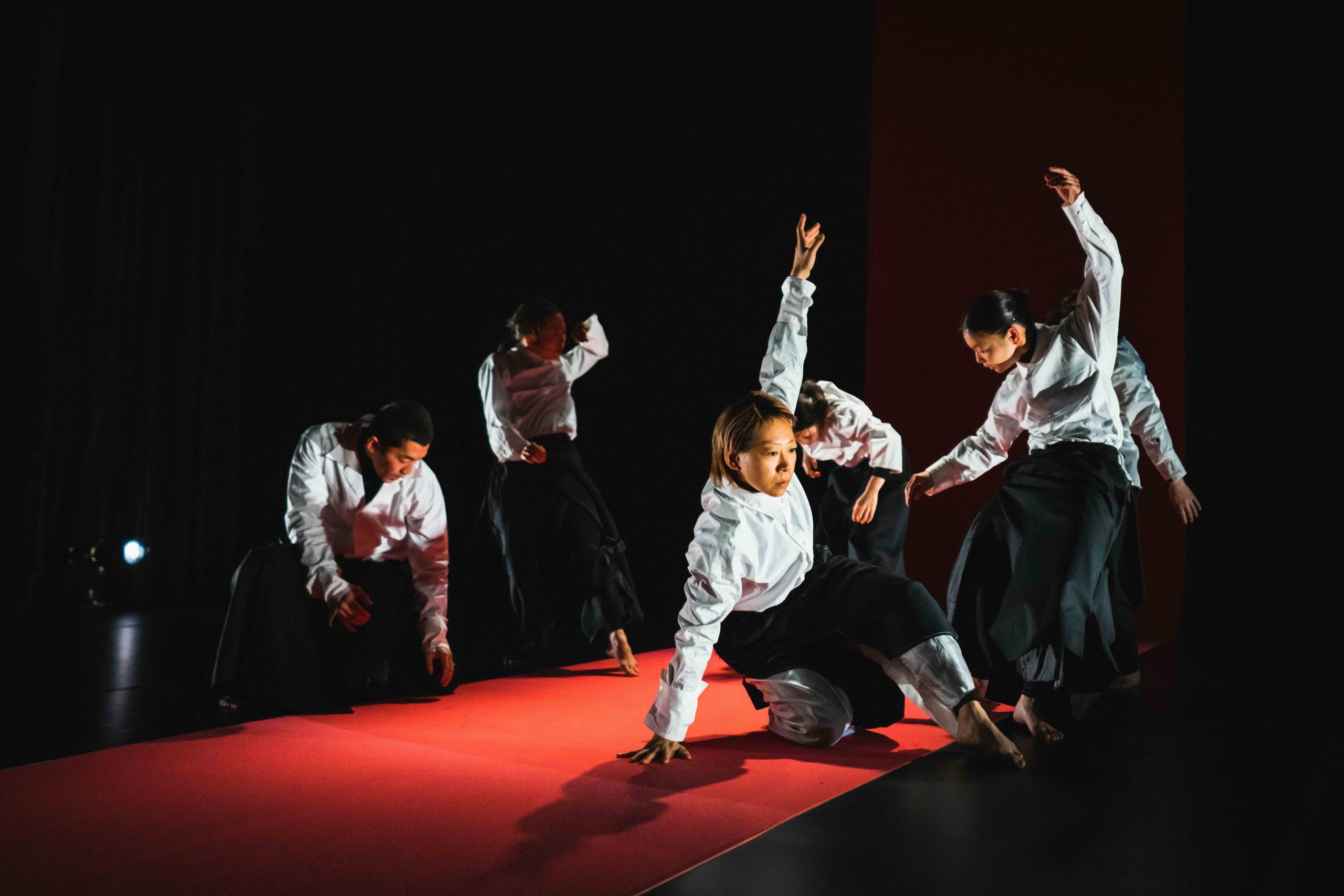
A piece choreographed for DANCE BOX “Domestic Dance Study Program” (7th Cohort)
Photo: Junpei Iwamoto
-
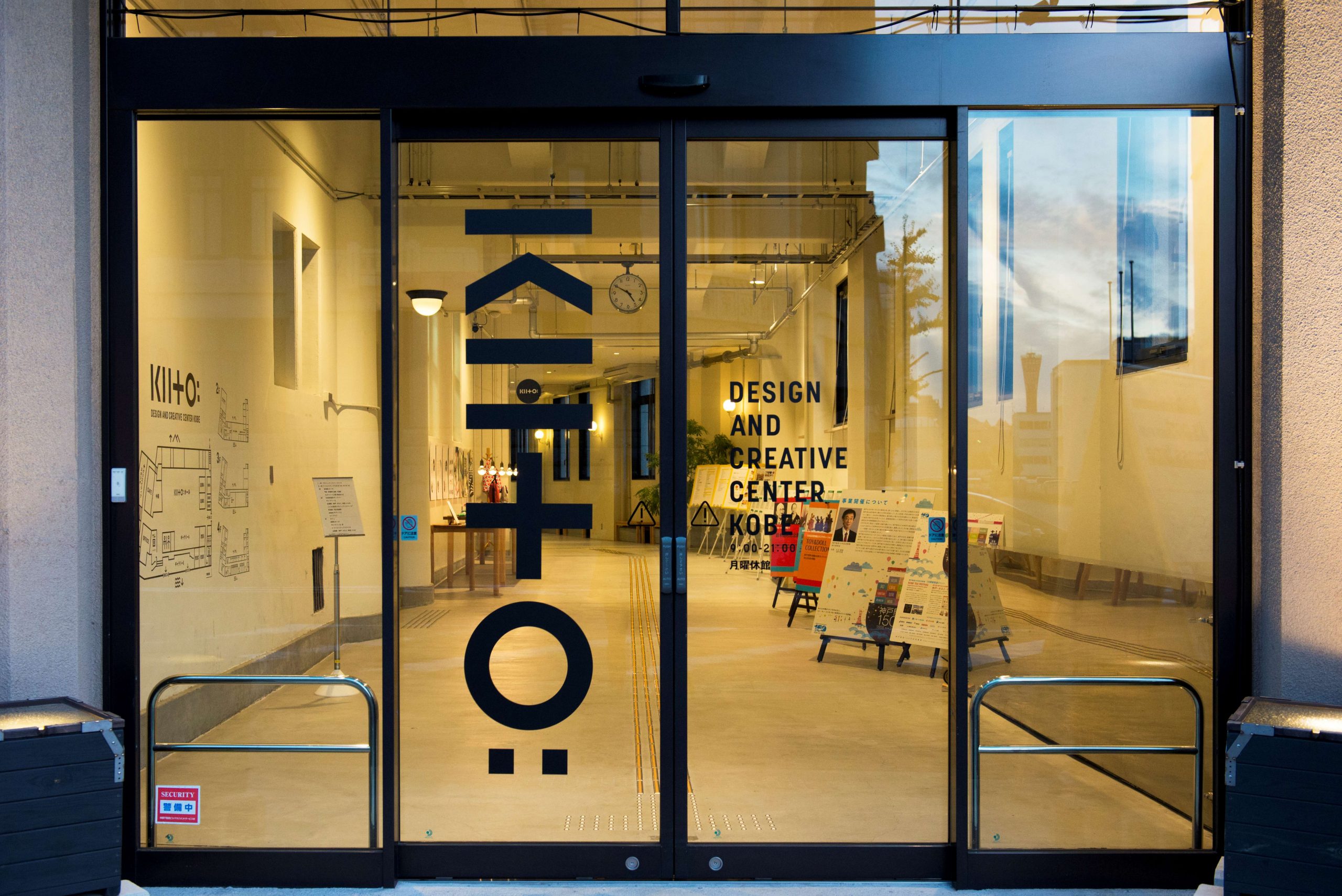
②Design Creative Center Kobe (KIITO)
A hub facility for Kobe City’s “City of Design Kobe” initiative, renovated from the former raw silk inspection office on the ocean side of Sannomiya, Kobe. It hosts and implements programs related to design and art.
KIITO | Design Creative Center Kobe
Photo: KOBE TOURISM BUREAU
So, this is when your activities in Kobe really get going. My understanding is that you also conducted research in Kobe for your creative work. Were there any areas where you felt Kobe had unique potential?- Up to that point, I’d only ever thought of Kobe as a place to live, so I discovered all kinds of things. For example, I researched the layout of shrines and the locations of buried artifacts around Nagata for my choreography for DANCE BOX, and I noticed a relationship connecting the topography—land nestled between mountains and the sea—and the culture that developed in the region. This gave me a more granular understanding. The reason that I wanted to have a base somewhere was to have my own environment where I could take in inspiration from a range of sources and create works without having to rush. Revisiting Kobe with that perspective, I saw it from a new angle, entirely separate from the mere nostalgia I had for it as my hometown.
Kobe’s fluid nature aligns with who he is
- Currently, a significant base for you is the Artist in Residence KOBE (AiRK,③) in Kitano, Kobe. Could you tell us about what prompted you to launch AiRK?
- In 2022, I stayed in Kobe during the creation process for FORMULA, and as someone who has experience in artist residencies, I felt it was quite challenging that there were no residency programs in the city. When artists and performers are invited to create, it’s not ideal to be living in a hotel that cuts daily life off from the creative process. Around that time, I was speaking with the former director of the Kobe Film Office, Mari Matsushita, whom I met through the film i ai. As I rather one-sidedly emphasized the importance of having a residency in Kobe, she was completely on board. From there, everything materialized at an astonishing speed [laughs]. It seemed that many people had wanted to establish a residency but hadn’t quite been able to bring it to fruition, so people started to join as members one after the other, and we were able to make it happen.
-
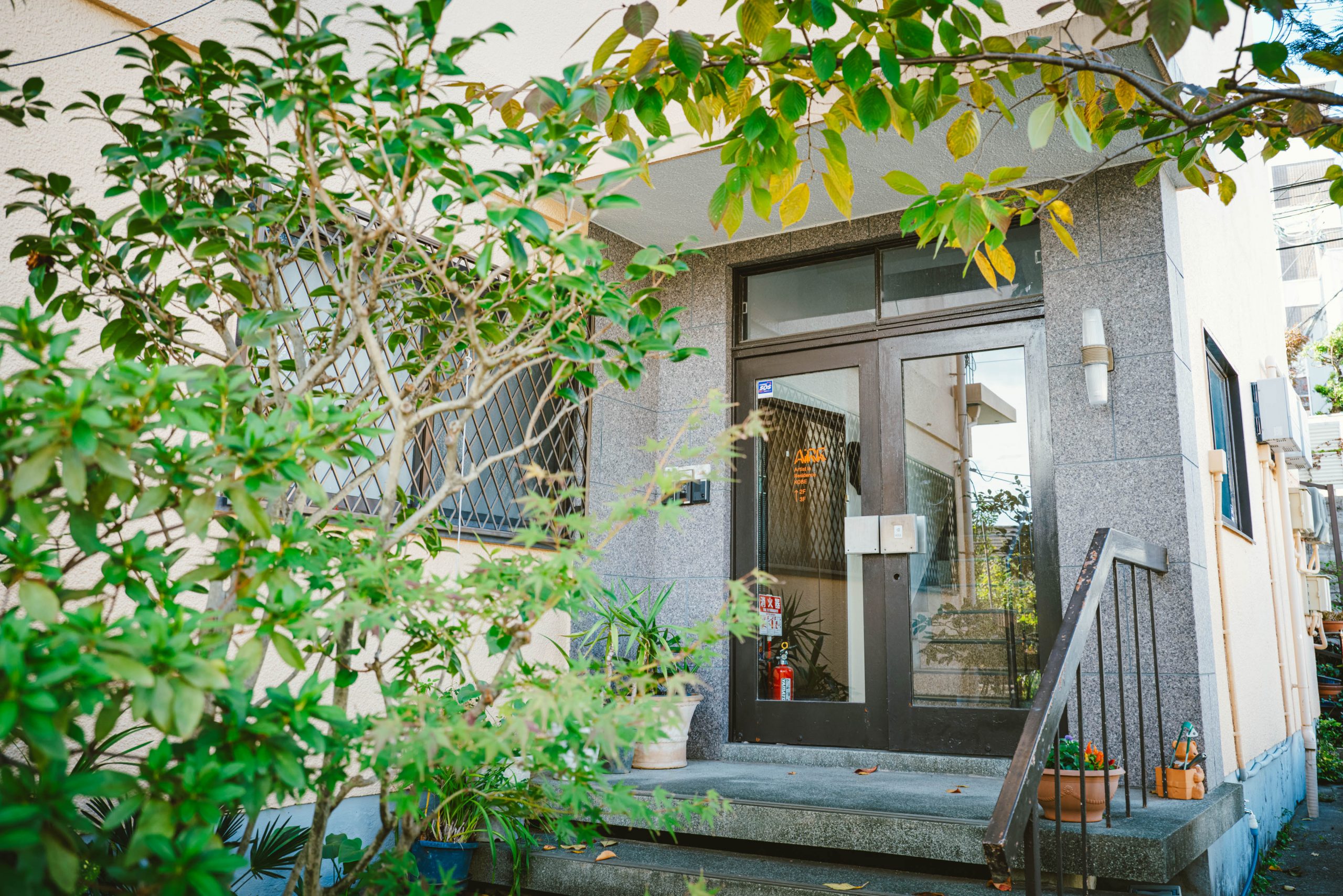
③Artist in Residence KOBE (AiRK)
An artist residency established in April 2022 by renovating a vintage apartment building in Kitano, Kobe City, Hyogo Prefecture. Operated by HAAYMM—a collective of volunteers active in Kobe, including Moriyama—it collaborates with various cultural facilities and organizations across the city. Through independent initiatives like AiRK Research Project, it supports domestic and international artists in creating and presenting work in Kobe. The residency program includes both invited artists and an open-call slots for applicants from Japan and abroad.
AiRK – Artist in Residence KOBE
- You’re part of various projects in Kobe as a staff member at AiRK. For example, you’ve curated the opening performances for Kobe Rokko Meets Art6 over the last three years, featuring renowned artists such as Daniel Proietto in 2023, François Chaignaud and Akaji Maro in 2024, and Miwa Yanagi in 2025.
- The participating artists at Kobe Rokko Meets Art used AiRK, and that connection is how we ended up working together. While it is quite challenging, each year we’ve had the honor of welcoming outstanding artists who present remarkable performances. I’m very grateful.
- You’re the director of the art project・MOTOKOLOGY (④) held in Motoko, under the JR Motomachi Station overpass.
- As an independent project at AiRK, we have the AiRK Research Project7 held every year at Rose Garden (⑤) and in 2024, we invited the artist Haruka Yamada, whose life’s work is to create sundials. While searching for a location in Kitano with a suitable wall to install a sundial, we realized Motoko could be a potential site. However, the project dates were approaching, so we couldn’t make it happen that time. Later, we encountered director and producer Keisuke Tamura, who submitted a proposal to JR West Japan for the project as one that would effectively utilize Motoko, and that’s how the project MOTOKOLOGY came to life. And I just kind of happened to become the director [laughs].
-
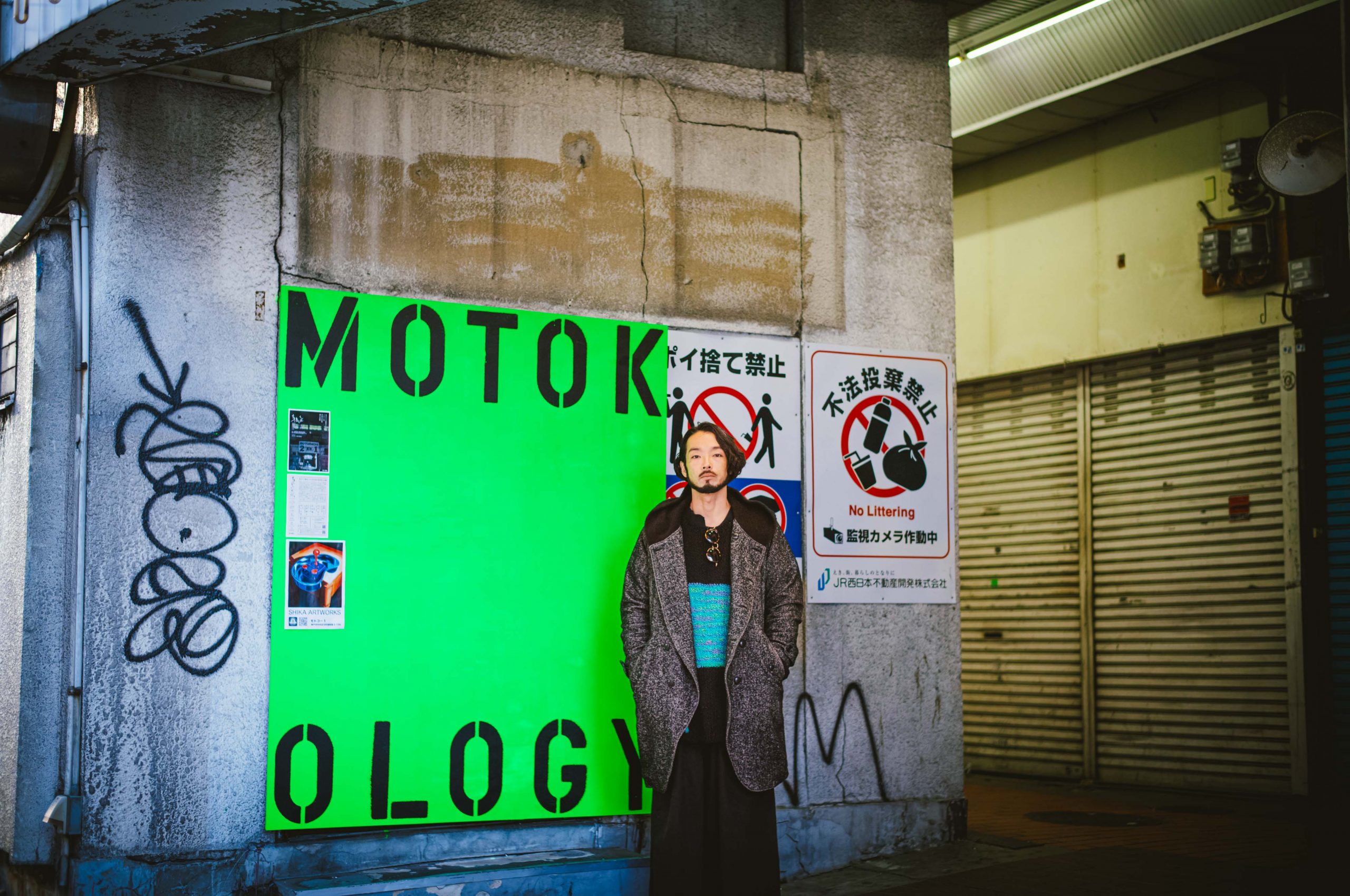
④MOTOKOLOGY
An art project running from July 2025 to March 2026 at the Motomachi Elevated Street Shopping Arcade—commonly known as Motoko—near JR Motomachi Station, which is scheduled for demolition and redevelopment. The project reexamines Motoko, a place where diverse cultures emerged from the postwar black market, while envisioning its future. It involves participation from Kobe’s industry, government, academics, and citizens to organize various projects and events featuring invited artists.
MOTOKOLOGY 2025 Website
-
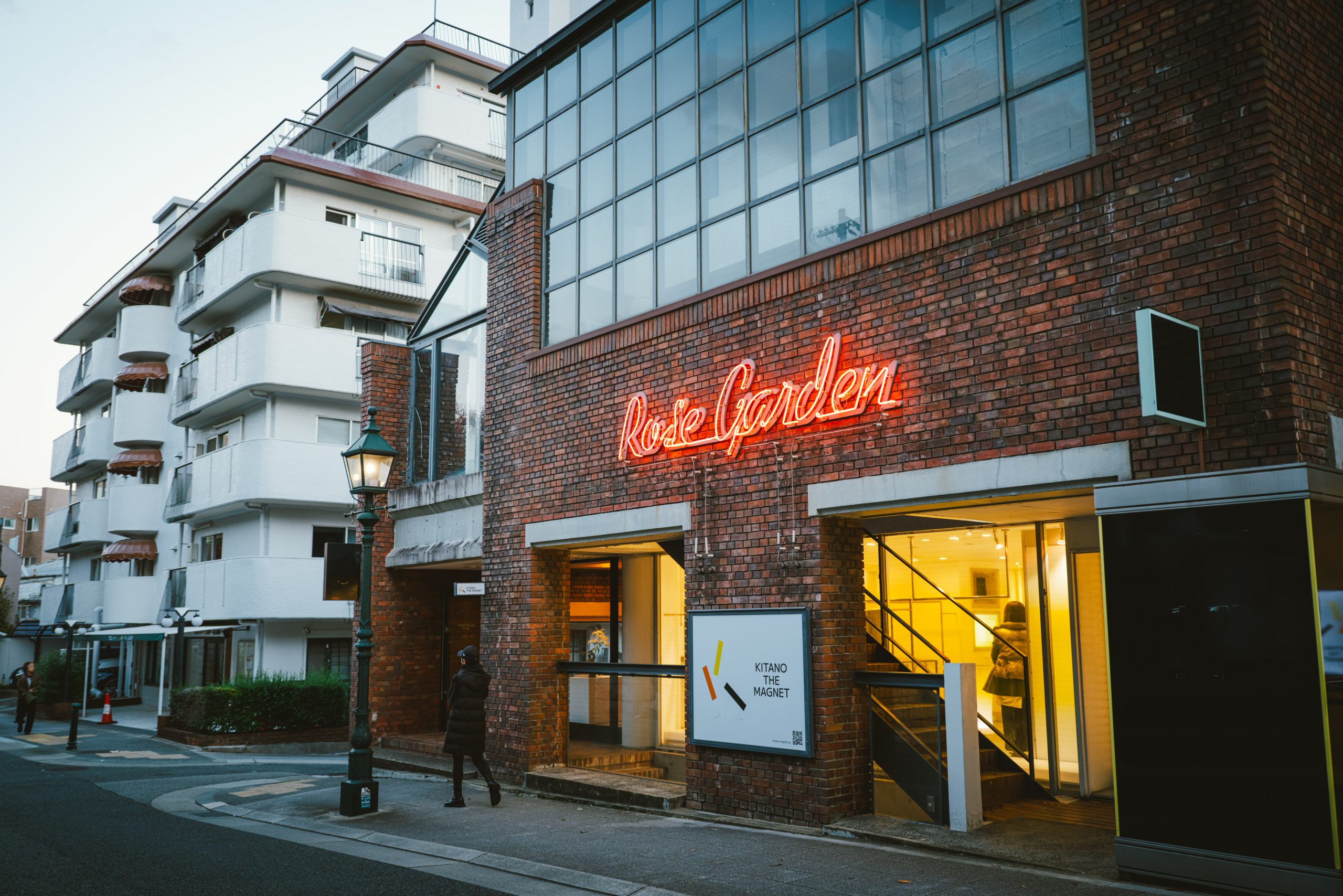
⑤Rose Garden
An early work by Tadao Ando, completed in 1977. The art program AiRK Research Project, curated by Moriyama, was held at Rose Garden three times by 2025. Starting in 2023, the project KITANO THE MAGNET has been conducted across two Ando-designed locations—Kitano Alley and Rose Garden, both completed in 1977—aiming to revitalize the local area.
You are also involved in the platform PEAK, which shares information about art in Kobe. In the city, it’s your role behind the scenes that seems to stand out most.- Artists participating in projects such as the AiRK Research Project and the KOBE Re:Public Art Project8 research Kobe, each approaching the city with their own degree of clarity. As I absorbed that information, my own understanding of Kobe became increasingly refined. Connecting back to what I mentioned earlier, when considering where Kobe’s potential lies and what makes it appealing, I realized that different areas of the city have completely distinct modes of activity, each operating in its own fascinating way. At one point, I wondered whether it might be better to unify these approaches. But now, I think it’s more important to value each area’s unique, free-spirited character rather than rigidly standardizing everything. I believe this reflects the potential inherent in Kobe as a relatively young city celebrating over 150 years since the opening of its port. It also aligns with the city’s stance, shaped by experiences such as floods, wars, and earthquakes, which have led to its history of continual cycles of scrap-and-build.
I had always had this image that Kobe was a city defined by a high sense of fluidity, and since I’m someone who enjoys encountering people and things through movement, I feel that this characteristic of Kobe aligns well with my own personality. At the same time, I also have a firsthand appreciation of the city’s current reality, where when it comes to putting things into action, we need to bring in human resources from outside. One day I hope to be on the side of creating work in Kobe, but for now I’m working behind the scenes.
What to dance for, and thoughts as a performer
- Speaking of creating works, in September 2024 you presented Sanbutarou Festival at the Forest Festival of the Arts Okayama; in January 2025 you presented the video work Barge at the Hyogo Prefectural Museum of Art, with Tetsuya Umeda; and in August the same year, you presented KYUKAKUUSHIO Uniting Wonderful Coincidences at the Setouchi Triennale, which you created through a residency at Ogijima Island in Kagawa. You’ve continued to create work that resonates deeply with the land.
- Yes, that’s right. Umeda’s field research is extremely meticulous, with a refined way of excavating information, and yet, he creates works with a tender perspective that stays close to the places he engages with. Although outputs are completely different, I personally feel that there is something that overlaps between us, and he influences me a great deal. At the Forest Festival, we produced a “festival” that brought together the local performing arts and folklore we encountered through our research of Nagi town. At the Setouchi Triennale, we created a performance that carried forward local traditions, particularly in terms of the structure and temporal axis of a large-scale festival held biennially on Ogijima Island.
One of my core interests as a performing artist is to consider to what or whom we direct our dance. When I performed in Unfulfilled Ghost and Monster – ZAHA/TSURUGA, which adopts the structure of Fukushiki Mugen-Noh [dream-noh, in two acts], the writer and director Toshiki Okada suggested that dance might not be directed towards the audience, but towards a being that exists beyond them—an idea that also resonates with the origins of Japanese performing art—and I also wonder whether that might be right. I believe for the audience as well, there’s a particular sensation that unfolds when the expression is not directly addressed to them. At the same time, there are festivals that are danced and sung by local community, for the local community. In that sense, I also strongly feel that dance is something that should remain open to all the people who live on the land where it takes place.
- As a performer, is there anything you’ve been thinking about?
- I really… really feel it’s time for me to focus on creating a solo work. There’s nothing set in stone yet, but I am gradually preparing for it, little by little.
- Your performance with the musician Marihiko Hara in December 2025 seems like the first step.
- I’ve worked with him on various projects before, but this time we’re exploring together the relationship between speech, song, and the body.
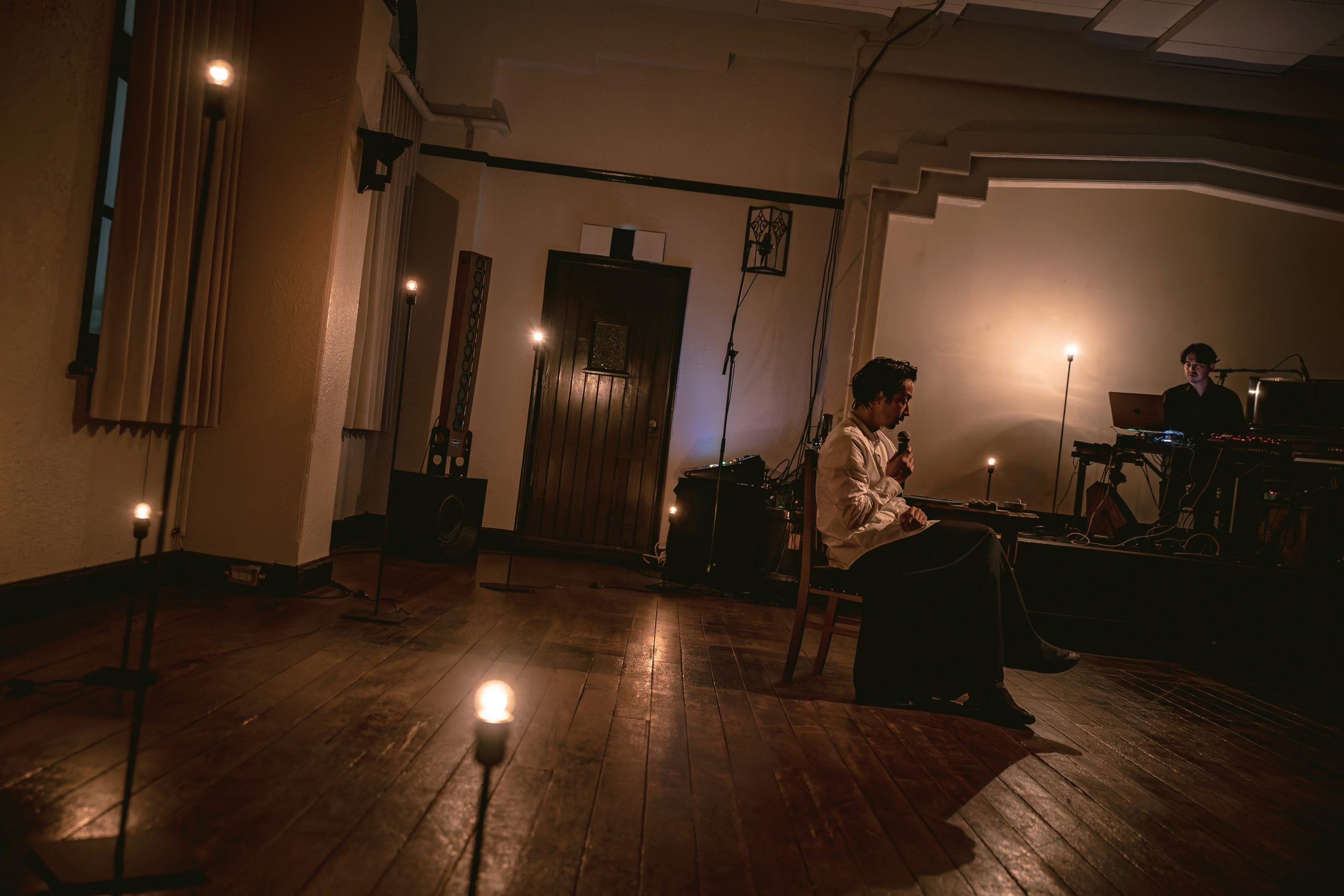
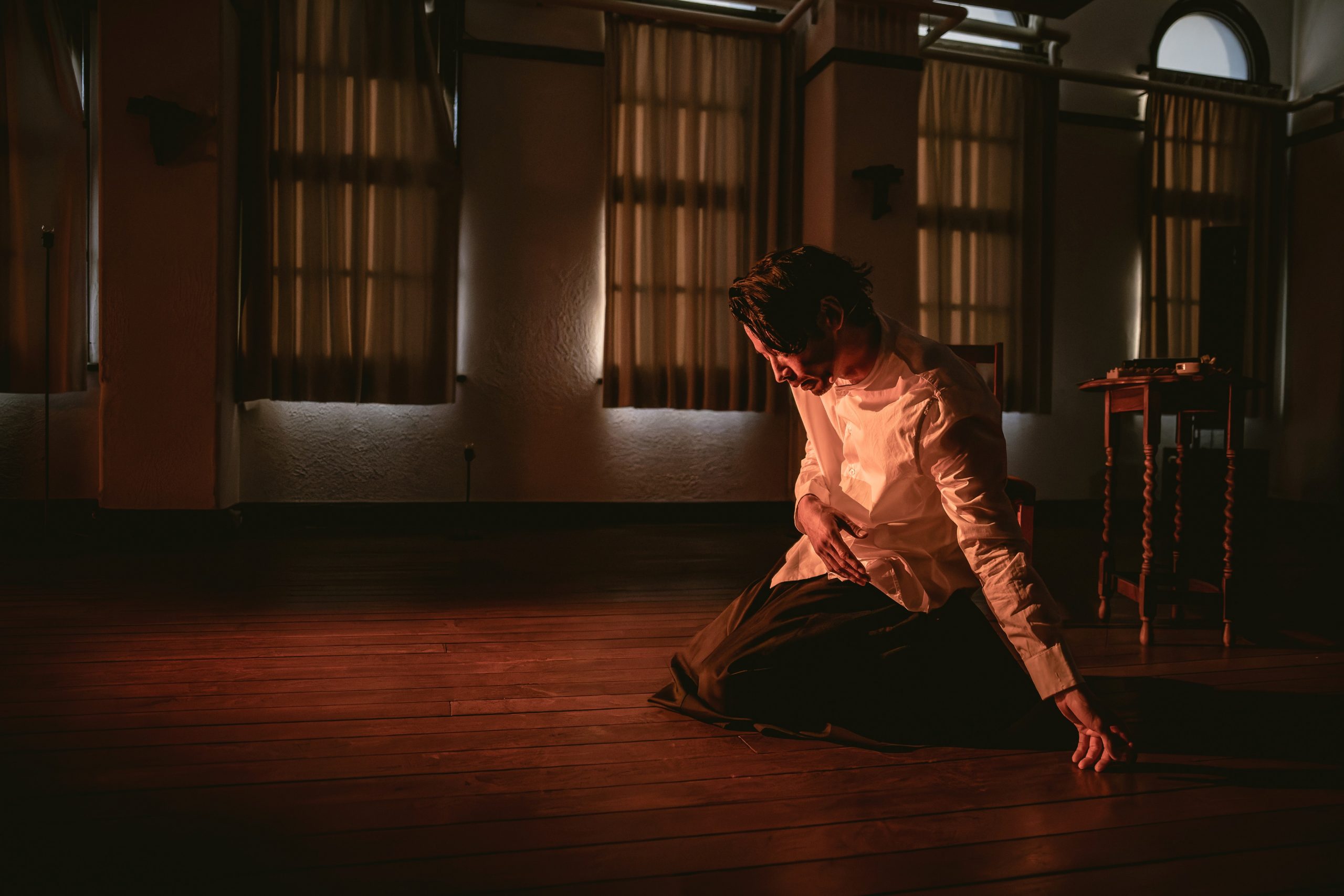
Mirai Moriyama x Marihiko Hara Live in Progress (performed December 2025). Marihiko Hara is on the left.
Photo: Yoshikazu Inoue
【Performance Information】
-
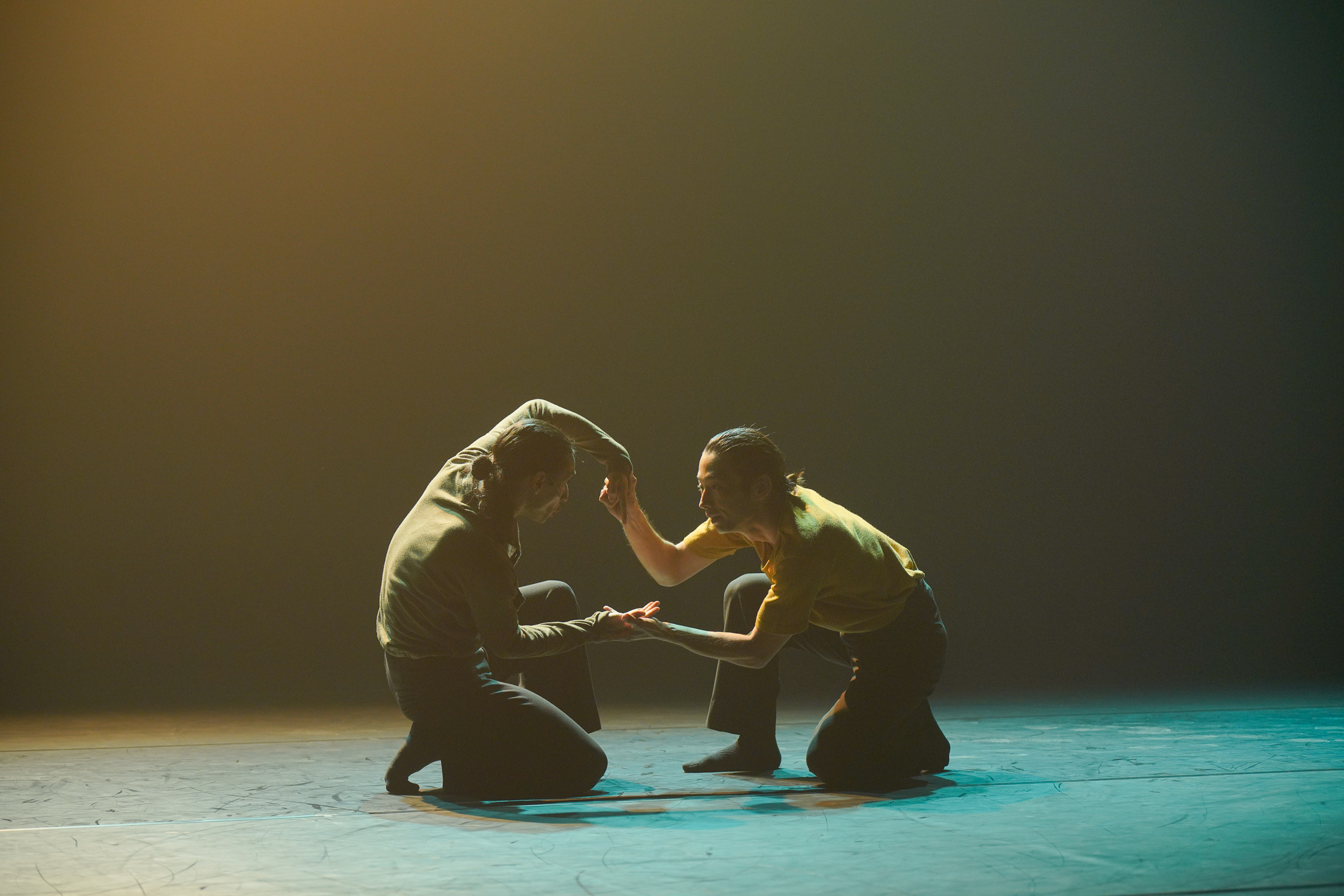
STILL LIFE Choreographed and directed by: Alan Lucien Øyen
Cast: Mirai Moriyama, Daniel Proietto, and others
Kanagawa: June 13–14, 2026, Yokohama Red Brick Warehouse No. 1, 3F Hall
Hyogo: June 20–21, 2026, Kobe Cultural Hall, Medium Hall
Shizuoka: June 26, 2026, GRANSHIP, Medium Hall Earth
Inquiries: Kobe Cultural Hall Playguide, Tel: 078-351-3349
-
Kobe
Encircled by sea and mountains, the city of Kobe is located in the southeast of Hyogo Prefecture. As of November 2025, Kobe has a population of approximately 1.5 million people. The city’s port has long been a gathering point for people and goods from both Japan and overseas, establishing a sophisticated culture that has incorporated influences from around the world. Good access to Osaka and Tokyo mean that Kobe remains popular with international visitors and migrants today. Logistics and heavy industry—such as steel manufacture—are very active in Kobe, but spots like Mount Rokko and Suma Beach mean that the city is also known for its abundant natural beauty. Historically speaking, even before the 1995 Great Hanshin-Awaji Earthquake, Kobe had experienced regular natural disasters—rebuilding itself time and again after floods, landslides, war damage, and the like. In terms of culture, there have been many artists with ties to Kobe right up to the present day, with notable examples from the past including figures such as the author Junichiro Tanizaki and the painter Tadanori Yokoo.
-
The Great Hanshin-Awaji Earthquake
On January 17, 1995, the Kobe area was hit directly by a powerful earthquake. The natural disaster in this major city in western Japan resulted in the loss of approximately 6,400 lives as buildings collapsed and fires spread. Transportation networks and other essential infrastructure were also severely damaged. This catastrophic event would lead to significant transformation in disaster countermeasures within Japan.
-
The Inbal Pinto & Avshalom Pollak Dance Company
The Inbal Pinto & Avshalom Pollak Dance Company was formed in 1992 by two Israelis: Inpal Pinto (choreography, costume design, and direction) and Avshalom Pollak (direction). The dance company was known for its unique approach to physical expression, featuring abundant allegory and theatricality. The pair parted ways, professionally, in 2018.
-
The Opening Ceremony of the Tokyo 2020 Olympic Games
Upheaval during the preparations, including a series of controversies causing several of the creators responsible for direction to withdraw, led to significant changes to the planned content of the ceremony. In the context of this turmoil, the stillness and cohesive force of Moriyama’s solo dance performance left a striking impression, evoking a sense of mourning and prayer.
-
Domestic Dance Study Program
This is a program organized by DANCE BOX, which sees dancers and choreographers from around Japan come together to immerse themselves in dance over a prolonged period.
-
Kobe Rokko Meets Art
A contemporary art festival held annually on Mount Rokko, in Hyogo Prefecture, since 2010.
-
AiRK Research Project
AiRK’s artist residency exhibition program, which aims to rediscover the appeal of Kobe’s Kitano district through the perspective of participating artists. Moriyama serves as curator.
-
KOBE Re:Public Art Project
An art project held in 2022 and 2023, with Moriyama serving as the main curator. Artists conducted research at various locations throughout Kobe, and presented the resulting works in their own distinct artistic forms.
-
協力:Artist in Residence KOBE(AiRK) ⓒ Junpei Iwamoto
Related Tags