

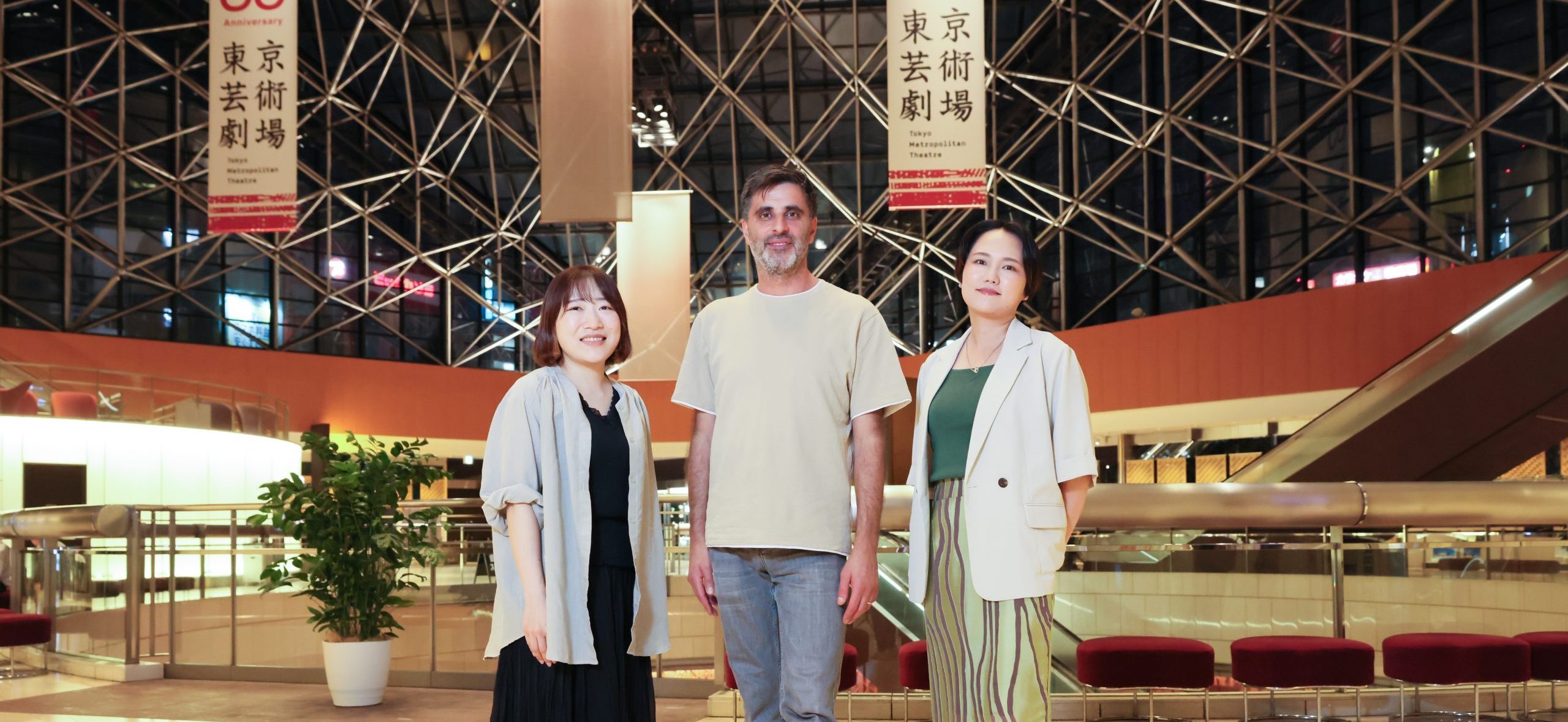
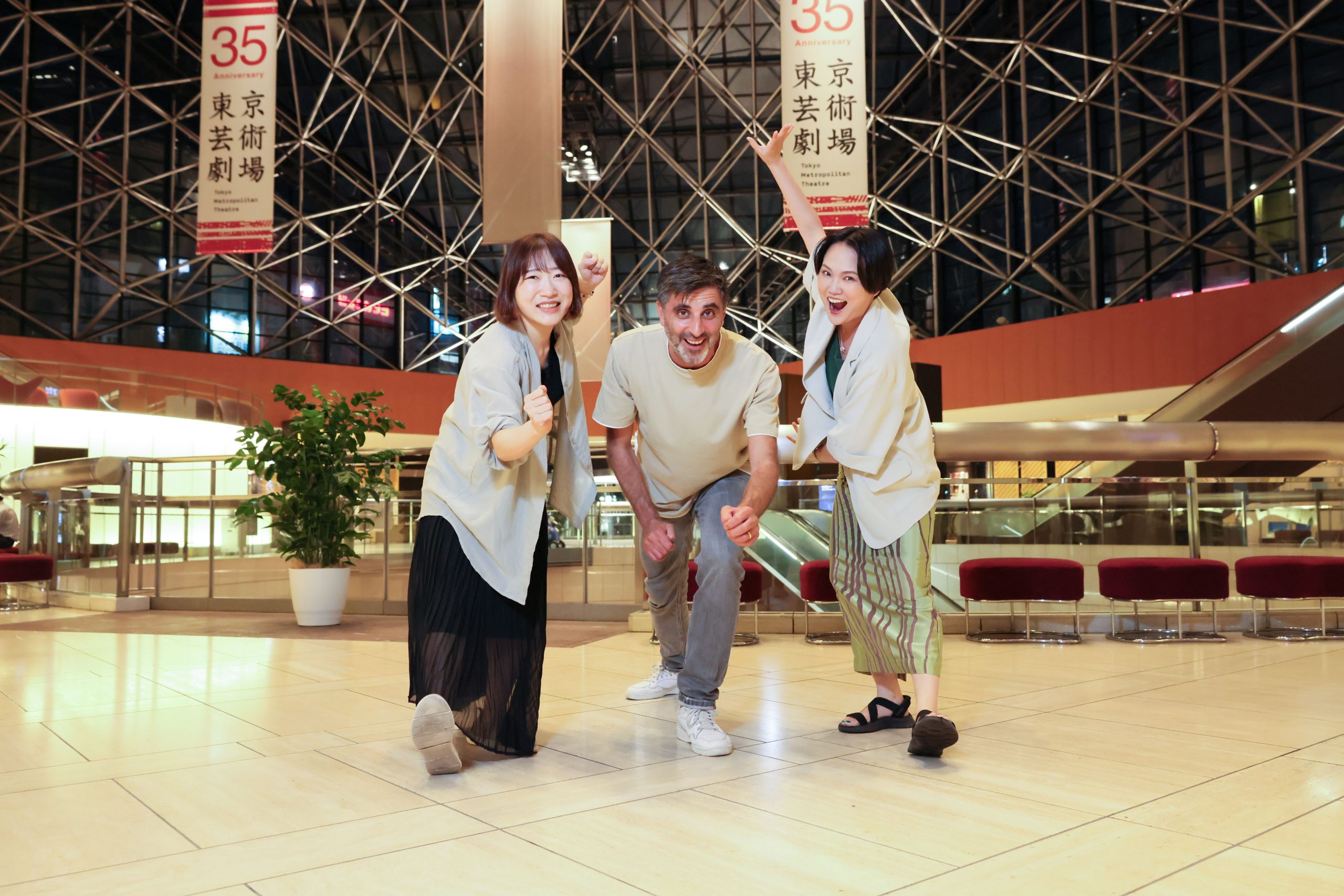
Indi Chan / Bassam Ghazi / Aya Takaha
The Performing Arts and Building a Multicultural Society: What Theaters Can Do Today
Photo: Maiko Miyagawa
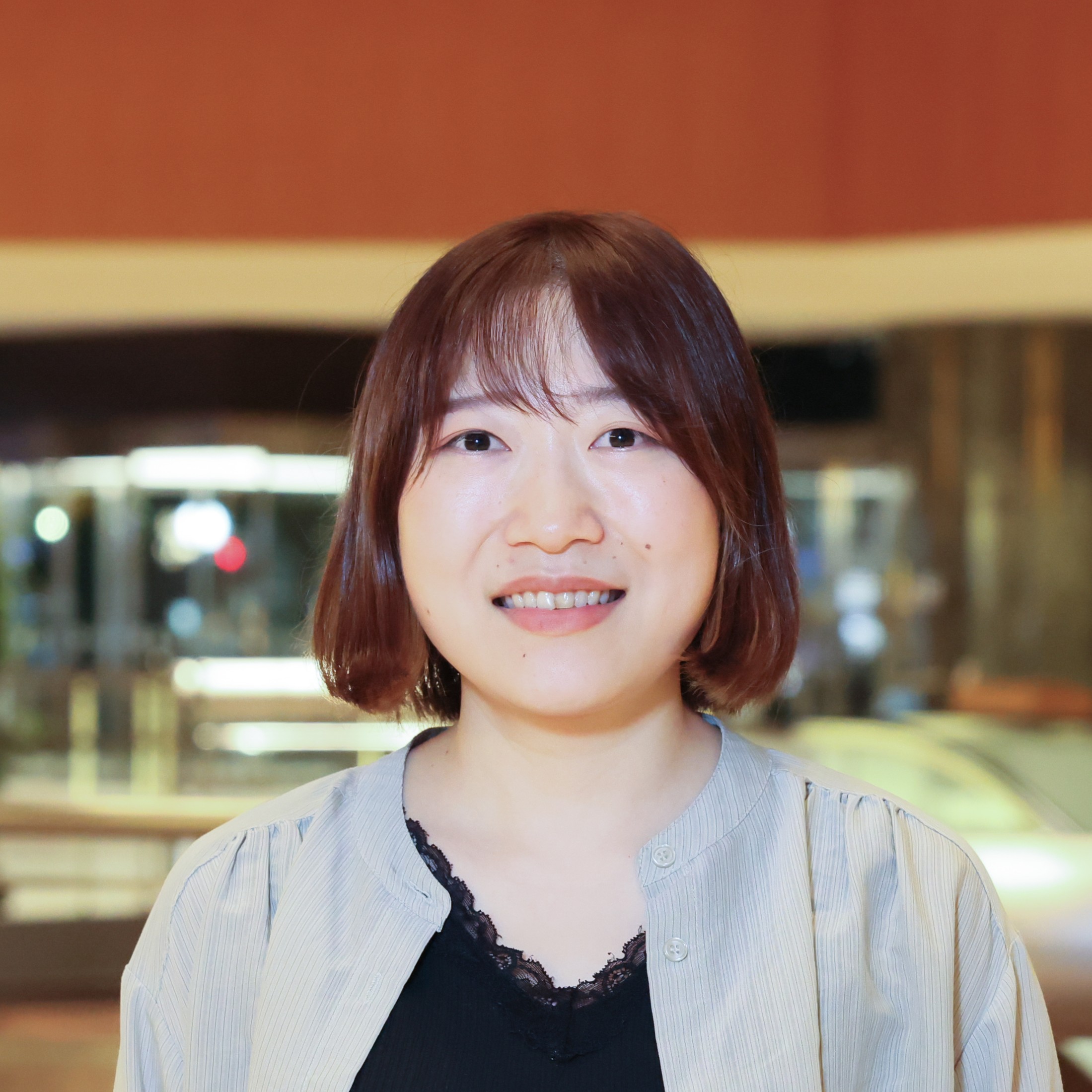
Photo: Maiko Miyagawa
Indi Chan
Born in Hong Kong, Indi Chan graduated from the University of Hong Kong’s Faculty of Arts. During a period of study overseas, she was captivated by contemporary theater in Japan, and decided to become a director. She joined the Bungakuza Theatre Institute in 2017, and was promoted into the Production Department in 2022. Since joining this group, Chan has served as assistant director to figures including Katsuya Kobayashi, Nobuhiro Nishikawa, Matsumoto Yuko, and Kanade Tokoro. Having studied a range of languages in addition to Japanese, such as Cantonese (her mother tongue), English, and Chinese (Mandarin), Chan is active in international theater exchange—she has been involved as an executive committee member for the Japan Directors’ Association International Theater Exchange Seminar, an interpreter for (Hong Kong-based) Chung Ying Theatre Company’s Japan Exchange Workshop, and coordinator for Alice Theatre Laboratory’s Japan tour. In 2024, she directed Chiaki Reading Performance, as well as Strawberry Silence and The Last Supper for the theater company Tsukinami Usagi. Chan made her Bungakuza directorial debut with Wild Boar, as part of the Atelier no Kai showcase in September 2025.


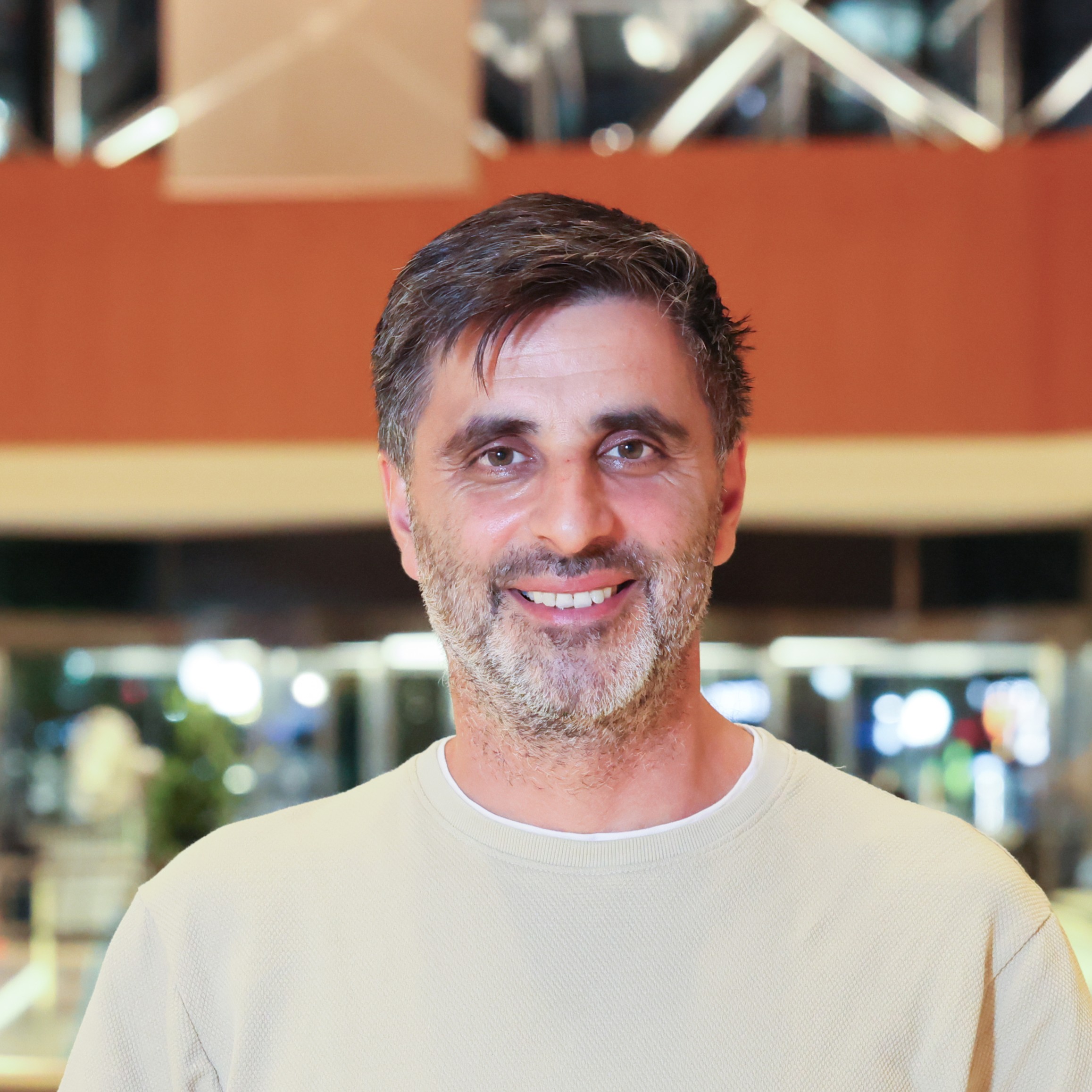
Photo: Maiko Miyagawa
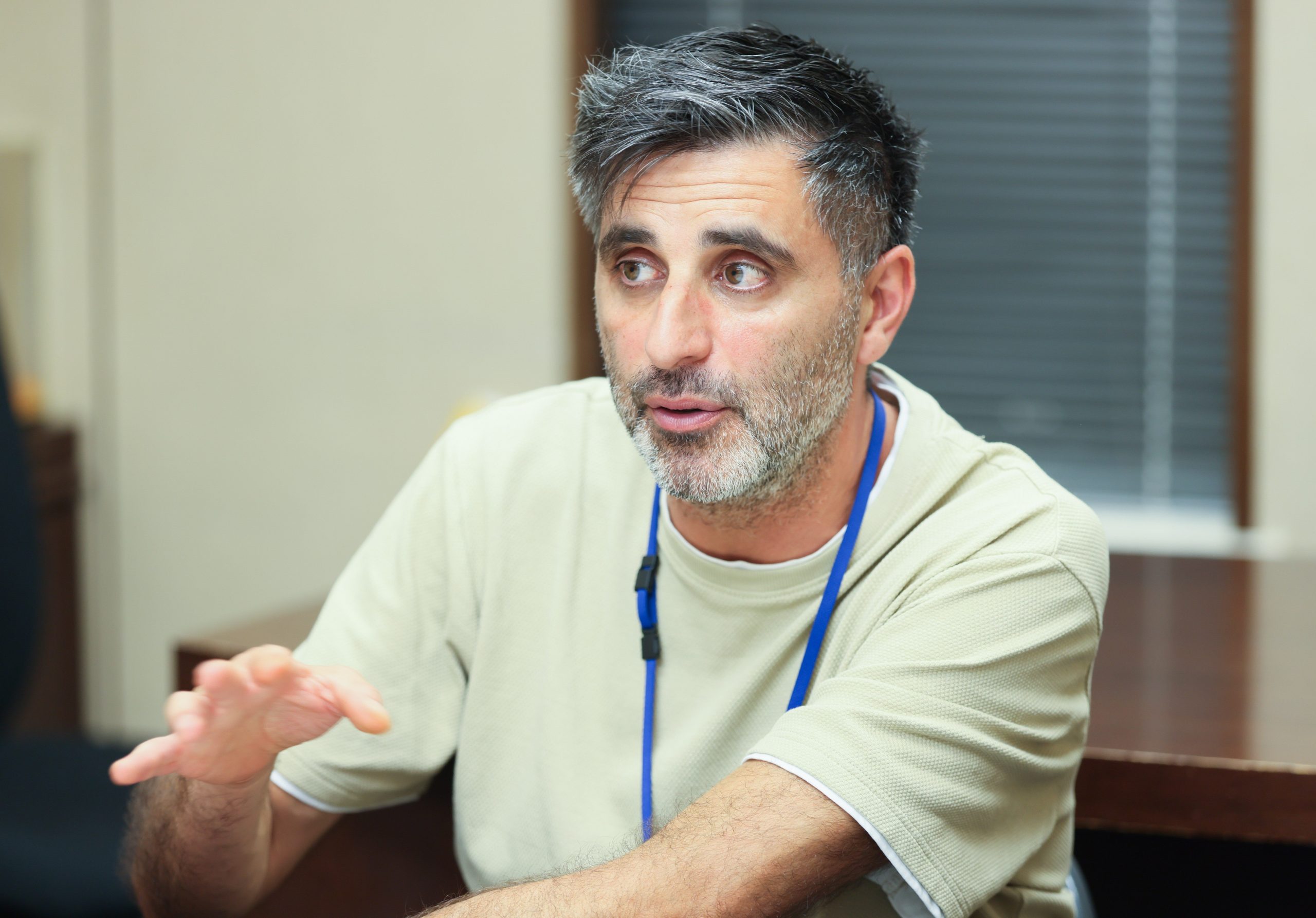
Bassam Ghazi
Born in Lebanon, Bassam Ghazi studies education and theater pedagogy in Heidelberg, Berlin and Cologne. From 2015 to 2021, he served as Artistic Director of Import Export Kollektiv, a community-based theater company launched at Schauspiel Köln with a focus on second- and third-generation immigrants. From 2021 to 2024, he led another community-based theater company: Stad:Kollektiv, at Düsseldorfer Schauspielhaus. Ghazi has held the positions of Stage Director and City Dramaturg at Schauspiel Köln since 2024. He received the German Theater Prize DER FAUST in 2024 for direction of the Solingen 1993, a bus tour taking participants to the sites of real-life anti-immigrant attacks. He also works as a diversity trainer, conducting training sessions on themes surrounding diversity, discrimination, and empowerment for educational and cultural institutions.
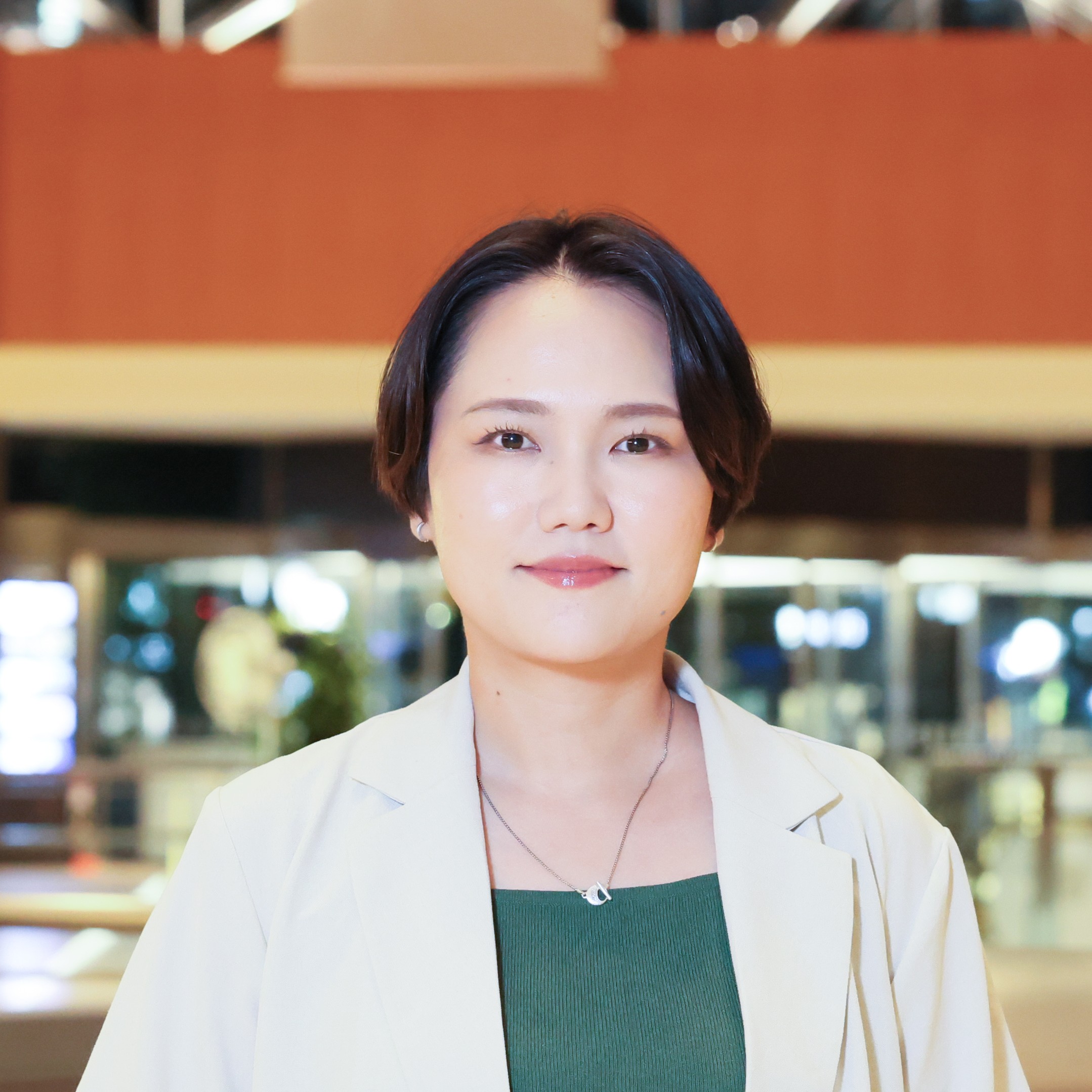
Photo: Maiko Miyagawa
Aya Takaha
Aya Takaha is the founder, playwright, and director of Takaha Gekidan. A graduate of Waseda University, she was active in the student theater company Teatro 50’ before establishing her own theater unit, Takaha Gekidan, in 2004, which she leads as playwright and director. Since its formation, the unit has earned critical acclaim for its meticulously crafted narratives and vibrantly relatable yet somehow lyrical linguistic sensibility. Takaha continues to work with her own unit’s productions while writing and directing works produced outside the group. She has delved into drama and animation scripts in recent years, and WOWOW’s 2024 serial drama Tokyo Poverty Girls—for which Takaha worked as screenwriter—was awarded the Grand Prix in the drama category at the Japan Satellite Broadcasting Association’s 14th Original Program Awards. Her work is known for having a trajectory that sprinkles in comedic elements while ending on an almost detached note.

Discrimination and hate speech against racial and ethnic minorities, including immigrants and refugees, continue to rise worldwide. In this divided era, can performing arts staged at public institutions—aimed at offering rich cultural experiences accessible to all—serve as an effective means to promote diversity?
Tokyo Metropolitan Theatre has been focusing on multicultural theater programs that provide opportunities to share space and build connections with foreigners and people with overseas roots residing in Tokyo.* One example is “From the scene of theater creation with Immigrants in Germany – Theater workshop development for a multicultural society,” a workshop that aims to develop theater workshops for people from multicultural and multilingual backgrounds and provide facilitator training. Lecturer Bassam Ghazi and participants from the 2023 edition—Aya Takaha, playwright, director, and leader of Takaha Gekidan, and Indi Chan, director and member of the Bungakuza Production Department—were reunited for the first time in two years. In this interview, they share their takeaways from the workshop and their experiences implementing what they learned.
Interview: Natsume Date
Text: Wataru Naganuma
English Translation: Hibiki Mizuno, Ben Cagan (Art Translators Collective)
*The Tokyo Metropolitan Government and the Tokyo Metropolitan Foundation for History and Culture launched Creative Well-being Tokyo to continue the cultural legacy of the 2021 Tokyo Olympics and Paralympics. The initiative encompasses a range of programs at metropolitan cultural facilities and beyond, aiming to create an environment where anyone can access the arts and culture, regardless of (dis)ability, age, language or cultural background. As part of this effort, Tokyo Metropolitan Theater oversees the development of “theater for a multicultural society” in partnership with Arts Council Tokyo.
What does a multicultural society look like for theater professionals in Japan?
- ―For starters, what led you, Aya and Indi, to participate in “From the scene of theater creation with Immigrants in Germany – Theater workshop development for a multicultural society”?
- Aya Takaha: One of my goals is to present my work abroad in the future, so I wanted to see how theater makers outside Japan create their performances. I decided to join the workshop primarily because it felt like a rare opportunity to meet international directors, rather than a particular interest in the theme of working toward a multicultural society. That being said, I have been grappling with this topic for a long time.
Over the past few years at Takaha Gekidan, we have provided accessibility support for audience members with disabilities across all our productions. For example, people who are deaf or hard of hearing use sign language, which is a language entirely distinct from Japanese and has its own cultural context. I’m interested in building toward a multicultural society in a broad sense; I want to honor the range of cultures that emerge from different physical experiences and characteristics, including disabilities.
Indi Chan: A former colleague of mine at the Bungakuza Theatre Institute told me about this workshop. Coming from Hong Kong, I’ve faced discrimination and prejudice here in Japan, but because I speak Japanese, I’m able to stand my ground when necessary. However, some of my friends from abroad struggle more with the language, and even though they manage to get by, I felt like I could learn how to help them truly enjoy their life here. That’s why I joined the workshop.
- ―What was your experience like in the workshop?
- Takaha: I was surprised to learn that there are so many ways to communicate with people from different cultures. The methods we learned are really just like games, so it felt like we were just playing around. For example, we spread out a big world map on the floor, and moved around to different places, including our home countries and dream destinations. Even though we were just having fun, we ended up learning more about one another. After a few days, the process turned into a performance. We weren’t trying to make a theater piece, but we naturally grew close as we played these games, and it was fascinating to see how that process organically grew into a performance.
-
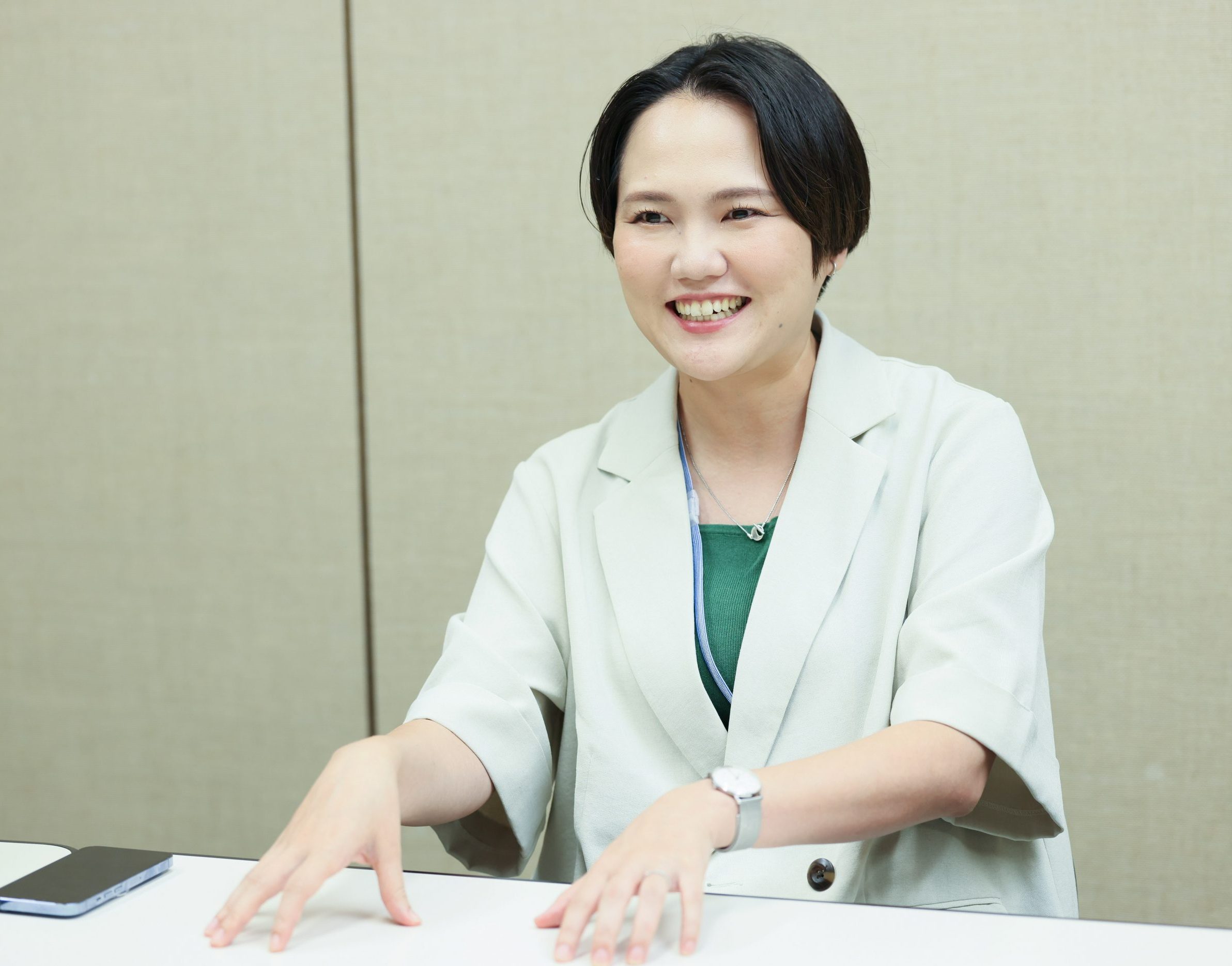
Aya Takaha
- ―You all not only got to know each other, but actually got along.
- Takaha: That’s right. I learned that getting to know someone is really similar to liking them, or if you get to know them, you’ll end up liking them. In fact, it’s rare to end up disliking someone when you take the time to get to know them. I think that most often the dislike stems from not knowing them.
Bassam Ghazi: I believe that the simple fact of being together, even for a two-hour workshop, can lead to something special. We can use that power to try to share something with one another. What’s important in making that happen is building the right kind of atmosphere.
Chan: Speaking of which, from the start, Bassam did create a really warm atmosphere. For example, we had a rule that you didn’t have to share anything you didn’t want to, that you could make up a lie. This allowed us to actually say what we wanted, which led to a piece before we even realized. Another thing was that, even though I tend to make myself smaller in the inevitable group dynamics that arise, I was able to have fun sharing ideas with everyone, regardless of whether they had more experience than me. I was really moved by this environment where everyone was equal, something I had never experienced before.
-
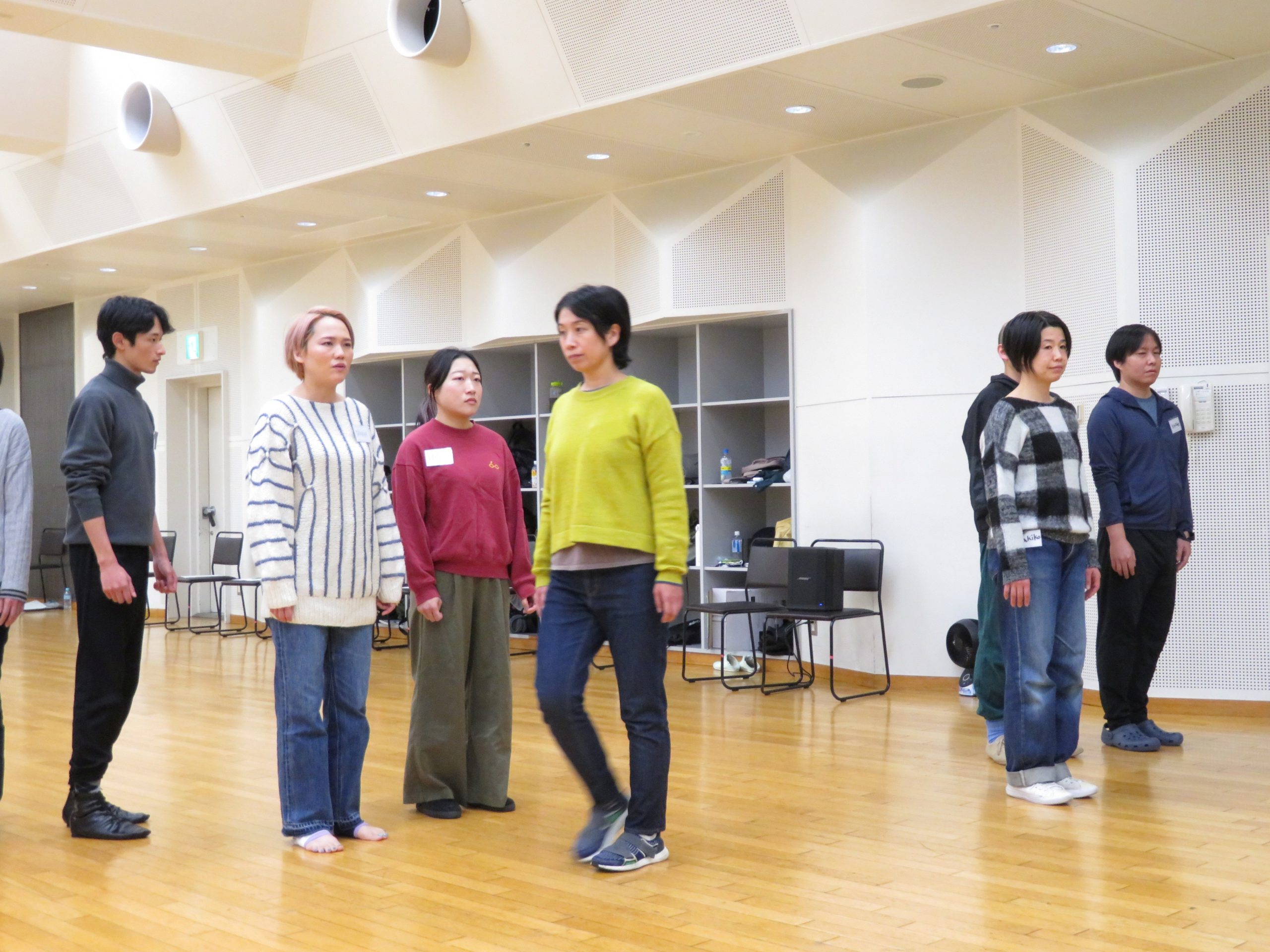
Takaha (second from the left) and Chan (third from the left) at the 2023 workshop. Photo: Tokyo Metropolitan Theatre
The discoveries that come from a “just dive in” approach
- ―The workshop wasn’t just one-sided; it was a comprehensive program that involved putting what had been learned into practice to lead real workshops for people from varied backgrounds. There must have been quite a few hurdles on the way, but what was it like to be facilitators yourselves?
- Takaha: To tell you the truth, it was such a whirlwind that I’m not sure I was really able to process everything [laughs]. All I remember is holding on for dear life through it all, but I’m happy we were able to pull it off. I don’t think it would have been better if we’d had more time—in fact, the one-week constraint is probably what forced us to stay focused.
- ―You really felt the importance of just diving in. Did you notice any changes?
- Takaha: I feel like I overcame my fear of not being able to get my point across. I’m very much driven by language, and it may be blowing my own trumpet to say so, but I’m fairly articulate [laughs]. Because of that, I feel disarmed when I’m trying to communicate with someone who doesn’t speak my language; quite frankly, it’s terrifying. But we were too busy to be focused on things like that anyway, and even without my usual weapon of language, nobody was attacking me or trying to do me harm. That became very clear. Maybe that’s what it feels like for people who go abroad to work on their English.
Ghazi: There isn’t any time to hold back, and that’s a crucial part of it. The important thing is to just give it a go, to take action.
Takaha: Many of the participants already work as workshop facilitators, so we tried asking about things like the objectives, significance, or effect of various exercises, but Bassam would dodge those kinds of questions [laugh]. He deliberately kept quiet about those central ideas.
Ghazi: That’s because that kind of question doesn’t have a “right answer.”
Takaha: You need to get going before you get in your head too much. Then, something will click, you’ll understand something yourself, or you’ll see the participants having a great time, and you’ll realize, “Ah, so this works!” That happened again and again.
Chan: I learned so much from the other participants, too. And seeing the workshop attendees just enjoying themselves showed me what these kinds of exchange programs are all about.
Ghazi: There was a quite elderly attendee who didn’t understand any Japanese at all, right?
Takaha: But that older gentleman really got into it, and probably had more fun than anyone else [laughs]!
Ghazi: Even if words aren’t doing the trick, we can communicate with our bodies, by mimicking or demonstrating things, for example. That’s a strength that those of us in theater share.
-
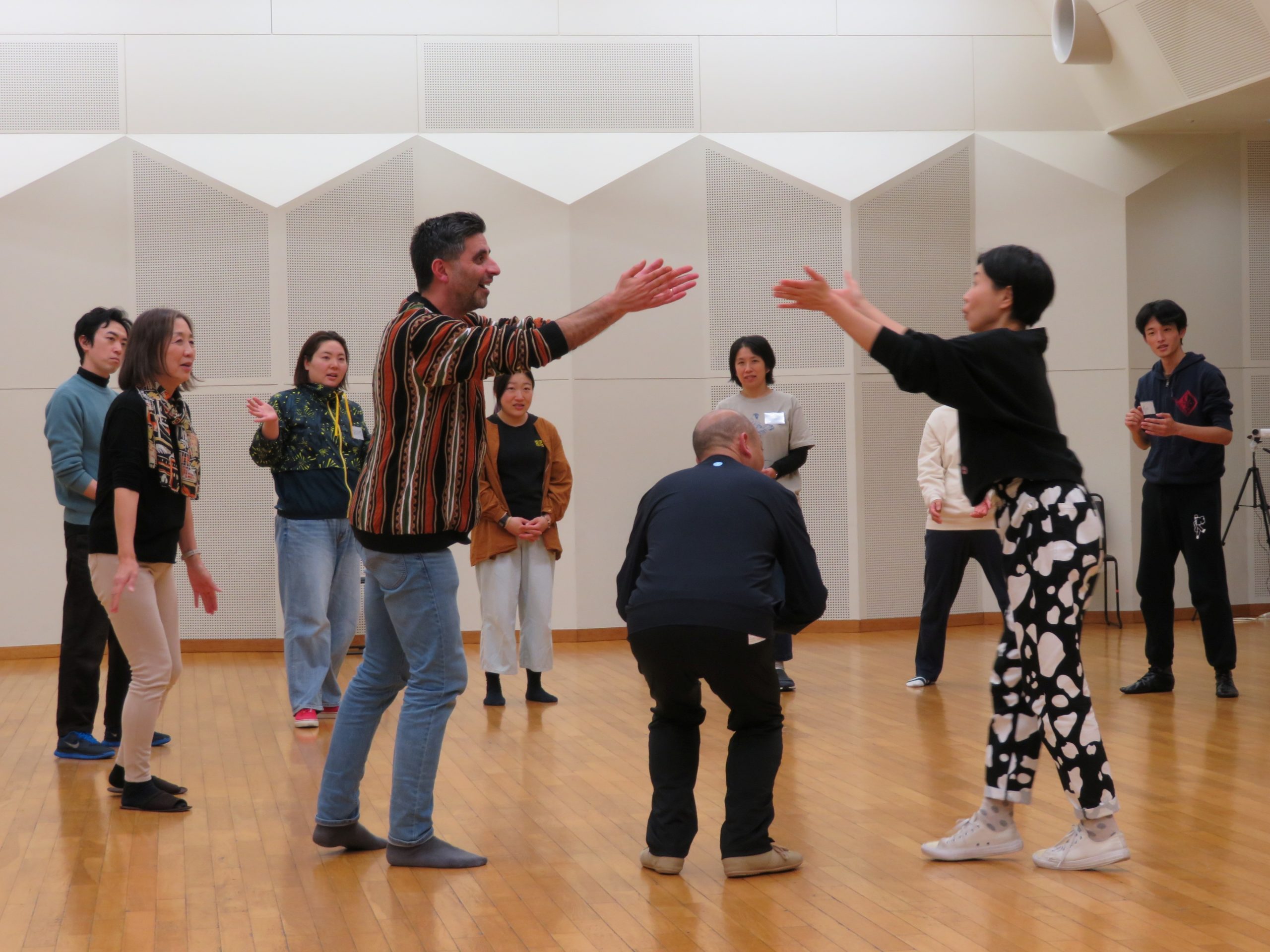
From the 2023 workshop. Photo: Tokyo Metropolitan Theatre
Theater isn’t just for theater people
- ―Has participating in this course had any impact on your own creative practices?
- Takaha: I felt a tangible sense of becoming more aware of people that I hadn’t been aware of before. Even though they exist, people we don’t interact with in our everyday lives remain more or less invisible. It might just be in a small way, but I’ve started becoming more conscious of these people. I haven’t been able to clearly incorporate this into my works yet, but whether the characters I already have are sufficient to represent today’s society—that’s something I think about now when writing plays in contemporary colloquial Japanese.
Chan: I’ve been trying to put together a workshop for foreign residents in Japan, and I’m doing my best to make it happen with the Bungakuza Theatre Company.
-
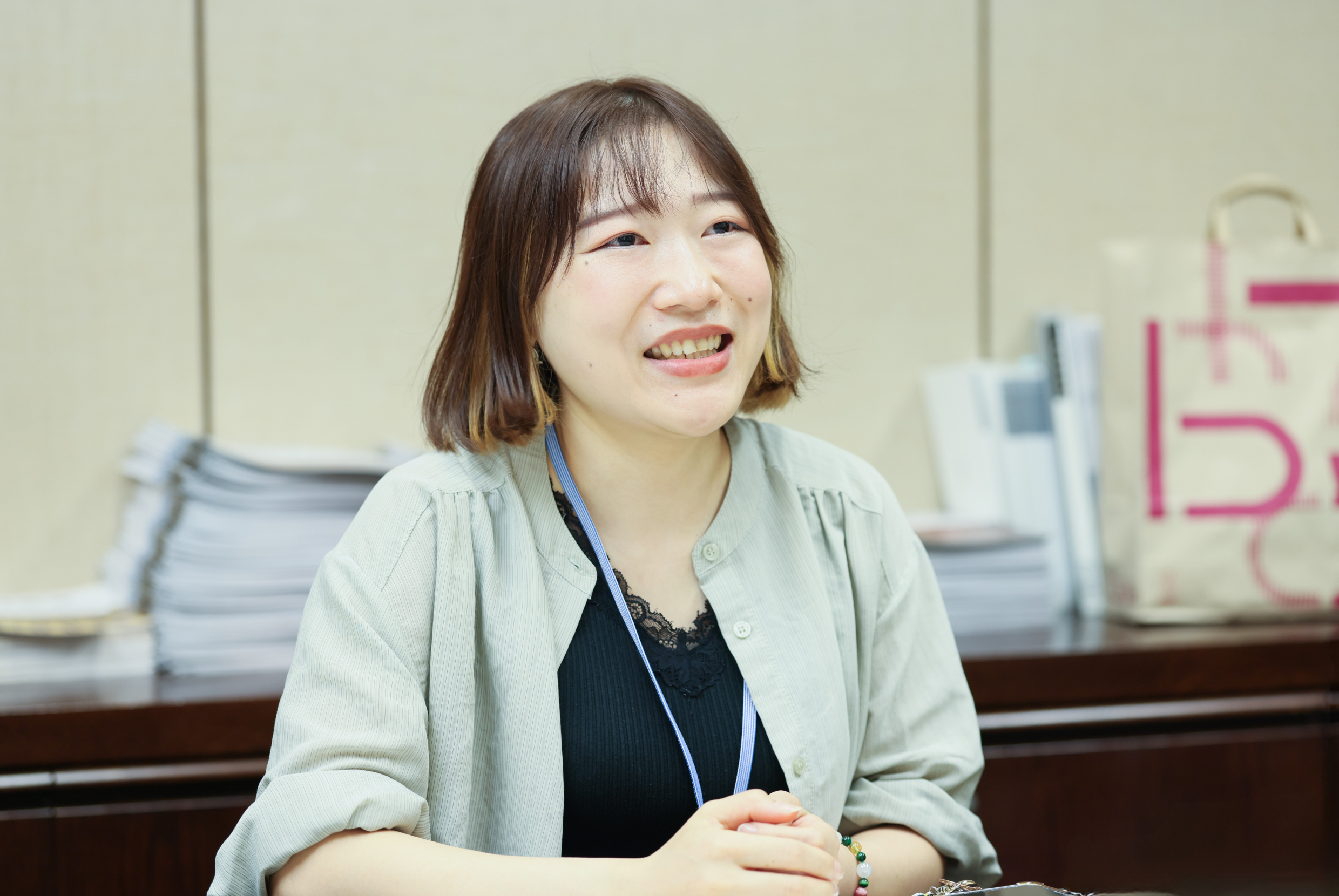
Indi Chan
- ―What do you plan to do in the workshop?
- Chan: We would take a manga and adapt it for the stage, and have children of foreign residents and Japanese children play the child characters in the form of a workshop. I think interacting through theater will help everyone realize that foreigners are people just like them, and educate participants about one another’s different cultures. There’s also another big project in the works at the company, which we haven’t been able to realize just yet…
Takaha: Trying to get that kind of project going with Bungakuza, which might be considered a conservative theater company—I imagine that’s difficult but meaningful.
Chan: As a first step, for Bungakuza’s recent production, Wild Boar, we were able to collaborate with the Japan Hongkongers Association to put on a workshop with people from Japan using a Cantonese script. When I saw how even people with no previous experience enjoyed lectures and workshops based around scripts, I realized that theater isn’t just for theater people.
Ghazi: Figuring out how to approach the people we want to reach with our workshops—foreigners living in Japan, for example—is important. Even if you put together a fantastic program, you still have to come up with some way of delivering that information to the people who are interested.
- ―Bassam, have you struck on any answers to that problem yourself?
- Ghazi: It’s not something you can do by yourself. My view is that we need to engage with partners in fields like social welfare and education, rather than everyone being in the cultural and artistic sector. And, we have to bear in mind the need to collaborate with those kinds of organizations as equals. It’s quite common in Germany for a large public theater to approach a smaller local organization that supports foreigners, and take a lot of their time and labor without offering anything in return.
- ―Even if it’s not the theater’s intention, it does seem possible that the groups participating in these collaborations might feel exploited.
- Ghazi: To avoid that, the theaters should pay the organizations involved a certain fee. At the venues I work with, we often cast non-professional performers, so I negotiate with the theaters to make sure they’re properly compensated. I’m not talking about large sums, by any means, but we’ve put remuneration systems in place.
-
Bassam Ghazi
What theater can do to resist xenophobia in society
- ―At present, there’s a notable trend both in Japan and overseas of agitating people with xenophobic rhetoric. In this context, what do you think about how to approach things from spaces of multicultural coexistence?
- Takaha: I think, to change the world, both the soft and hard elements need to change together. By “hard,” I’m referring to so-called societal structures, and by “soft,” I mean people’s inner selves. We do of course need to deal with the hard, but we’re better placed to use our work to slowly change people’s consciousnesses. Transformation doesn’t happen overnight, but I believe it’s important that we keep going, trusting that the power of our narratives can bring about change.
Chan: I think the current xenophobic climate is the result of everyone having so much going on in their own lives that there’s no space left for learning about others. But we don’t have the power to implement policy change, like politicians. I think the important thing I can do is figure out how to communicate our stories—foreigners’ stories. I also feel like multicultural programs have always tended to just target foreigners. But I realized that with workshops bringing foreigners and Japanese people together, like the one I did with Bassam, both groups get to know each other better and discover new connections.
Ghazi: Where there’s a diverse range of people, including those of foreign nationality, the only way to access new spaces, new worlds is to interact and communicate with them.
Takaha: I think theaters have an incredibly important role to play in that. I see theaters as mirrors of society, and believe that’s how it should be. That’s not just about having diverse performers on stage—it’s also crucial to build as diverse an audience as possible. I think that connects to an awareness about what kind of theater those in the industry are trying to create. It’s crucial that people understand how theater initiatives play a part in making a welcoming society for all.
Ghazi: Another really key point is ensuring that these relationships with the theaters are passed on to the next generation. I worked with a theater collective in Cologne for a decade, and the people there grew up with the theater over those ten years. They gained experience, and ended up becoming technical staff, actors, theater educators, and directors. Growing up together in this way means the next generation will go to the theater and work in the industry.
Today, we see wars breaking out all over the place, and divisions deepening. First of all, we need to understand that theater can’t save the world all by itself. Nevertheless, I believe in the importance of stories that comfort people and speak to their hearts, and there are certainly a lot of people out there in need of them. We in the theater world might seem small compared to the sweeping movements of those in positions of power, but isn’t it precisely in these smaller efforts that individuals can find comfort?
-
Special thanks to: Tokyo Metropolitan Theatre, Arts Council Tokyo. Photo: Maiko Miyagawa
Interpretation: Makiko Yamaguchi